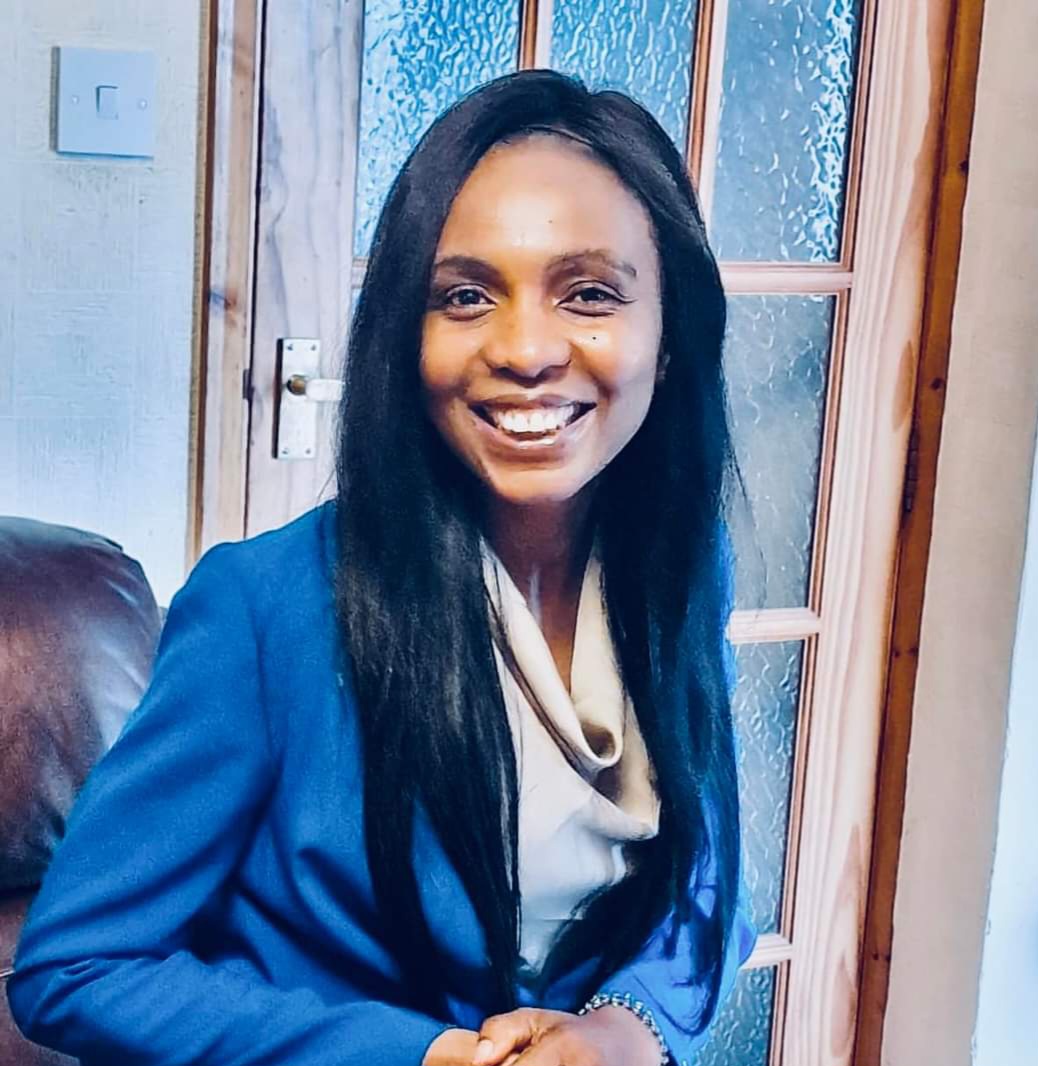
Joy Chinwe Aguguo

Joy Chinwe Aguguo, founder of the Joy Chinwe Foundation and Joy in Health

Joy Chinwe Aguguo, the founder of Joy Chinwe Foundation and Joy in Health is motivated by her personal experience, of leaving her Nigerian homeland to the shores of Europe. She is driven to create awareness, on migration and health, for the minority groups within her newfound home and dedicates her time to uplifting and empowering others, such as herself. She wears many hats, as an author, a motivational speaker, a woman in tech and a health advocate. Her story shows us that traversing foreign terrains is never an easy feat but with the right mindset, you can achieve anything.

This is Joy’s story …

As the eldest daughter, born into an Igbo family in the Eastern parts of Nigeria, I always felt the need to empower myself with the deep-seated desire of supporting my loved ones and this desire was strengthened by the sudden passing of my father during my secondary school years. The devastation and grief that accompanied me with the loss of my father was searingly painful, but this motivated me even more to pursue my education and subsequently increase my employment potentiality. While I intended to study Medicine, unforeseen circumstances lead me to pursue a degree in Marketing. 

During my studies in Marketing, a fated encounter with a Nigerian man, working in Italy, at that time, changed the trajectory of my path. I was initially hesitant in marrying him because this meant I would forsake my dream of attaining my higher education but with the intervention of my grandmother who approached the family stipulating her condition of first wanting me to finish my degree in Nigeria, I happily married my husband, upon the completion of my degree, and excitedly followed him to the shores of Italy.

In 1999, I arrived in Italy with great hopes and expectations, as the perception within my community and in the broader African context, was that Europe is a land of opportunities, especially prior to the growing European migrant crisis. However, this feeling was short-lived as the harsh realities of migration in Europe started to sink in and within the first six months, I was battling with language barriers, cultural adjustments, stereotypical views of African immigrants and the icy cold European weather and was struggling to find employment, going for months without a job. 

It was a stressful period for me as I was desperately seeking work until an opportunity finally arrived when a friend informed us of a company in a neighbouring village that was seeking employees. Filled with anticipation and optimism, I was accompanied by my brother-in-law to pursue this opportunity, only to be met with a devastating (and heartbreaking) blow. The director callously informed us that “no blacks” were welcomed. Overwhelmed with a sense of injustice, I wept bitterly, grappling with the realization that, in their eyes, I was reduced to nothing more than my race and immigration status, despite knowing my worth as a capable human being. 

Despite my despair, the rejection proved to be a catalyst for my growth. More determined and refusing to let adversity get the better of me, I started researching any available offers and seized an opportunity to enrol in a one-year social care programme, which was a totally different field from Marketing. Nonetheless, the different path chosen led me to meaningful experiences.

After completing the social care programme, I secured a position as a social assistant for the elderly in a hospital in Italy. Through this experience, I encountered like-minded individuals who viewed me neither as black or an immigrant, but as a contributing citizen, based on my essence. Although the early stages of my work were marked by instances of racism, discrimination, and disrespect from some colleagues, the unwavering support from my director, managers, and close colleagues prevented these challenges from significantly affecting me. Additionally, I have diligently mastered the Italian language and forged meaningful relationships during my time in Italy, fostering connections with both Italians and individuals of other nationalities. Therefore, what initially appeared to be a bitter experience in my job search ultimately revealed itself as a blessing in disguise.

While carving out a good and sustainable life for myself in Italy, giving birth to three beautiful children and working in hospital, I was consciously aware of the plight of my fellow Africans, crossing perilous waters, in dinghy boats, in search of a better life who now had to battle with issues such as human trafficking and illegal migration on the shores of Europe. Through my observations, I was inspired to write my story, drawing from my own experiences as an African living on European shores to create awareness for my fellow Africans and to debunk the myths of life in Europe. With this, I penned and published my first book entitled The Morning Sunset.  

In addition to my first book, I established the Joy Chinwe Foundation with the aim of raising awareness among the people of Africa about the perils of illegal migration and undertaking hazardous journeys, to Europe. As an organization, we provide support to victims of human trafficking and illegal migration. The aims and objectives of the Joy Chinwe Foundation is to campaign for the provision of support in the development and delivery of programmes, studies, and technical expertise on combating migrant smuggling and trafficking of women, and children in a manner consistent with law, to sensitize young people on the dangers behind travelling to the West, through the desert and the Mediterranean Sea and we offer expert advice, research, and needed financial assistance to the victims of human trafficking. 

After thirteen years in Italy, we left for the United Kingdom in pursuit of better educational opportunities for our children, especially when my eldest daughter entered secondary school. Comparatively, the United Kingdom was so much easier to relocate to as there were no language barriers. It was while working briefly in residential homes, that I got admitted into a Masters programme, subsequently attaining a Masters in Human Resource Management, and eventually specializing and earning the professional distinction of being a Chartered Member of the United Kingdom’s Institute of Personnel and Development (CIPD), currently navigating the ever-evolving landscape of Information Technology and finding myself at the intersection of human ingenuity and technological advancement.  

Although I was chasing the corporate world, in my heart, I was still driven by a fervent commitment to effect change and subsequently, established another non-profit organization called Joy in Health. The purpose of Joy in Health is dedicated to the physical and mental well-being of Black, Asian and Minority ethnic groups and strives to dispel the ignorance associated with the importance of their well-being which inadvertently leads them to neglecting their health.

Through awareness campaigns, educational initiatives, and digital platforms, Joy in Health strives to empower individuals to prioritize their health and lead fulfilling lives by providing insights on managing diseases like high blood pressure, mental health, kidney diseases, and diabetes. We prioritize education by extending our efforts to social media platforms, particularly YouTube and podcasting, where we collaborate with medical professionals to disseminate crucial health information within our communities, such as healthcare awareness and prevention and cure of ill-health related ailments, to foster a culture of proactive self-care. We intend not only to inform but also to bridge the gap in understanding, speaking in ways and languages, that resonates with the diverse communities within the Black, Asian, Minority ethnic population with the goal of a healthier population who have access to their fundamental human right of high-quality healthcare.

Looking back on my journey, leaving my country at the age of 23, to build a life with someone I barely knew, at the time, I can honestly say this; you never know what is waiting for you on the other side of taking risks and all it takes is courage. Some might say I was young and naïve but like a child, any child, they learn and grow by not knowing and that ignorance is their biggest asset because to know is to fear. If I knew I would be facing all the hurdles I subsequently did, I probably would have said no but I took that leap of faith with great hopes and in spite of all the struggles, it has been a journey worth taking because if I didn’t embark on the journey I did, I would never have made the impact I do, in the way I do, which is powered by my personal experience.

In the mosaic of my life, today, I find myself at the crossroads of various roles; a professional in Information Technology, a devoted mother to three children, a supportive wife, and a fervent advocate for health and well-being. Each aspect of my journey adds depth and complexity to my narrative, weaving together a tapestry of experiences and aspirations. As I navigate through life, I am guided by the threads of curiosity, resilience, and a steadfast belief in the profound impact of both words and actions. Together, these elements shape the ever-evolving story of my life.

If you are interested in learning more about Joy or would like to get in contact with her, please reach out via her website, joyinhealthservices.com, check out her YouTube channel, Joy in Health by Joy Chinwe Aguguo, or email her at chinweduru@me.com.
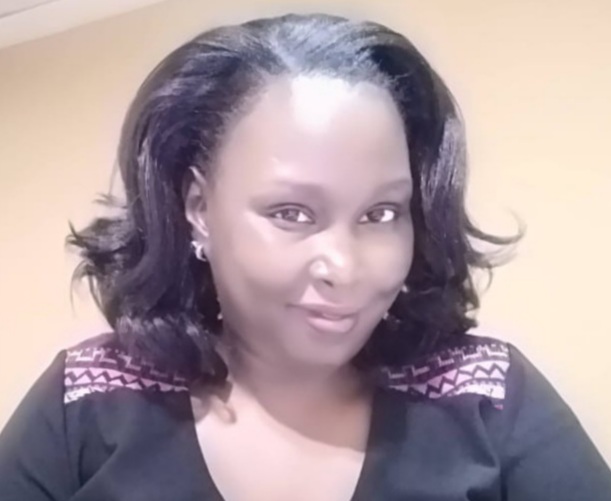

Maureen Bii

Maureen Bii, founder of Kipkogo Ogiek Women and Youth Program and the Huts of Knowledge

Maureen Bii, the founder of Kipkogo Ogiek Women and Youth Empowerment Program and the Huts of Knowledge has dedicated her entire life to the empowerment of the indigenous Ogiek community in Kenya. She is a Peace and Conflict Resolution & Training Practitioner, a community development champion, and a women & youth advocate that is driven by her personal fight for freedom. Her story shows us that we need to appreciate and utilize the rights we have been given because thousands of miles away lived an eight-year-old girl with a far-fetched dream to access her basic human rights.

This is Maureen’s story …

The Ogiek are a marginalized minority and indigenous hunter-gatherer community native to the Mau Forest with a population of 52 000 out of a total of 50 million Kenyans. The history of the Ogiek community, scattered across 6 counties in the Rift Valley region of Kenya is one marred by injustices such as the lack of citizenship rights, displacement, and recurring land disputes but discrimination is prevalent both against the Ogiek community and within the Ogiek community. Patriarchal leadership has been unrelenting towards indigenous Ogiek women and girls, depriving them of access to an education and healthcare and enabling harmful cultural practices such as child marriages and female genital mutilation (FGM).

In 1992, when my mother heard whispers in the neighbourhood, for my hand in marriage, at the tender age of 8, she refused to present me, the fourth of her five children, as a wife to the village elder. My mother, a hardworking woman, with no education and struggling to feed five children when my father left us, planned my escape, to make sure I achieved my dream of attaining my education. She sent me away to live with her sister in another village in Nakuru, the county of my birth, to save me from the clutches of early marriage and FGM.

Initially, I took shelter with my aunt to attend school but because she too, had financial difficulties, I sought out employment to pay for my education and would live and work in the homes of my employers, who were kind enough to allow me to attend school. It was not easy, as the school would frequently send me home due to outstanding fees.

It was a recurring problem since there were also limited access to technology and a subsequent lack of information on scholarships, which meant that it took me years to complete my primary and secondary education. While at school, I never complained about my situation, to anyone, nor did anyone notice but when I became more focused on my academics and participated in school drama activities, the teachers noticed my absence and questioned when I suddenly disappeared into thin air.

One of my teachers enquired after me, thinking I was married off, but she persisted in trying to locate me, to complete school. Finally, after two years, she found me. When she found out the cause of my absence was crippling school fees, she pleaded my case with the principal. With her support and fundraising initiative, I was able to finish my secondary education and settle my outstanding debt.

Six years after completing my secondary education, I finally managed to enrol in a Bachelor of Commerce (Finance) degree at Kabarak University in Nakuru and zealously searched for scholarship opportunities at the Campus Library, for fear of dropping out. I stumbled upon and applied online for a Forum for African Women Educationalists (FAWE) scholarship but received no response from the organization. Out of desperation, I took a four-hour bus trip from Nakuru to Nairobi, the capital of Kenya, to the FAWE’s Head Office, with no idea of where I would sleep that night. When the staff members heard my story, and saw my level of commitment, they sent me back home that same day, with the promise of awarding me a full scholarship and true to their word, they kept their promise for the entirety of my degree course.

It was during my second year of university, in 2008, aged 24, that I returned to the village from which I had to flee, in Nessuit, Nakuru, with the mission of creating awareness on gender equality and education empowerment. I realized the reason most of my people in the Ogiek community suffer is largely due to a lack of information. With the help of a presiding pastor, not native to the Ogiek community, we set out to provide information on scholarship availability.

Fortunately, during my third year of university, I was able to secure a job and sponsored the secondary education of two girls from the Ogiek community with the purpose of emancipating them from the cultural and poverty constraints. I also managed to secure scholarships, from organizations and good Samaritans, for ten more students, both girls and boys and in the subsequent years, a total of 75 students were sponsored. The outcome of my community participation has resulted in three medical doctors, two pilots, teachers, lawyers, marine engineers, and human resource specialists. ICT consultants, with other young men and women obtaining their economics and computer engineering degrees.

Before we could achieve such an outstanding level of success, we endured prejudice, intimidation, and resistance from the village leaders as there was a lot of discomfort in changing the status quo. However, in my absence, my most ardent supporter and teammate, Pastor Julius Lelei, was able to mobilize teachers to monitor their students to mitigate the chances of school dropouts due to the migration from the lowlands to the urban areas. Our work was also simplified by the evidence that in spite of fleeing my village in pursuit of an education, I still returned to my roots 16 years later, which proved to the village leaders that even if an Ogiek girl seeks out her education, she will still return home and invest in her people.

After graduating with a BCom degree and working full-time, I embarked on and completed my MBA at Jomo Kenyatta University of Agriculture and Technology (JKUAT) while doing numerous online courses from financial modelling to peace and conflict resolution. With my passion for empowering and developing the Ogiek community, I have founded two community-based organizations: Kipkogo Ogiek Women and Youth Empowerment Program and the Huts of Knowledge.

Kipkogo Ogiek Women and Youth Empowerment Program (KOWYEP), holds advocacy programs to highlight the problems of early marriages and female genital mutilation, provide education empowerment for children and focus on women empowerment. 

We create awareness of harmful cultural practices, among old women, who have been practicing the cut, by enlightening them on the dangers associated with FGM, such as diseases, health issues and death since the cultural mind frame is that a woman that has not undergone FGM, is an incomplete woman.  For girls, we empower them to attend classes every day and provide reusable sanitary towels, underwear, soap, and train them on menstrual health management. In addition, we also provide stationery, and writing materials to enable continuous learning. 

On women empowerment, we work closely with widows, single mothers, and teenage girls, and have started table banking, in collaboration with microfinance organizations, for 32 women who benefited from our small loans to start off income generating activities, to earn a decent income and to break away from poverty. We also offer a vocational training hub to train teenage girls’ entrepreneurial skills, like clothing and design, basket weaving, beading and agri-business. 

Our KOWYEP advocacy program has resulted in reducing the dropout rate of girls experiencing menstruation by 80% and have imparted knowledge on sexuality and self-awareness, killing FGM by 68%. We also have a teen mentorship program involving both girls and boys, to ensure that all Ogiek children get equal opportunities. We secure financial support for these children to continue their education and have also reduced illiteracy rates for future employment opportunities. 

Within the sphere of the Huts of Knowledge, we have built a classroom near the forest, to help children under the ages of five and have also added four mobile libraries for children, aged 3-7 years, that are unable to trek long distances, to school to enable them to learn informally, as they wait for the opportune time to attend school. These mobile libraries have tremendously improved the awareness of these young children and  have facilitated young mothers in their search for food for their kids, while knowing that their children are safe.

Going forward, the next focus is to build and establish an ICT centre for information sharing among students as there is none in the area. Information sharing will enable the Ogiek youth access to scholarship opportunities, farming information, grant opportunities, fellowships, online learning, and travel grants. Such opportunities are often taken for granted by many born into such luxuries or who live in close proximity to such access. 

Returning to my roots, with an empowered mind has gifted me with the honour of investing in my community. When I escaped, I fled with a vision of attaining my basic rights to an education even when the steps seemed insurmountable. Through my journey, I have learnt, with specific context to the injustices against the Ogiek community, is that empowered people are champions of peace. They help in bringing calm where there is conflict and bring understanding between warring parties and are able to support the fight for freedom through shared knowledge and wisdom. Thus, escaping from the lowlands of Kenya as a scared yet determined 8-year-old girl to the achievement of my dreams, and legacy, as a strong and empowered 38-year-old woman, has made all my sacrifices worth it.

If you are interested in learning more about Maureen or would like to get in contact with her, please reach out via her Facebook page, Kipkogo Ogiek Women Empowerment Program, or email her at hutsofknowledge@gmail.com.