

Tabitha Lilungwe

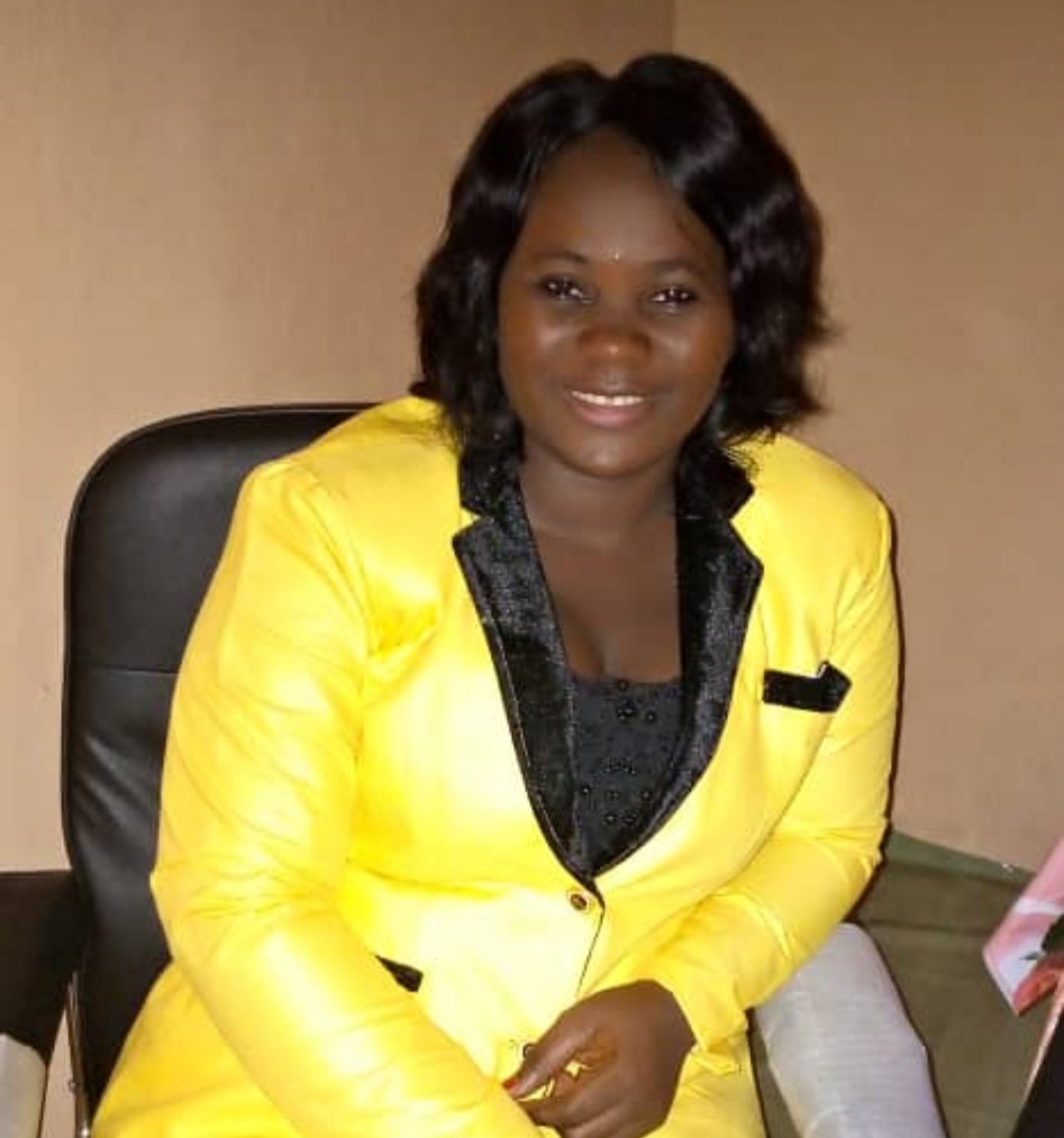
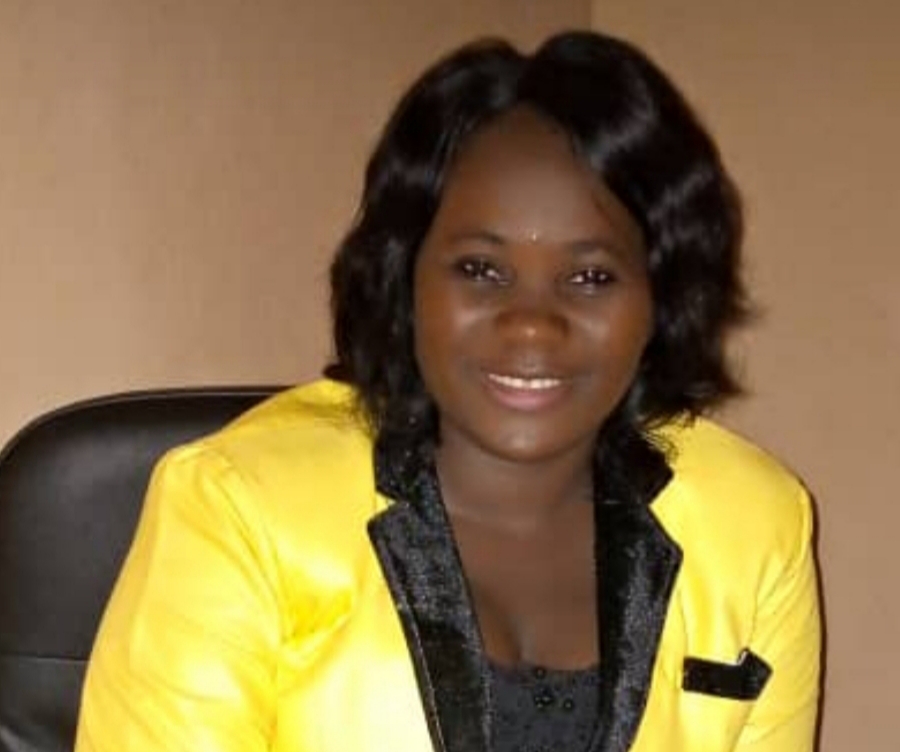
Tabitha Lilungwe, Project Director of Peoples Action for Accountability and Good Governance in Zambia (PAAGZ)

Tabitha Lilungwe, the Project Director of People’s Action for Accountability and Good Governance in Zambia (PAAGZ,) has always been motivated by her drive to make a difference in the lives of others. She served as a Deputy Managing Editor for Lusaka Star, blogs about menstrual education and is a Human Rights Peer Educator. She understands the importance of making an impact, being impacted in her own personal experiences with others, and is always driven by the need to make a difference in everything she touches. Her story shows us that in our journeys, we meet people to inspire them and to be inspired by them and that to never take things for granted.

This is Tabitha’s story …

Born in 1996 in the Southern parts of Africa, in Lusaka, Zambia, I was always driven by my curiosity of the world but was never sure of the career path to take because of my diverse interests in law, medicine and the social sciences. However, being the second eldest of seven children, our financial resources were limited and this consequently narrowed my choices to what was made available, at the time, which was a government scholarship, to study at the University of Zambia. The secured government scholarship, though, did not enable me to study law. Thus, I selected to pursue a degree in Mass Communications but it later became transparent that it was the right choice as it set me on the path I was destined to pursue.

In 2015, I commenced my studies, and three years later, expanded my networks by joining the global Women in News initiative, provided through the university, which is dedicated to gender equality, diversity, and inclusion across the international news industry. Through this network, I became acquainted with female journalists and ventured into the civil society. Networking with civil society leaders, I developed an interest in community outreach and social justice. I collaborated with and volunteered for various non-governmental organizations (NGOs), including Bloggers of Zambia, Alliance for Community Action, and the Centre for Young Leaders in Africa (CYLA) Zambia.

After graduating with my degree in Mass Communications, in 2020, and officially entering the working world, I was approached by a colleague, a well-known Zambian rapper Pilato, to collaborate with him on his non-profit organization, People’s Action for Accountability and Good Governance in Zambia and was subsequently appointed as the Project Director to facilitate the vision of the organization. 

People’s Action for Accountability and Good Governance in Zambia (PAAGZ) is dedicated to advancing governance and accountability processes in Zambia. It focuses on citizen-driven accountability, inclusive governance, and systemic improvements. The organization strategically positions itself to engage with communities, to encourage civic engagement, voter registration, and participation in general elections. The focus areas of the organization are community-led social accountability and public resource management monitoring, artistic freedom and freedom of expression, grassroots mobilization and community empowerment, promoting political awareness and participation and human rights advocacy.

Driven by its mission, PAAGZ also became involved in many campaign partnerships, including with Magamba of Zimbabwe and Selam of Sweden that have resulted in the defamation of the president law being repealed by the President of Zambia and the launch of the Pan-African Network for Artistic Freedom (PANAF) Zambia, respectively. Many of PAAGZ’s initiatives include projects such Activate, Meet my Debt and Ticheze Zambia. Activate focuses on mobilizing and empowering young people to register and vote in the general elections, Ticheze Zambia provides platforms for amplification of citizens’ voices and promoting government accountability and Meet My Debt is designed to bridge the information gap across, social classes, and to make the debt management discourse accessible to the general public.

Through these respective projects, 800 women and youths, across 13 rural constituencies in Zambia. were positively impacted. We have also successfully amplified the demand for social and democratic accountability. Notably, PAAGZ’s efforts had a tangible influence on political campaign messages for the August 2021 elections, with a substantial voter turnout of 70%, the highest since Zambia’s first multi-party elections in 1991. More than half of the 70% of voters were below the age of 35 and it shows the effectiveness of our projects but also highlights the growing role of young people in shaping the political landscape.

In addition to creating political awareness through PAAGZ, I am driven by my own personal experience of being a 15-year-old girl and not knowing how to manage my periods. Growing up in a conservative society, menstruation is a taboo topic, leading me to realize the prevalent issue of period poverty affecting many young girls in Zambia. As a result of it being a difficult topic to discuss, this inadvertently leads to teenage pregnancies, with approximately 30% of Zambian girls becoming pregnant at aged 18, resulting in higher high-school to university dropouts.

With this in mind, I created a blog Lilungwe Daily to create awareness among young girls but will extend my services from blogging to formally establishing a youth hub, the Harmony Healthy Club, in the near future. Harmony Healthy Club will focus on issues associated with adolescence, early marriages, teenage pregnancies and menstruation. It will also create a safe space, without stigma and discrimination, where sexual education can be discussed, especially in a society that encourages abstinence over comprehensive sexual education. It aims to focus on the well-being of young women and to provide them with sexual and reproductive health, with the long-term goal of reducing teenage pregnancies. Plans for its launch are underway, with the initial roll-out to be introduced in my community, Kanyama, with the aim of expanding to other areas in Zambia.

Throughout all my pursuits, over the years, I always think back to my university days, particularly my friendship with my former classmate, Matilda Chali, who impacted me deeply. We were two peas in a pod and did everything together, from our chosen modules to tutorial groups and even lived at the same student residence. Being 7 years older than me, Matilda inspired me with her story to reach university levels and we vowed and made a promise, to each other, that one day when we are “successful enough”, we would share our story, with the world, but she never got to share hers. Matilda unexpectedly died, shortly after achieving her life-long dream of a university education. At aged 32, she passed away, alone in another province in Zambia, where she was working, with cerebral malaria.

Her passing came as a complete shock to my system and deeply affected me, reminding me of the fragility of life and to share our stories, and experiences, with others. it made me realize the importance of not waiting on second chances because not everyone gets a second chance in life. Sometimes, as I go through my life, I have those moments where I want to call Matilda, to tell her of the latest developments in my life, then in that fraction of a second, I have to remind myself that she is no longer.

As humans, we tend to fool ourselves by thinking that we have time but the clock is always silently ticking in the background. Seize that opportunity that may never come again because while hardships may be temporary, the rewards of success are reverberating. Be present in everything that you do, for yourself and others, because that moment will eventually become a memory. Share the ebbs and flows of your life, the struggles and successes, with others, so that your story becomes your legacy that inspires others to succeed in their own paths. We meet people for a reason and often that reason is to show us how we are all interconnected and to also show us the importance and impact we, as individuals, can have on others.

If you are interested in learning more about Tabitha or would like to get in contact with her, please reach out via the Facebook page, Peoples Action for Accountability and Good Governance in Zambia (PAAGZ) read her blog Lilungwe Daily, or email her at tabitalilungwe@gmail.com or tabitalilungwe@peoplesactionzambia.org

In loving memory of Matilda Chali (right) standing next to Tabitha Lilungwe (left)

Ramatu Karim Sesay

Ramatu Karim Sesay, founder of Ramatu’s Girls and Women’s Empowerment Sierra Leone

At the age of 25 years, Ramatu has made great strides in spite of the obstacles thrown her way. She has a tremendous will and her story will inspire every little girl who has to fight a culture meant to break her. Her tenacity is outstanding and for her to still be standing today as a single woman, with no children and never having been married in addition to all she has accomplished pays true testament to her feisty spirit.   

This is Ramatu’s story…

My upbringing was tragic and forced me to mature quickly. I had to learn to start doing things for myself, for my siblings and for people in order to survive. At a very tender age, I was sent to live with one of my paternal family members in Port Loko, Sierra Leone to be looked after since my mother was asked to leave the paternal family compound, due to my parents’ divorce. Since she had no means to support her children, she made no objections, at that time. Under the care of my paternal aunt, I suffered tremendously and had to learn to fend for myself and my siblings. I slept on floors, was physically abused and starved, from time to time. I tried raising money for food, by braiding other peoples’ hair, but it was stolen by my aunt. Sometimes, she would also send me to the markets on a hungry stomach to sell items, after school, and when I took 1 000 or 2 000 leones to placate my hunger, she would beat me when I returned home from the markets. On weekends, I was sent to the bush to collect firewood for cooking and the abuse continued with me sometimes eating by neighbours. I endured the mistreatment over the years until she tried forcing me, at the age of 17 years, into an arranged marriage with a 62 year old carpenter. I refused to be forced into this marriage and as a result, was starved.

The final straw came in 2014, aged 19, when my aunt asked me to travel to Banthoron Village in the Port Loko District, where I was stripped naked and received cane lashings by some of the elder brothers of my father because of my refusal to this arrangement and because my aunt tarnished my name by the family who believed her wicked tales of me, including her accusations that I was not intelligent or focused on my studies. While their judgements and beatings pained me, they could not sway me to fall for their tricks because I was able to identify who I truly am and what I wanted to become.

Since I continued being defiant, and spoke up against her and exposed her during the family confrontation, my aunt refused me entry into her home but luckily for me, she was not paying for my education. I was receiving an education through a charitable organization called EducAid Sierra Leone, which caters for the less privileged in Port Loko. However, since she refused to take me back in, I could not return to my aunt’s home and was forced to stay in Banthoron Village, where I was able to read and prepare for my screening exams at another EducAid Sierra Leone branch.

During this period, I developed a deep concern for standing up against perpetrators and became passionate about gender equality and women empowerment. I wanted to improve the lives of all females living in marginalized communities and started engaging with the Banthoron village girls. I encouraged the girls to challenge cultural views that go against their rights to an education and a better life. During one of these educational sessions, I managed to borrow a phone to call one of my female school friends and a male staff member at the school I attended in Port Loko, to explain my family situation. The male staff member promised to get in touch with the Country Director of the EducAid Sierra Leone to assist me in getting out of Banthoron Village. He delivered on his promise and shortly thereafter the Country Director, my female friend and the male staff member (along with another) drove all the way from Port Loko Town to fetch me in Banthoron Village and I started a new life in Maronka Village. While I was sad to leave behind the village girls, I was ecstatic about the positive change in my story.

I was housed by EducAid in one of their buildings that served as a quarantine center during the Ebola Outbreak in 2014 and was appointed as the quarantine home mother, for a short period, to look after children, both girls and boys that were orphaned by the Ebola pandemic. I was later transferred to EducAid Rolal Senior Secondary School Port Loko to continue my schooling. Throughout this period and serving as a group leader to younger children, I managed to graduate high school although it pained me that none of my family members attended my graduation since they disowned me. After completion of high school, I continued serving EducAid and was asked to assist with their EducAid Mgbeni branch. Throughout, I was empowering, encouraging and teaching classes to children under my supervision and was asked to get involved in a Women’s Project teaching girls and women, phonics, mathematics and language arts. It was during this period, months later, that my father made contact with me, to apologize for not standing up for me because of his fear of his family and the repercussions of the elders who do not take kindly to defiance and he encouraged me to focus on my education and was proud of me for what I have accomplished thus far.

In 2016, I was transferred to a new EducAid school in Makeni to continue the Women’s Project and where I continued in my position as a home mother, gender equality representative and head of the safety committee. I also took it upon myself to engage girls in Makeni about female genital mutilation, which is a highly regarded cultural practice. I was of course met with a lot of backlash but the issues were resolved through EducAid Sierra Leone, as part of their organizational work.

I was very happy during my period at EducAid Sierra Leone as I was gaining experience and earning a stipend per month, to survive, since I had no one to support me but towards the end of my tenure, I was a victim of sexual harassment by one of the senior male teachers who wanted to have sex with me in exchange for bread, eggs and other foods but since I refused his advances, he avenged my rejections through falsified reports on my so called misdemeanours and since, there were no open platform to discuss cases of sexual harassment, noting that he was in a position of trust, I was made redundant and my tenure at EducAid Sierra Leone came to an end. It was distressful for me since I was saving most of my monthly stipends to enrol in university and now felt like I was back to square one.

In spite of this, I told myself not to give up and enquired the cost of pursuing a Bachelor of Education degree at the Ernest Bai Koroma University and to my delight my savings covered the first year tuition. To make ends meet, I sold many different snacks on campus and surrounding primary schools because I believed in the power of an education and with the help of good Samaritans, along the way, who assisted me with my struggles, I am now a 4th and final year student, who intend graduating in 2021 with B.Ed., majoring in Community Development with a minor in Agriculture.

As a young and single woman, I have faced a lot of sexual harassment and had to deal with men trying to prey on me, considering my vulnerable situation, but I have honestly been strong and dealt with every obstacle thrown my way in the most dignified way possible and I am extremely grateful for the help of truly good Samaritans who believe in me, my potential and my vision for my future and whose only heartfelt aim is to see me succeed.

My passion, dreams and aspiration for education, women’s rights, development, women empowerment and improving the livelihood of women and girls living in marginalized communities became stronger in my thoughts and heart after being faced with all the hardships. I realized all of those painful experiences have given me more strength of mind, boldness, lessons and the empowerment needed to be vibrant and fearless in the advocacy of young girls and women.

After my fruitful tenure at EducAid Sierra Leone where I gained valuable experience as a volunteer, I transformed my skills and knowledge into rallying a small group of girls in Makeni and started creating awareness on the rights of girls and women and on harmful cultural practices. My efforts have expanded through training and motivating them and as a result, my organization, Ramatu’s Foundation for Girls and Women’s Empowerment Sierra Leone was established on 26 October 2019. The Ramatu’s Foundation for Girls and Women’s Empowerment Sierra Leone is a fully functional foundation registered with the Ministry of Social Welfare, Gender and Children’s Affairs in Makeni with an office space containing 7 rooms, newly recruited staff members and board of directors and office equipment which we will expand as more funds become available.

I am deeply aspired in ensuring all females are educated on their rights and responsibilities and in ensuring that all issues affecting women and girls in Sierra Leone are eradicated with my own leadership and to include men in joining me to win the fight against arranged marriages/child marriages, rape, female genital mutilation and gender-based violence. I want to serve as a global feminist and to continue to tell my story and to help in the development of women and girls living in marginalized communities. All I want to see is a Sierra Leone or a world wherein women and girls are not treated based on selfish cultures, are not deprived of their rights and responsibilities, are given the platform for progress and equality and are given leadership positions and inclusiveness.

If you are interested in learning more about Ramatu or would like to get in contact with her, please follow her on her Facebook page, Ramatu’s Foundation for Girls and Women’s Empowerment Sierra Leone or email her at sramatukarim@gmail.com