Maymoona Chouglay

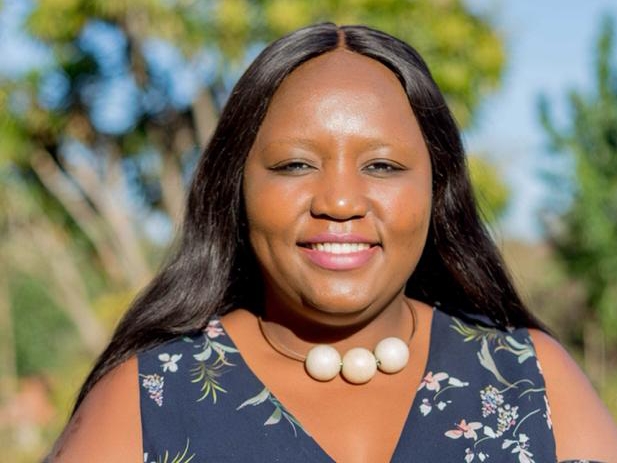
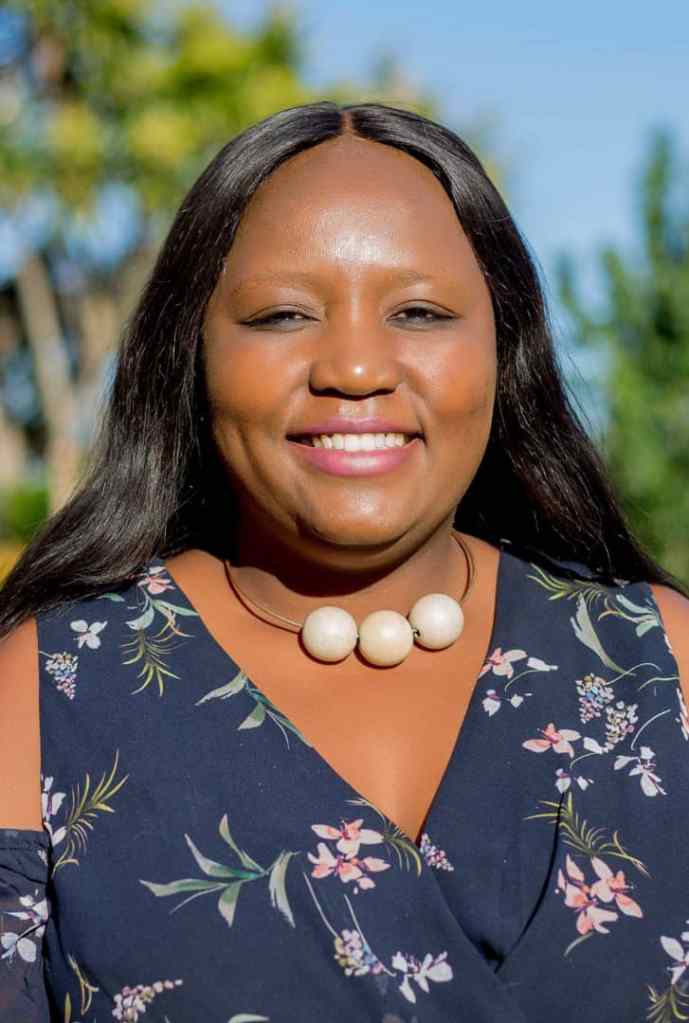
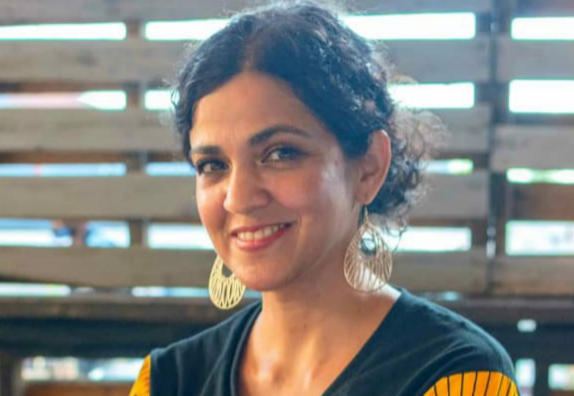
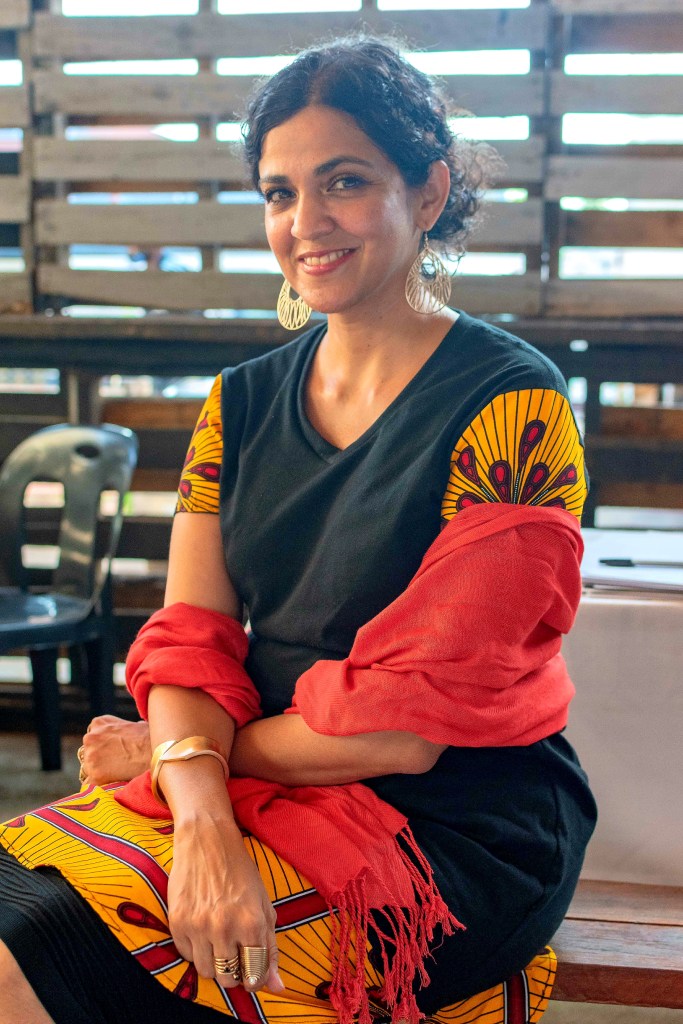
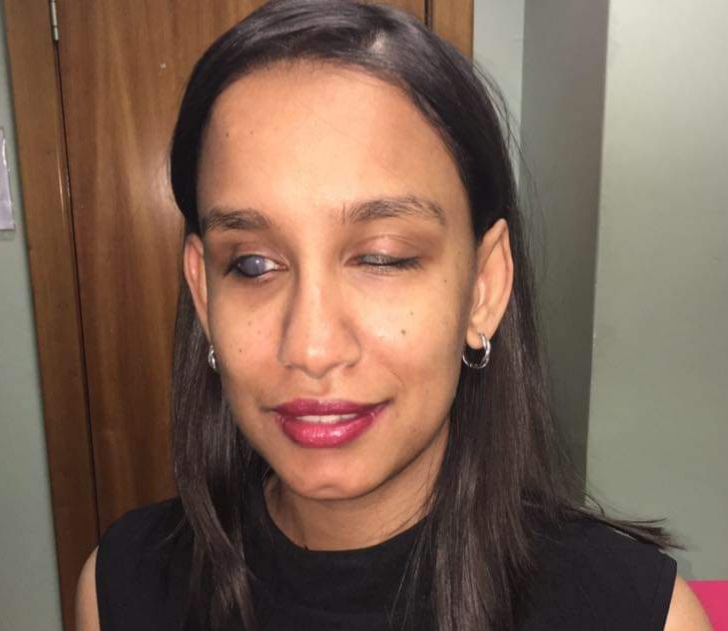
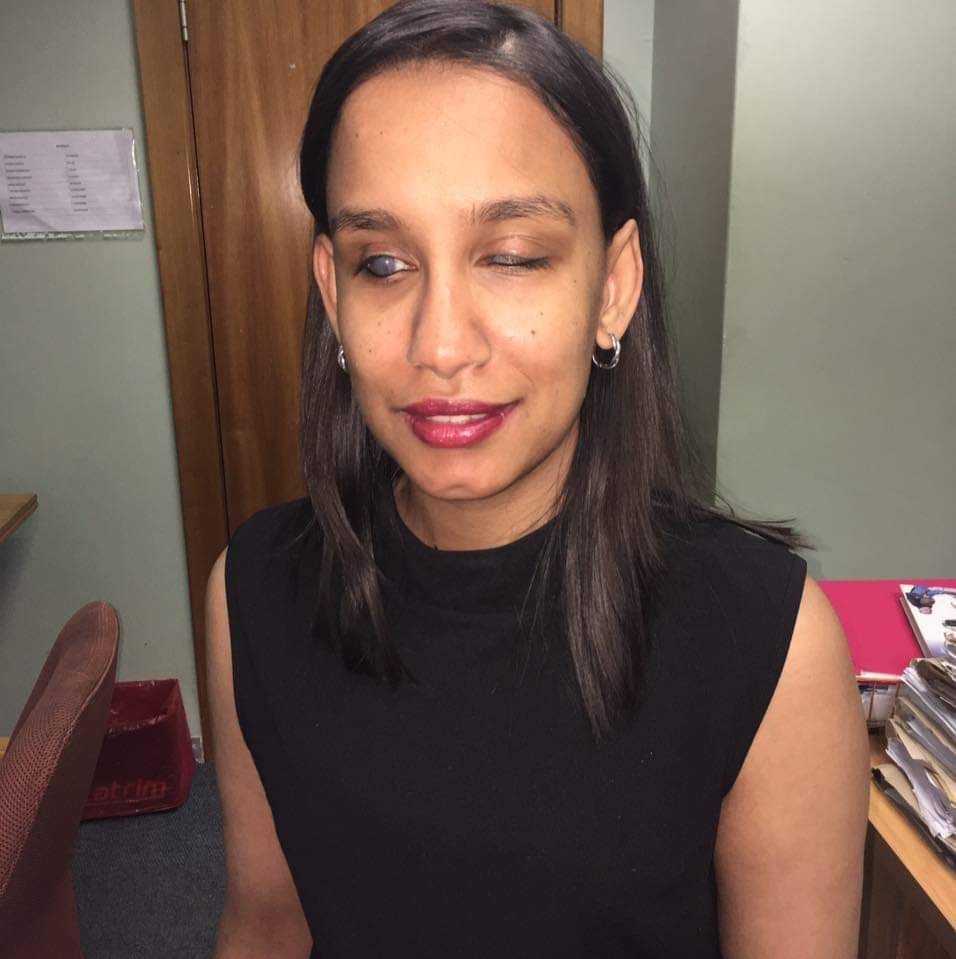
Maymoona Chouglay, founder of Infinite Abilities

Maymoona Chouglay, the founder of Infinite Abilities, is a social worker both in her professional capacity and as a volunteer. She is deeply involved in trying to alleviate the societal challenges of the disabled community. Her journey to finding her own path has driven her to facilitate the lives of the visually impaired. Her story shows us that it is important to always find the silver lining in the cloud, irrespective of the challenges, and that we all have the power to turn our pain into purpose.

This is Maymoona’s story …

I am sitting in the classroom and all I see is a colourful blurriness, but I cannot see the distinct features on the faces of my fellow classmates nor the letters on the dark green board a few feet away from me. It feels like a cloud hovering in front of me, through which I need to see, but I find comfort in the presence of my mother, my pillar, and my strength. She is seated alongside me, to make the lines in the book darker, to read to me from the board and to help me with learning to write, between the lines, and on the days that she is not present in class with me, my teacher tries her best to include me in all the activities.

When I reflect on my first two years of mainstream schooling, in Johannesburg, South Africa, I can remember clearly how challenging it was trying to immerse myself in a classroom designed for and filled with learners without disabilities. The struggle to immerse myself in my new surroundings was not due to a lack of care but due to a lack of special-needs resources and infrastructure, which is predominant in most mainstream schools within South Africa. 

In 1987, I was born six months prematurely, in Kimberley, South Africa, weighing 680 grams. While being incubated, I was given too much oxygen which resulted in my retinas becoming detached. Despite having undergone several operations, and receiving the best ophthalmologic care, nothing could be done to reverse the damage, thereby causing me to become visually impaired. With the need to search for better working opportunities, my parents returned to my father’s hometown, in Johannesburg, a city situated five hours away from Kimberley.

It was while I was in Johannesburg, that I entered mainstream schooling. However, the respective school was not equipped to accommodate my condition and we were referred to Prinshof School, for the visually impaired, in Pretoria, South Africa. After we went for our first appointment at Prinshof, to ascertain if it would work for me, my mother assured me that I would manage at the special school, and that she would continue to assist me.

When I was eight years old, we relocated from Johannesburg to Pretoria to enable me to start my new journey. I went from having to sit in front of the board in my former mainstream school, to be able to read the letters, to being able to immerse myself in an accommodating world with learners who endured similar challenges as me. Prinshof was truly the game changer in my development as an individual. It set me on a path of healing and growth by creating a space of belonging. Before Prinshof, I did not have a strong sense of self but through Prinshof, I became very confident and found my sense of self.

I became active and partook in many school activities including athletics, swimming, piano lessons, and the school choir. I completed Grades 1, 2 and 3 within 6 months of commencement. The rate of my development was outstanding to the extent that Prinshof wanted to promote me to Grade 4 within my first year. However, my mother refused the suggestion with the reason of wanting me to focus on learning braille and to become more well-rounded by acquiring skills in other areas, not just academics.

For the next three years, I was thriving at Prinshof but then, in Grade 6, at age 11, my World got shaken to the core by the sudden loss of my mother to lupus. It really stunned me that my biggest supporter was no longer there to cheer me on and to guide me on my path of becoming … There are days that I still miss my mother. I miss her tender touch, her comforting hugs, and her unconditional love but as a child, it was harder to navigate the World, without her, because she was my voice, and as a child, I was still finding my voice. In the midst of the darkness, my father and I held on to each other, and even if I never got over the loss of my mother, I appreciate and have the greatest respect for my father, for always being there for me and for creating a sense of normalcy for me, when she left this World.  

One year after my mother’s passing, my father remarried, and I was blessed with a second mother. She became the mother I needed when my own mother was no longer, and our little family of three was later expanded with the arrival of my twin brothers. This sense of family has been my comfort and through the coming years, I continued to thrive at Prinshof until I completed my secondary education. When I started studying at university, interestingly, it felt like I was regressing into the real world where the mundaneness of university life was in fact, a blind person’s nightmare, all because of a lack of reasonable accommodation.

It was tough adjusting but fortunately, my mother accompanied me to campus as I embarked on my BA Degree in Social Work at the University of Pretoria. She was there for the first six months, assisting me with navigating classes and making notes, until we employed the services of an assistant that walked me to classes, typed my notes and books, where needed, and executed any other tasks that were required. Although I used a white cane, it was very difficult navigating campus with it because university buildings are not always streamlined and flat-surfaced to facilitate walking unaided or even, with a cane.

During my second year of university, I was further diagnosed with glaucoma, which caused me to lose my eyesight completely. I nearly threw in the towel and quit university because my condition got progressively worse, and the daily challenges were just mounting. It was tough but as a believer, I was reminded of one of the most enlightening verses in The Qur’an, “Allah does not burden any soul greater than it can bear” (Chapter 2, Verse 286) and I soldiered on. Six years after I started university, not only did I complete my BA Degree in Social Work, in 2012, but I also graduated, in 2013, with a BA Honours in Social Work.

I have worked and continue to work both within the governmental and non-governmental sectors, from Gauteng North Services to the Department of Social Development and am currently busy with my Masters in Disability Studies. Being a person that is living with a disability, has augmented, and aligned me to assist people with disabilities, in addition to my other social work responsibilities. I am involved in extensive voluntary community work, with other organizations, including the supervision of a home for blind children, from ensuring their well-being to their accessibility to an education, and an empowerment center under the auspices of a non-governmental organization, Garden Social Services. I was previously involved in consulting work with the braille packaging of skincare product ranges with L’Occitane, for a two-year period (2018-2019), and currently participate in public speaking engagements, disability awareness training and campaigns and have also established my own organization.

In 2019, Infinite Abilities was established as a consulting firm to serve persons with disabilities, and their families, with therapeutic to general support and empowerment services. The organization offers educational and disability awareness training to businesses and organizations and supervises social workers and social auxiliary workers in their respective roles in accordance with the Social Work Supervision Policy Framework but with a special focus on dealing with persons with disabilities. The vision of Infinite Abilities is that through its services, every professional will become aware of and be educated and equipped with the skills, tools, and guidelines to assist persons with disabilities that they may encounter in the workplace or in their everyday lives.

For the past four years, since its inception, Infinite Abilities has been a one-woman show. Hence, with the aim of expanding and bringing members on to the executive board, the organization hopes to reach more individuals, living with disabilities, by providing resources to aid in their medical care and counselling services, their educational aspirations and to enable the disabled community to live empowered lives. Furthermore, Infinite Abilities aspire to assist social workers to establish their own private practices with the aim of accommodating more persons with disabilities that are unable to reach the government’s social work services due to geographical locations or being under-capacitated.

There are numerous daily challenges that I encounter in my interactions with people that are not attuned to my visual impairment, from a personal assistant that may not read the instructions clearly, to me, to a driver that does not drop me off at a precise location and it is frustrating, and it can be depressing but I refuse to live in those moments of darkness. I am a firm believer that this condition has been bestowed upon me, to be of service to humanity, to aid me in understanding the nuances of living with a visual impairment and to use my voice to be a voice for other visually impaired children and adults.  No matter where my journey may lead to next, I will continue to strive and empower myself, to the best of my ability, to use those skills to help the disabled community but my deepest desire, in all of this, is that society learn to pass the baton, to persons living with disabilities too. We are more than just being disabled.

If you are interested in learning more about Maymoona or would like to get in contact with her, please reach out via her Facebook page, Infinite Abilities, or email her at info@infiniteabilities.co.za.
Suraya Williams

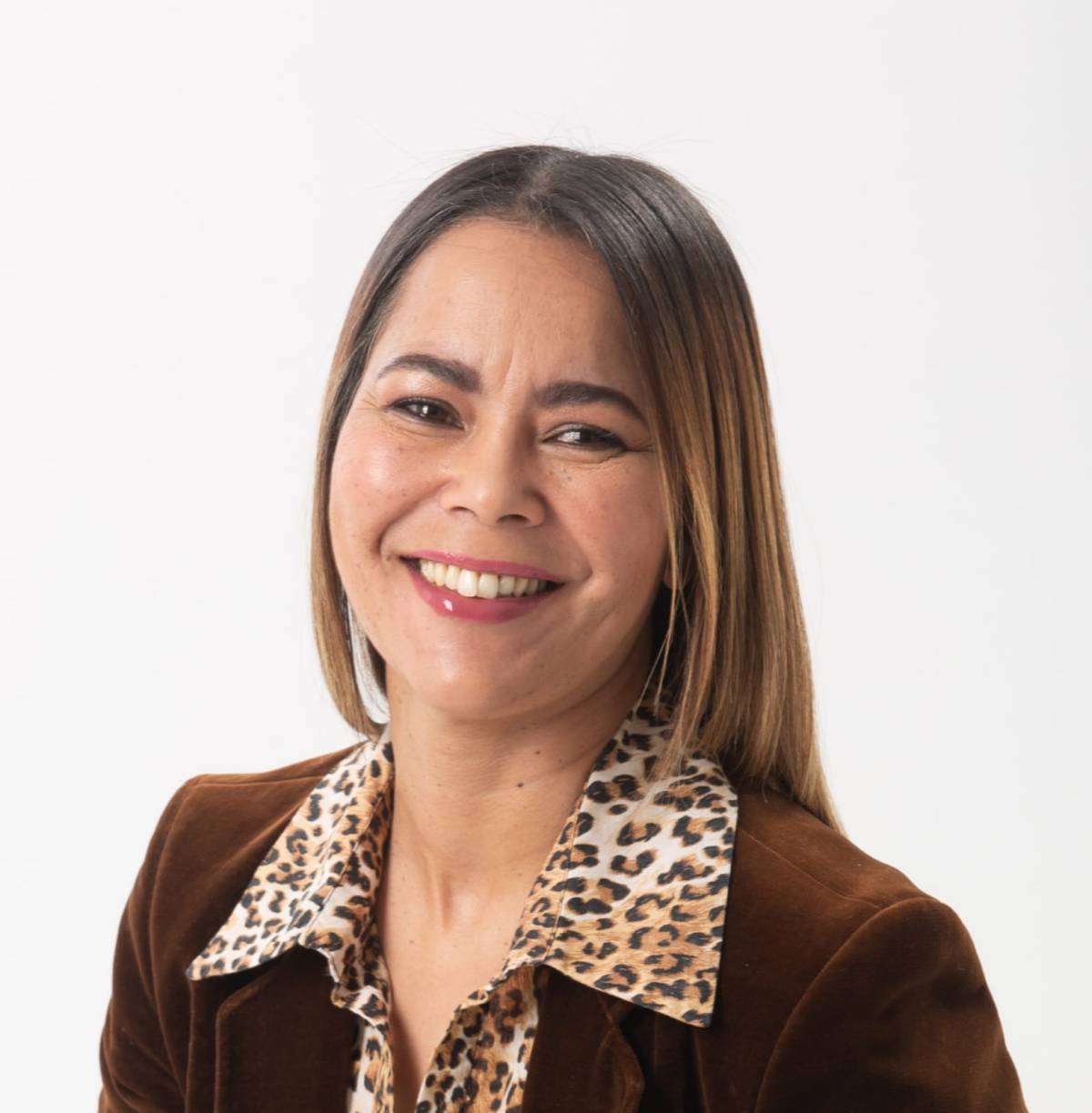
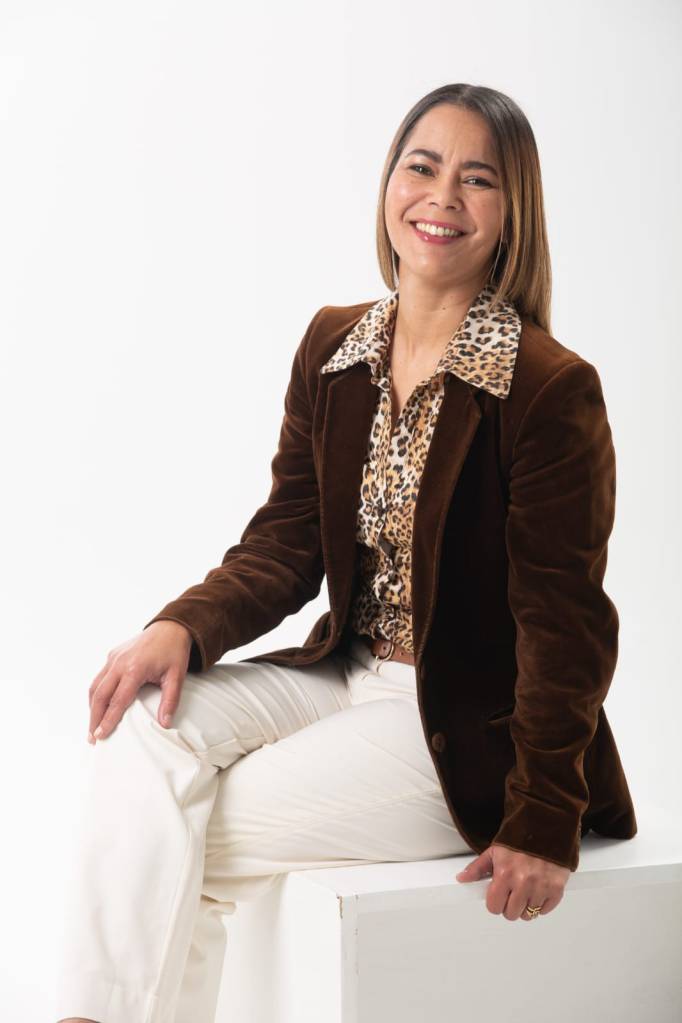
Suraya Williams, founder of Design26 Foundation

Suraya Williams, the founder of the Design26 Foundation, has been featured in several local South African newspapers, media campaigns and has been awarded recognition for her contribution to the young women of the Cape Flats, through her skills empowerment programme. Her story shows us that the key to our destiny is often right in front of us and that no matter what path we choose to follow, it will keep bringing us back to what we need to do and when we persevere to answer that call, the level of impact and influence we leave in our wake, is momentous.

This is Suraya’s story…

I was born in Bonteheuwel, a suburb within the larger Cape Flats region of Cape Town, South Africa, that is often only associated with gangsterism, poverty and crime. My parents, with their growing family, lived in a backyard shack and the struggle to make ends meet, within a segregated coloured community, under the Apartheid regime, were both common but also our norm.

When I was 2 years of age, in 1979, my parents moved into their own home, in Rocklands, Mitchell’s Plain; another area within the segregated Cape Flats. My father was a paint contractor and my mother was a clothing factory worker, with both of them having obtained a primary school education.  

In 1984, my mother was retrenched, when most clothing manufacturing companies, in Cape Town, were closed down. Subsequently, she made the decision to use her seamstress skills and worked from home.  However, due to the lack of a formal education, she worked from hand to mouth, barely making a minimum wage.

As a little girl, growing up, I remember always standing alongside her while she did her sewing and cut-make and trim (CMT) work. She would always tell me, in these shared moments, that she wants me to continue in her footsteps when she passes on. I secretly scoffed at the idea of taking over from her, as I believed it was a dying industry flooded with low-paid labourers destined for a life of continued poverty and destitution. I wanted better for my own life and sewing was not what I associated with having or doing better.

Determined to do better, and to help our parents in our own small way, my older sister and I, aged 14 years, would work for a salon on weekends and earned R30 (US$2) and a plate of food. In 1992, aged 15, during Grade 10, I started working for Kentucky Fried Chicken (KFC) after school hours and during weekends, earning R450 (US$29) every second weekend. In 1996, I finally graduated from secondary school, after failing Grade 10, at first attempt, but through sheer persistence and focus, I finished school, at aged 19.

Upon completion of secondary school, I did a one year secretarial course that enabled me to get my first formal job as a receptionist, at a community newspaper house, Cape Flats Mirror and Muslim Views. After a one year stint, I saw an opportunity to progress as a secretary at a much bigger company and in 1999, secured the job. However, a few years later, I got retrenched, in 2004, but soon thereafter, I became employed as an administrator at a well-known accounting and auditing firm, Mazars. Within two years of being employed, I progressed from being an administrator to becoming a personal assistant to two directors at the firm.

I have had to hustle all my life to get to this level of ease, from being a child of menial workers to working in the corporate sector but just when things seemed to be falling into place, my life was, unknowingly at the time, starting to shift gears, and steered me onto a pathway that was always meant to be my destiny.

In 2006, my mother passed away of yellow jaundice. Her death was sudden and shocking. Two weeks after she was diagnosed, all her organs failed and sadly she passed away, on my birthday, the 26th of January. She bequeathed her sewing machines and all her dressmaking equipment and fabrics to me; the middle child of her five children, but I was just as disinterested in sewing then as I was while growing up. I was not prepared though to dispose of it just yet, as it held sentimental value, and instead stored the sewing machines in the garage, until I found a suitable candidate to give them to.  

Three months after my mother’s passing, my brother was murdered as he was a state witness to another murder. It was hard losing two family members in quick succession. I then decided to have another child, who was unfortunately born with a weak immune system. With a sickly baby and being in and out of hospitals, while shouldering other responsibilities, compounded by increasing responsibilities at work, this subsequently interfered with my career. I was not in an emotionally good space to deal with the trauma and hardships but I somehow soldiered on because I was afraid of losing my financial independence.

During one incident of having to be home to tend to a sick baby, I was approached by my cousin who insisted that I make her child a 21st birthday dress. I flatly refused but she was persistent saying that I have the machinery, left her fabric with me and stated that my mother used to be the one making dresses for the family and I should give it a try.

Weeks passed by and her fabric started to haunt me. as her child’s 21st birthday party drew closer. Eventually, one Saturday morning, I thought let me just give this a try and if I mess up, she is well aware of me never having sewed in my life. I called her up to bring her daughter over for measurements and then the magic started to happen. Everything I thought I did not know, I knew. I made that dress from the memories of seeing my mother making dresses. It was a complete out of body experience. It felt as if my mother was with me in spirit guiding my hands, in every cut, every trim, and every measurement. I never knew I was capable of this. Needless to say, my first beautifully made pumpkin-styled dress and bolero jacket were a success. To have created it from scratch and to see the kind of joy I brought to my family changed me internally and a dream within me, my mother’s dream, was born.

I went about my normal, daily life, striving to keep my financial independence, but the dream kept growing within me and presented me with mixed emotions and potential challenges. Do I leave my job to pursue something that I did not know anything about or do I stay in my comfort zone and sacrifice my soul’s desire? What do I do?  

After opening up to my husband about wanting to start my own clothing line, and with his full support, I handed in my resignation letter in September 2012. Instead of accepting the resignation letter, my directors made a counter-offer, offering me more money, which I accepted. I thought maybe more money is what I needed for the extra responsibilities that I had to take on but the feeling of wanting to make dresses and making women smile did not leave me. Two months later, after 14 years in the corporate world, I resolutely handed in my final resignation letter and embarked on my destined path.  

With no knowledge nor qualification of how to manage a business, I established Design26 (Pty) Ltd, a public company, in February 2013, in commemoration of my late mother and the significance of her passing and my birthdate. I started from my bedroom, with two inherited sewing machines and R500 (US$33) to open a bank account. I manufactured women’s ready-to-wear clothing, custom-made matric ball dresses and wedding dresses and each year, I would donate a matric ball dress to a less fortunate girl living in Mitchell’s Plain. Two years went by, and I realized I was selling dresses but without making a profit. I then enlisted in a small business management course offered by the University of Stellenbosch, at a discounted price, specifically for people living in the Mitchell’s Plain area. Through this course, I learnt skills on presentation, marketing and financial management and realized that in order to be charitable, and make a difference, I need to ensure that I am profitable.      

Fast forward to 2018, I have been donating matric ball dresses for several years now and would follow up with each of my customers on whether they passed secondary school and enquired about their future plans. The common response I would get is that they cannot afford to further their studies and some struggled to find employment because they lacked working experience or skills. Since many of them could not find employment, they then turned to one of the many social ills that clouded the Cape Flats; teenage pregnancies.   

Teenage pregnancies is a scourge that deeply affects the lives of young girls living in the Cape Flats. A third of girls, between the ages of 15 and 20, fall pregnant, each year, and instead of things improving, it appears to be getting worse. The problem is not always solved through the use of contraceptives. It goes deeper than this; it can be influenced or directly impacted by other social factors such as an unstable home environment, drug and alcohol abuse, gender-based violence, gangsterism and crime and high rates of unemployment.

The circumstances of these girls really affected me and galvanized me to be more involved by imparting my skills to them. I then registered the Design26 Foundation, a non-profit organisation and public benefit entity, and set about offering a free sewing skills training course for underprivileged girls, from the ages of 15 to 20, from Mitchell’s Plain and the greater Cape Flats area, with the hope of making them employable, self-sustainable and restoring dignity to women in my community. 

To date, the Design26 Foundation has assisted 104 women; 50% of them are working class women, over the ages of 20, who attended our paid courses, to start their own businesses or to sew as a side hustle or for their personal needs. The other 50% are teenage mothers or underprivileged girls, between the ages of 15 and 20 years, which we offer our sewing skills training course to, for free of charge. Both salaried and free courses, which are FP&M SETA (Fibre Processing and Manufacturing Sector Education and Training Authority) Accredited, are conducted over a 12 week or 6 month period.  40% of these women have started their own businesses. The Design26 Foundation also have an alumni programme that provides further mentoring and opportunities to the women who attended our courses and shared networks, in  which these women have access to our premises and are able to make use of our machinery to improve the quality of their products.

Currently, with 3 directors, of which I am actively involved in the day to day operations of the organization, and 2 qualified facilitators. who became qualified through our skills training programme, the Design26 Foundation provide these weekly classes on a Monday, Tuesday and Saturday, from 8h30 to 12h30, in an adjoining section to my house.  We are only able to accommodate five ladies per class, due to space constraints. However, we are in the process of securing land to develop a fully operational skills center in Mitchell’s Plain and to expand our skills training course, with an in-house CMT (cut-make and trim) factory, to be able to provide employment opportunities to women who completed our skills programme.

As the founder of Design26, I hope to reach out to more young girls, to start them off with skills during their most formative years, and to keep them focused on the future. The social reality of these young girls in the Cape Flats are often daunting and disempowering and can easily distract them from a life that they are capable of achieving. However, success is still within their reach if they stay focused. My message to these young girls; teenage mothers or not, is that there are organizations out there, like ours, that care about your well-being and while success may seem outside of your reach, with consistent effort, time and dedication, it is achievable.

If you are interested in learning more about Suraya or would like to get in contact with her, please follow her on her Facebook page, https://web.facebook.com/design26foundation or email her at info@design26foundation.org.za

Sylvia Sanyanga

Sylvia Sanyanga, founder of The Nate Foundation

Sylvia Sanyanga is a strong, endearing, and innovative woman who has sought a solution in every challenge. She is a proud mother of three young children who has been hailed for her dedication to service. She has been awarded both the Outstanding Community Pillar and the Local Community Based Organization ZCN Awards by the Zimbabwe Community News Network, in 2020, and is also a 2019 Finalist Nominee for the UK Creativity and Arts Awards for Best Event Organizer and Best Community Leader. Sylvia’s story shows us that the pains and struggles that Life present to us are not there for the sake of destroying us but are there to make us cognizant of the needs within a community and to awaken us to our purpose to serve others within that need.

This is Sylvia’s story…

Growing up, as the eldest of three siblings, I was always close to my mother. Everything she was as an individual was what I aspired to be and everything I have achieved since, has been through her undying love and support for us as children. We were, and still are a very close-knit family even after her unexpected passing in January 2021. Her death has hit us hard but her exemplary life; her involvement in the Ministry, her establishment of the Institute of Healing of Memories branch in Zimbabwe, her hospital visitations to the sick and needy has inspired us to continue her legacy of selflessness, compassion, kindness, and God-consciousness. We are because of her and I am because she is.

Since I had such a wonderful relationship with both my parents and seeing the sacrifices, they made for us as a family, I naturally aspired towards having my own family and after meeting my husband, Eddie, I became a mother to my first and only daughter, Natasha, at the age of 25. As a young mother, and from a family of no health complications, it never occurred to us the challenges that lay ahead.  When Natasha was born, she seemed like a perfectly healthy baby girl, even to the doctors, but five years later and through many assessments, she was diagnosed with a hereditary condition called Fanconi Anemia, after experiencing bone marrow failure. It was then discovered that both my husband and I have the recessive gene, and this was a total shock. It was a very confusing and difficult period for us to have to not only discover that it is genetic but to also see our daughter suffer because of this condition.

As time went by, my husband and I started to learn more about Natasha’s diagnosis. Fanconi Anemia is a rare and life-threatening illness and is the most common variant of a disorder called Aplastic Anemia. Fanconi Anemia affects the bone marrow and its inability to produce bone marrow stem cells which in turn produces all types of blood cells that are responsible for the reparation of damaged cells within the body. When an individual’s body does not produce white blood cells, the body cannot fight infection, the red blood cells cannot provide oxygen to the body and a low platelet count cannot stop bodily bleeding. The symptoms of Fanconi Anemia range according to age and person from growth deficiency, abnormal skin pigmentation, unexplained fatigue, easy bruising, nosebleeds and leukemia or solid tumors. However, some children born with Fanconi Anemia, do not show physical signs of Fanconi Anemia and therefore no one could determine anything out of the ordinary with our baby girl. 

After Natasha’s diagnosis, in 2013, we were advised that she needed a bone marrow transplant. Quite sadly, there was no medical institution in Zimbabwe that could perform bone marrow transplants and there still is none. As we conducted further research, we discovered that not only was a bone marrow transplant a life-threatening procedure, but it is also very expensive one. It was a very difficult and stressful period for us as a family because we did not have the resources to give our child the best treatment available, but my husband and I decided, to walk in faith and, that we were going to do everything within our power to give our daughter a fighting chance.

Since Zimbabwe did not have the available facilities, and South Africa was too costly, we then shifted our focus beyond borders, to a cheaper option, and found India to be able to assist with our daughter’s condition. We began a fundraising campaign to raise US$100,000 which was required for the bone marrow transplant (US$45,000 for the transplant, US$35,000 for the donor and US$20,000 for airfares and living expenses in India for the entire family for six months). With only two days before the scheduled day of departure to India and having raised only US$23,000 we later received incredible news that an anonymous donor paid for the full transplant cost and was ready to pay US$35,000 if any of us were not a match for Natasha. They also advised us that we could use whatever we had raised for travel and living expenses while in India. It was an absolute miracle!

As a family, we travelled to India. Both my husband and I were not a match for Natasha but our 3-year-old son, Raymond, was. Raymond is our miracle child; he was born perfectly healthy despite Fanconi Anemia being a hereditary condition and us as parents having the recessive gene. Raymond was the perfect match for Natasha, and she received her life-saving treatment without any major complications. As parents, it was never easy to ask Raymond to be his sister’s keeper, but we took that decision as a family because by the end of it all, family is everything to us.

While the operation was a success, the bone marrow transplant does not cure the sufferer of Fanconi Anemia, but it extends their lives beyond the life expectancy of 18 years. As a mother, it does not matter if the doctors say your child has 18 years to live or 40 years to live. As a mother, you will give your child everything that you can to give him or her the best chance at Life, no matter what. I felt that God has bestowed us with this privilege of raising a special child and to treat this Gift of Life with the greatest honor.

In 2015, two years after Natasha’s successful treatment, we were gifted with our third child, Nathan. Nathan, which means God’s Gift, was also born with Fanconi Anemia but unlike Natasha, Nathan was born with physical deformities, which made it easier to detect. His physical deformities included bilateral club hands, an absent radius, no thumbs, an absent right kidney, and severe hearing loss. When he was only two months old, he had to undergo surgery as he had a right inguinal hernia. At six months old, he had corrective surgery to centralize his right hand and one and a half years later, when he was 2 years old, he had another centralization for his left hand. The corrective surgeries would have cost us US$40 000 but were performed pro bono by a team of plastic surgeons from the University of San Francisco that were based in Zimbabwe. We are forever indebted to this amazing team for their selfless contribution because ever since then, Nathan has had full use of his hands and is a thriving and budding artist.

In 2018, when Nathan was 3 years and 6 months, his bone marrow failed, and we once again required a bone marrow transplant in India with Raymond pulling through for us once more. However, there were complications that came with the surgery. Nathan endured numerous infections such as a terrible adenovirus (a common virus that causes a range of illness and cold-like symptoms), a graft versus host disease as he was a haplo-identical match (with his brother Raymond), and had to be in ICU (where at one point we were told to prepare for the worst).

All through this, and my children’s struggles, I was also battling with my own issues. In the years since Natasha’s birth, I have suffered from cysts and adenomyosis. While Nathan was undergoing his treatment in India, I was in severe pain with the growth of a cyst. As a mother tending to a sick child, I put his health before mine and that nearly cost me my life. The growth became life-threatening, and I ended up having to undergo surgery, in India. I also suffer from fibromyalgia, a rheumatic muscular condition which leaves me in constant pain and discomfort.

However, as a mother my pain means nothing to me if my children are well-adjusted and happy. I have and always will put them before me, and it gives me the greatest pleasure to see how full of life and resilient they are. Natasha, Raymond, and Nathan are my life’s greatest joys, and they are in good health, are doing well in school and continue to inspire so many people, both young and old.  

Eddie and I went through the most difficult times, watching our children Natasha and Nathan go through pain, particularly with the side effects of chemotherapy that came during their bone marrow transplants. We moved around with a begging bowl, I slept on the floor in general hospitals because that is what you do if you are the primary caregiver, I have had sleepless nights and medical bills piling up because of their condition while having 8 major surgeries of my own. I have been to some of the best hospitals and some which have left a lot to be desired. I have experienced the agony that a parent goes through and the stress that comes when the treatment required is way more than you can ever afford, even if you sold all your possessions. I have been in that place where all you have is hope and faith because your loved one is so ill.

Following our ordeal, Eddie and I agreed that no parent should ever have to go through what we went through, so we founded and registered The Nate Foundation, a non-profit organization that supports children with Aplastic Anemia and related conditions. We also established a subsidiary crowd-funding platform, called Raindrops, to help and assist parents with children suffering from other health conditions that are not related to Fanconi Anemia or Aplastic Anemia.

However, within The Nate Foundation, our support extends beyond fundraising for Aplastic Anemia. We provide psycho-social support to children with Aplastic Anemia and their families and/or caregivers. We also work together with medical personnel in our country to raise awareness of Fanconi Anemia within Zimbabwe and have been able to assist by sending over 6 children to India to receive bone marrow transplants. Over the years, we have assisted patients in countries such as South Africa, Kenya, Zambia, and Nigeria and approximately 20 children have been recipients of The Nate Foundation.

We have done this work with minimal donor support as our government and most people in our country have a limited financial capacity to assist. However, we are excited to announce that we recently received, in August 2021, our first ever grant of US$10,000 from the US-based Fanconi Anemia Research Fund. This huge show of support will ensure that we continue to raise awareness of Fanconi Anemia and provide support to patients, their families, medical personnel, and health facilities.

We also established a special needs preschool called Caterpillar Clubhouse, when we had difficulty in finding a preschool that would accept our son Nathan. Caterpillar Clubhouse is open to all children with various special needs and fosters inclusive learning in mainstream school. We offer a safe and developmentally appropriate environment in which our special children can learn, with a focus on making learning an enjoyable experience for them and to inculcate in them the ability to become lifelong learners. Caterpillar Clubhouse is a self-funded endeavor that charges US$25 per month, per child, and so far, 80 children have entered and left our school grounds and gone on to successfully integrate into mainstream schools with Caterpillar Clubhouse currently hosting 33 children.

Nothing ventured comes without its challenges, but we have been called to serve, and diligently we shall. In addition to continuing our current work, we want to expand by establishing an Aplastic Anemia Treatment Centre, with a bone marrow unit, a learning center for children with special needs, research facilities and a resource library. Our journey of a thousand miles began with one step.

When we count our blessings, we count our children twice. It is such an honor to have beautiful, brave, and loving children and they have taught us so much. The biggest lesson we learnt is that no matter what life throws at you, stand up and fight. There is a blessing in the storm. When we started our journey of a thousand miles, who of us knew that our story of pain and struggle would turn into a tale of beauty and service to others?

If you are interested in learning more about Sylvia or would like to get in contact with her, please reach out via her Facebook pages, The Nate Foundation or Caterpillar Clubhouse, or email her at svsanyanga@gmail.com

Sindiswa Mabindisa

Sindiswa Mabindisa, founder of Wretched Woman’s Diary

Sindiswa was born in the township of Tembisa, Gauteng and had a very tough upbringing that no child chooses. Her story shows us that we do not choose the situation into which we are born; it chooses us but that with the calling that God bestows upon our lives, it can take one from the slums of the Earth to the Heavens before His Eyes. He sees our beauty in the way people may not and He chooses us to do the work we are called to do, to a door no man can close.

This is Sindiswa’s story…

Their marriage was a mess; they were always fighting. Every weekend my dad was drunk, and he would hit my mom. In 1998, they eventually divorced, and mom moved out and left us with our dad. Since then my dad got involved with women that treated us badly. I remember one incident where I innocently called one of his girlfriends’ “mother”. She got so mad at me and said in a condescending tone, “andingi mamakho wena!” (I am not your mother!).

We, my elder sister (aged 7), little brother (aged 4) and I (aged 6), were then sent to Eastern Cape to live with my dad’s family but we were never made to feel like we were part of the family. We had to fend for ourselves and our little brother, from changing his nappies to doing house chores. We were children but were not treated as children, being recipients of harsh words and treatment, and this had a profound effect on me. But, instead of things getting better, things just got worse.

Back home, in Tembisa, my dad remarried eight years after my parents’ divorce. In the time that we were sent to live with our paternal family, he never supported us. My grandmother, his own mother, took him to the Maintenance Court to seek financial support. But instead of owning up to his responsibilities, he resigned from his job, just so he could evade them. Each time my grandmother took him to court, he resigned from his job. Each time. She tried numerous times, but he refused to support us.  

He then summoned us back to Tembisa to live with him and his new wife, our stepmother. We were welcomed into a living hell but this time, it was only me and my brother. Even though my dad always had a drinking problem, this new life was to escalate into me doing things I never thought in my young mind, that I would ever do.   

While we were back at home, we were forced to eat pap and tomatoes while my dad, his wife and her child would dine out at restaurants. I became the domestic worker at home. I had to cook dinner, do everyone’s laundry, include cleaning their sheets filled with semen, and every housework chore one can think of, on an empty stomach. 

As I said, my dad had a drinking problem but this time, they decided to open a shebeen (a private house selling alcohol) and they made me the “shebeen girl”. I had to sell alcohol from Friday nights until Monday mornings. This decision, of theirs, opened our doors to shady characters and soon, we would have men sleeping over at our house. Strange men, lewd men, sick men. My stepmother invited them in and refused them to leave. She said people were going to kill them, with them being so drunk, and she made space for them to sleep on the floors, alongside me. I always slept on the floors but now, I had company.

Some memories of them are vague, other memories are clear. I recall one of them touching my neck. He kissed my neck and moved his hands between my thighs and said to me that he can do anything he wants with me and he will give me money … I used to share my sleeping space with those men.

As a girl, you want the love of your father, but my dad never loved me. He made it very clear that he did not love me and sometimes, he would hit me for no reason. His words towards me were always harsh but the words that I will never forget is him saying, “Mhla nda thenga umpu uzoba ngowo kuqala umntu endizo mdubula” (The day I buy a gun, you would be the first one I’d shoot) and he always reminded me that he would shoot me once he gets himself a gun.

Finally, 2008 arrived and he got the gun but he never followed through on his threat. In a twist of fate, the year he got the gun is the year I moved out and the year he died.

In April 2008, I moved in with my mom and a few months later, when I returned from a family visit to my aunt in Katlehong, my mom fell sick. She was bedridden and in a hopeless state. I greeted her, “molweni mama” but she didn’t respond. My sister replied and said, “uMama uyagula and akakwazi ukuthetha” (Mom is sick, and she cannot talk). I looked at my mom and she was crying. I didn’t know what to say to her, but I could see she was in pain.

In that moment, I recalled the complexity of our relationship, from the sense of abandonment I felt as a child to the woman suffering before my eyes. Mom could not talk nor walk, so my sister and I used to bathe her and take care of her. Her state was saddening because she could not even tell us when she needed to use the toilet. On the 16th September 2008, I received a call in which my mom managed to muster her strength to tell me that she loves me and a day later, the 17th September 2008, she died.

I was 17 years old at the time she died and shortly after her death; I told my sister that we need to go to dad to ask for food because we had nothing to eat. I begged him for food, but he responded, “Akho kutya apha hambani!” (There’s no food here, so leave!). He was so mad at me for asking and refused. Maybe if it was my sister asking for food, he would have given her. I was so worried because my sister had a two-year-old and we were all hungry. That night he came to our house, but I then ran to his aunt’s house. He followed me to his aunt, along with my stepmother, and wanted to hit me but his aunt told him not to. He then told me, “Uba ndingafa ungezi emngcwabeni wam ngoba nawe uba ufile asoze ndize” (If I die don’t come to my funeral because when you die, I won’t go to yours).  Those were his last words to me because on the 10th November 2008, he died.

We had nowhere to go because when my mom was alive, she was renting and when she died, I asked my aunt if she could rent with us but a month later, she left to live with her biological dad and we had to make plans to move because we didn’t have money for rent. I remember so vividly the times I would knock on people’s doors to ask for a place to sleep. There were nights where I questioned the purpose of my existence.

In 2010, unbeknown to me at the time, the answer to my question was being answered. While I was on a visit in Eastern Cape, my grandmother told me about some young lady who was sick. I asked to go see her and when I got there, she was lying in her own faeces. I asked to bathe her and did that for two weeks. My cousin then asked me to come visit them in Cape Town. When I got there, her own cousin had tuberculosis (TB). I took care of her as well. I would bathe her and take her to the clinic for her checkups until she died in 2011.

In 2016, one of the grandmothers in my extended family, who was mentally ill, suffered from an epileptic fit. She was sick, vomiting and bedridden, in her own faeces. Nobody wanted to assist her, and I was told to call an ambulance. I then offered to bathe her, and this is how I started my career looking after the elderly and the disabled.  

In 2019, I established my non-profit organization called Wretched Woman’s Diary and decided to devote my time to bathing elderly people and people with different disabilities including mental limitations. I have made it my mission to identify the elderly, the frail and the chronically ill within my community and started this organization without any financial assistance or resources. I have taken it upon myself to provide home care visits and nursing care, where possible. I have personally experienced the hardships of taking care of an elderly woman on her death bed, to the extent of bathing her corpse.

Currently, I have four volunteers working for me and they are mainly responsible for dealing with the administrative aspect of Wretched Woman’s Diary which makes me solely responsible for nursing and caring for the victims of neglect. To date, the organization is caring for 10 elderly ladies, including 2 disabled children, on a daily basis.  They are vastly located in Gauteng but in some cases, my work has taken me to the Vaal, Pietermaritzburg and Mpumalanga.

As Wretched Woman’s Diary, we aim to alleviate the stigma against our senior citizens and the disabled, we aim to ensure perpetual care and assistance to the elderly, we aim to provide a safe and caring service to the elderly within their own homes and do away with social ills that are affecting our elders. The dire conditions which our elderly are faced with are disheartening; they are faced with feelings of rejection, loss and poverty and I am hoping to work in partnerships with other individuals and organizations that shares the same vision as I do because my dream is to extend my compassion and services to all provinces in South Africa, in the near future.

I am also studying towards becoming a qualified clinical psychologist with the dream of establishing care centres as far and as wide as I can go, to look after the elderly and individuals with different disabilities and limitations.

As much as I am still broken about my upbringing and have issues that I do not want to talk about, I finally found the purpose in my pain. All the years of hardship and suffering were what were needed to mould me into the person I am today. I can relate to the abandoned, to the neglected and to the rejected because I experienced abandonment, neglect and rejection. Today, I willingly go to sleep hungry, just to give someone else my plate of food, because I remember the little girl who was hungry, most days, and I would never want someone else to suffer the way I did.

If you are interested in learning more about Sindiswa or would like to get in contact with her, please reach out via her Facebook page, Wretched Woman’s Diary, or email her at sindiswamabindisa11@gmail.com

Suraiya Essof

Suraiya Essof, founder of Kites for Peace

Suraiya Essof was named one of the 20 Most Outstanding Zimbabwean Women by The Guardian UK in 2020. She is a tenacious woman who, in spite of her health challenges, has become very influential in bringing together communities, businesses and social networks. Her knack for networking and the ability to create opportunities has seen her social innovative work being recognised and awarded, both locally and internationally. Social entrepreneur, mother, wife and businesswoman are of the many ways in which one can describe her but most importantly, she is proof that to create change, we need to turn inwards before we can power outwards.

This is Suraiya’s story…

I was born in a small mining town, Kwekwe, in the middle of Zimbabwe to a second-generation Zimbabwean father and a South African mother; the youngest of four girls. At the age of 10, I was diagnosed with Type 1 Diabetes. It rocked my family and, in the 90s, with very little access to information, it was indeed a very confusing time. Stories that I would be blind by 30 and an amputee a few years thereafter really got me into a mindset where I felt that time was limited. Likewise, my parents were amazingly proactive; they subscribed to foreign publications of Diabetes magazines and wrote letters and ordered books, just to educate themselves, my siblings and me. Their efforts brought light to my situation and with it the hope that I was not doomed to die a painful, undignified death that had been described by well-meaning yet fearmongering people.

Still, it was difficult. Diabetes is a tight rope of managing your blood sugar levels by finger prick testing several times a day, four insulin injections daily, monitoring what you eat and in what quantities, and making sure you stay active, but also not too active. Managing stress is also a huge part of diabetic care. As a preteen and then a teen at boarding school, I had to contend with stress and anxiety levels that came with trying to negotiate studies, relationships, teen angst, boarding school, autocratic matrons, bullies and a life-threatening condition. Three months before my O level exams, I slipped into a coma due to diabetic ketoacidosis. However, I did well in my exams, but not “well enough” to qualify for a white blazer (a status in Zimbabwean schools associated with being a straight A student) and to fill the big shoes that had been left for me.

I was perceived as an underachiever and with low expectations of myself, academically; I faded into myself, but started to spark socially. Once I reached university level, I shook off the negativity that came with being bullied, was more independent and the world became my oyster.

With internet access and Google, I could get any information I wanted. I started networking, at university and online, to get information I needed for my studies and to help myself and others in various areas. I became a go-to source of information for friends and residence mates. I joined advocacy groups for various causes, co-led fundraisers and through my activism; it expanded my awareness to the plight of others.

The suffering of others can be tremendously sobering, especially when one is self-pitying and is constantly being pitied by one’s own circle. From an oblivious young person, wallowing in my own misfortunes and self-imposed limitations, I awoke to the social injustices that others faced. It seemed futile to feel guilty of my own privilege and of the opportunities and care afforded to me, so I took the initiative and added my name, voice and feet to meaningful causes.

I graduated with distinction, from the University of Johannesburg, with a Bachelor of Commerce degree in Industrial Psychology. On my return to Zimbabwe, I got my first job at a school, where I volunteered to teach a few substitute classes and fell in love with the teaching profession. A few years later, I got married to my soulmate and moved to Harare. I then pursued distance learning and graduated with a Postgraduate Certificate in Education (PGCE) from the University of South Africa while working at a Jewish school for 7 years. As a Muslim who attended Christian schools, being a teacher at the Jewish institution offered yet another perspective to my inherent belief that we are more alike than we are different.

After the completion of my PGCE, my two sons were born, and this again shifted my perspective on the meaning of life and my purpose. As my children grew and my furniture retailing business settled into a rhythm, things came more into focus for me on my path. I decided to follow my dream of uniting communities, teaching peace and spreading the message of kindness, brotherhood and compassion.

In 2014, the year that I embarked on a new journey, I also experienced the sudden loss of my amazing, dynamic mother. There are few words to describe how the death of a loved one impacts your perspective on life. Again, I was more aware of my own mortality and suddenly overwhelmed with the huge responsibility of being a parent myself. Legacy became ever more important to me. What would I leave behind for my children? Had I lived a meaningful life? Have I served others? Did I share? Was I authentic? Would I be a good example? Were the lessons I had left behind be good enough? These questions shaped how I chose to continue my journey.

In the same year, I came across an independent project on Facebook inviting participants to break the world record for the number of kites flown simultaneously. I hosted the event and forty-eight kites were flown in Zimbabwe that year as a part of this initiative. Friends and family picnicked and flew kites. The message was well received; find your joy to find your peace. The world record was broken unofficially the following year, in 2015. That same year, in Zimbabwe, there were calls from the attendees of the previous event to fly kites again; not to break a world record but to celebrate our beautiful environment and to come together in peace on International Day of Peace, 21 September. They scaled the heights of the granite rocks of Ngomokurira and flew bright kites against a stunning backdrop of blue skies and spectacular rock mountains.

With news coverage of the previous year’s festival and increasing interest, 2016 brought a new energy to Kites for Peace. I invited 25 individuals from a WhatsApp group called the Do Gooders to participate in the event. The kite festival had 1000 attendees that year and the following year, in 2017, the number of attendees doubled to 2000! While the initial event was to simply and unofficially break the world record, the subsequent events became a tool of social change.

The Kites for Peace event became a movement that sought to strengthen the ideals that lead to peace. We are committed to the United Nation’s Sustainable Development Goals (SDGs) which we believe are building blocks for peace. In this spirit, and under the Kites for Peace movement, we have engaged over 150 local community charitable organisations to create the Zimbabwe Cares Network. Starting with only 25 at our 2016 event, the Zimbabwe Cares Network is a philanthropic collective of an all-encompassing, community-based and goodwill initiative driven by a shared humanity, compassion, shared vision and a passion to help others. We believe that these organizations are integral to driving social change and use various platforms to network, collaborate and support each other. They meet annually at the Kites for Peace event and use the respective platform to fundraise and raise awareness of their causes. There are currently over 7000 members interacting on our platforms and the impact of this network is immeasurable. Membership for organisations is free and only requires proof of registration. It is coordinated by me and an enthusiastic group of volunteers and is the main project of the Kites for Peace movement.

With increasingly difficult conditions in the country and subsequent increased despair, the need for peace is ever more pressing, and thus the movement for peace has grown in impact, with more people engaging and valuing the need for mental strength, hope and resilience. The 2019 event was held in the jewelled lungs of the city at the Harare Botanical Gardens with a record number of participants and attendees, and in partnership with United Nations Development Programme Zimbabwe. Our 7th event was in 2020. It was an online event which saw more than 20 countries participating, with Kites for Peace festivals held in Tunisia, Nigeria, India, Reunion Island and Zimbabwe.

Through the Kites for Peace platforms, I continue to spread the message of peace and hope and to inspire compassion by highlighting the efforts of the organisations of the Zimbabwe Cares Network all year round. Kites for Peace is a registered organization in Zimbabwe and a registered International Day Of Peace event. It is part of Peace One Day Peace Coalition, a network of global organizations all working towards peace. It continues to grow as a movement for global peace, starting with the individual and inspiring communities to create healthy spaces for recreation and social change. Kites for Peace pledges respect for all life, rejects violence, promotes forgiveness for self and others, promotes goodwill, encourages to uplifts others and help them, to listen to understand and to preserve the planet.

I am driven by my commitment to helping others with support and upliftment through networking and education. I seek to solve the systemic challenges of finding peace in an ever-changing world where economics, politics, climate change issues and the media affects our state of mind.  By promoting inner peace and unity/ubuntu, and through community activism, I aim to change perceptions to drive social change and make us, our communities and the world more productive, purposeful and fulfilled.

I use recreation as a non-intimidating way to approach sensitive issues and to especially encourage children, who are our future policy makers, to become involved in issues that affect individuals, the communities that they live in and the world at large.

I hope that my story will encourage others to have faith in their path, trust their instincts and to truly follow their purpose, even if their purpose is ever changing and their situation is currently not ideal. I believe that no experience is ever wasted and that your path will lead you to your purpose, and ultimately to contentment, fulfilment and perhaps even happiness!

If you are interested in learning more about Suraiya or would like to get in contact with her, please reach out via the Kites for Peace website www.flykitesforpeace.com or email her at suraiya@flykitesforpeace.com 

Ramatu Karim Sesay

Ramatu Karim Sesay, founder of Ramatu’s Girls and Women’s Empowerment Sierra Leone

At the age of 25 years, Ramatu has made great strides in spite of the obstacles thrown her way. She has a tremendous will and her story will inspire every little girl who has to fight a culture meant to break her. Her tenacity is outstanding and for her to still be standing today as a single woman, with no children and never having been married in addition to all she has accomplished pays true testament to her feisty spirit.   

This is Ramatu’s story…

My upbringing was tragic and forced me to mature quickly. I had to learn to start doing things for myself, for my siblings and for people in order to survive. At a very tender age, I was sent to live with one of my paternal family members in Port Loko, Sierra Leone to be looked after since my mother was asked to leave the paternal family compound, due to my parents’ divorce. Since she had no means to support her children, she made no objections, at that time. Under the care of my paternal aunt, I suffered tremendously and had to learn to fend for myself and my siblings. I slept on floors, was physically abused and starved, from time to time. I tried raising money for food, by braiding other peoples’ hair, but it was stolen by my aunt. Sometimes, she would also send me to the markets on a hungry stomach to sell items, after school, and when I took 1 000 or 2 000 leones to placate my hunger, she would beat me when I returned home from the markets. On weekends, I was sent to the bush to collect firewood for cooking and the abuse continued with me sometimes eating by neighbours. I endured the mistreatment over the years until she tried forcing me, at the age of 17 years, into an arranged marriage with a 62 year old carpenter. I refused to be forced into this marriage and as a result, was starved.

The final straw came in 2014, aged 19, when my aunt asked me to travel to Banthoron Village in the Port Loko District, where I was stripped naked and received cane lashings by some of the elder brothers of my father because of my refusal to this arrangement and because my aunt tarnished my name by the family who believed her wicked tales of me, including her accusations that I was not intelligent or focused on my studies. While their judgements and beatings pained me, they could not sway me to fall for their tricks because I was able to identify who I truly am and what I wanted to become.

Since I continued being defiant, and spoke up against her and exposed her during the family confrontation, my aunt refused me entry into her home but luckily for me, she was not paying for my education. I was receiving an education through a charitable organization called EducAid Sierra Leone, which caters for the less privileged in Port Loko. However, since she refused to take me back in, I could not return to my aunt’s home and was forced to stay in Banthoron Village, where I was able to read and prepare for my screening exams at another EducAid Sierra Leone branch.

During this period, I developed a deep concern for standing up against perpetrators and became passionate about gender equality and women empowerment. I wanted to improve the lives of all females living in marginalized communities and started engaging with the Banthoron village girls. I encouraged the girls to challenge cultural views that go against their rights to an education and a better life. During one of these educational sessions, I managed to borrow a phone to call one of my female school friends and a male staff member at the school I attended in Port Loko, to explain my family situation. The male staff member promised to get in touch with the Country Director of the EducAid Sierra Leone to assist me in getting out of Banthoron Village. He delivered on his promise and shortly thereafter the Country Director, my female friend and the male staff member (along with another) drove all the way from Port Loko Town to fetch me in Banthoron Village and I started a new life in Maronka Village. While I was sad to leave behind the village girls, I was ecstatic about the positive change in my story.

I was housed by EducAid in one of their buildings that served as a quarantine center during the Ebola Outbreak in 2014 and was appointed as the quarantine home mother, for a short period, to look after children, both girls and boys that were orphaned by the Ebola pandemic. I was later transferred to EducAid Rolal Senior Secondary School Port Loko to continue my schooling. Throughout this period and serving as a group leader to younger children, I managed to graduate high school although it pained me that none of my family members attended my graduation since they disowned me. After completion of high school, I continued serving EducAid and was asked to assist with their EducAid Mgbeni branch. Throughout, I was empowering, encouraging and teaching classes to children under my supervision and was asked to get involved in a Women’s Project teaching girls and women, phonics, mathematics and language arts. It was during this period, months later, that my father made contact with me, to apologize for not standing up for me because of his fear of his family and the repercussions of the elders who do not take kindly to defiance and he encouraged me to focus on my education and was proud of me for what I have accomplished thus far.

In 2016, I was transferred to a new EducAid school in Makeni to continue the Women’s Project and where I continued in my position as a home mother, gender equality representative and head of the safety committee. I also took it upon myself to engage girls in Makeni about female genital mutilation, which is a highly regarded cultural practice. I was of course met with a lot of backlash but the issues were resolved through EducAid Sierra Leone, as part of their organizational work.

I was very happy during my period at EducAid Sierra Leone as I was gaining experience and earning a stipend per month, to survive, since I had no one to support me but towards the end of my tenure, I was a victim of sexual harassment by one of the senior male teachers who wanted to have sex with me in exchange for bread, eggs and other foods but since I refused his advances, he avenged my rejections through falsified reports on my so called misdemeanours and since, there were no open platform to discuss cases of sexual harassment, noting that he was in a position of trust, I was made redundant and my tenure at EducAid Sierra Leone came to an end. It was distressful for me since I was saving most of my monthly stipends to enrol in university and now felt like I was back to square one.

In spite of this, I told myself not to give up and enquired the cost of pursuing a Bachelor of Education degree at the Ernest Bai Koroma University and to my delight my savings covered the first year tuition. To make ends meet, I sold many different snacks on campus and surrounding primary schools because I believed in the power of an education and with the help of good Samaritans, along the way, who assisted me with my struggles, I am now a 4th and final year student, who intend graduating in 2021 with B.Ed., majoring in Community Development with a minor in Agriculture.

As a young and single woman, I have faced a lot of sexual harassment and had to deal with men trying to prey on me, considering my vulnerable situation, but I have honestly been strong and dealt with every obstacle thrown my way in the most dignified way possible and I am extremely grateful for the help of truly good Samaritans who believe in me, my potential and my vision for my future and whose only heartfelt aim is to see me succeed.

My passion, dreams and aspiration for education, women’s rights, development, women empowerment and improving the livelihood of women and girls living in marginalized communities became stronger in my thoughts and heart after being faced with all the hardships. I realized all of those painful experiences have given me more strength of mind, boldness, lessons and the empowerment needed to be vibrant and fearless in the advocacy of young girls and women.

After my fruitful tenure at EducAid Sierra Leone where I gained valuable experience as a volunteer, I transformed my skills and knowledge into rallying a small group of girls in Makeni and started creating awareness on the rights of girls and women and on harmful cultural practices. My efforts have expanded through training and motivating them and as a result, my organization, Ramatu’s Foundation for Girls and Women’s Empowerment Sierra Leone was established on 26 October 2019. The Ramatu’s Foundation for Girls and Women’s Empowerment Sierra Leone is a fully functional foundation registered with the Ministry of Social Welfare, Gender and Children’s Affairs in Makeni with an office space containing 7 rooms, newly recruited staff members and board of directors and office equipment which we will expand as more funds become available.

I am deeply aspired in ensuring all females are educated on their rights and responsibilities and in ensuring that all issues affecting women and girls in Sierra Leone are eradicated with my own leadership and to include men in joining me to win the fight against arranged marriages/child marriages, rape, female genital mutilation and gender-based violence. I want to serve as a global feminist and to continue to tell my story and to help in the development of women and girls living in marginalized communities. All I want to see is a Sierra Leone or a world wherein women and girls are not treated based on selfish cultures, are not deprived of their rights and responsibilities, are given the platform for progress and equality and are given leadership positions and inclusiveness.

If you are interested in learning more about Ramatu or would like to get in contact with her, please follow her on her Facebook page, Ramatu’s Foundation for Girls and Women’s Empowerment Sierra Leone or email her at sramatukarim@gmail.com