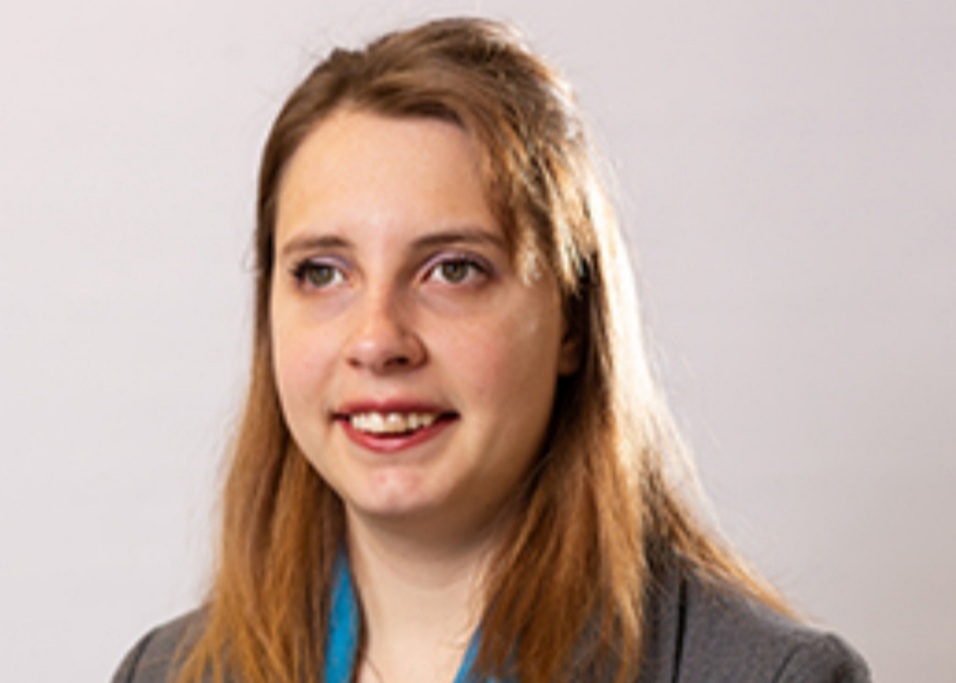
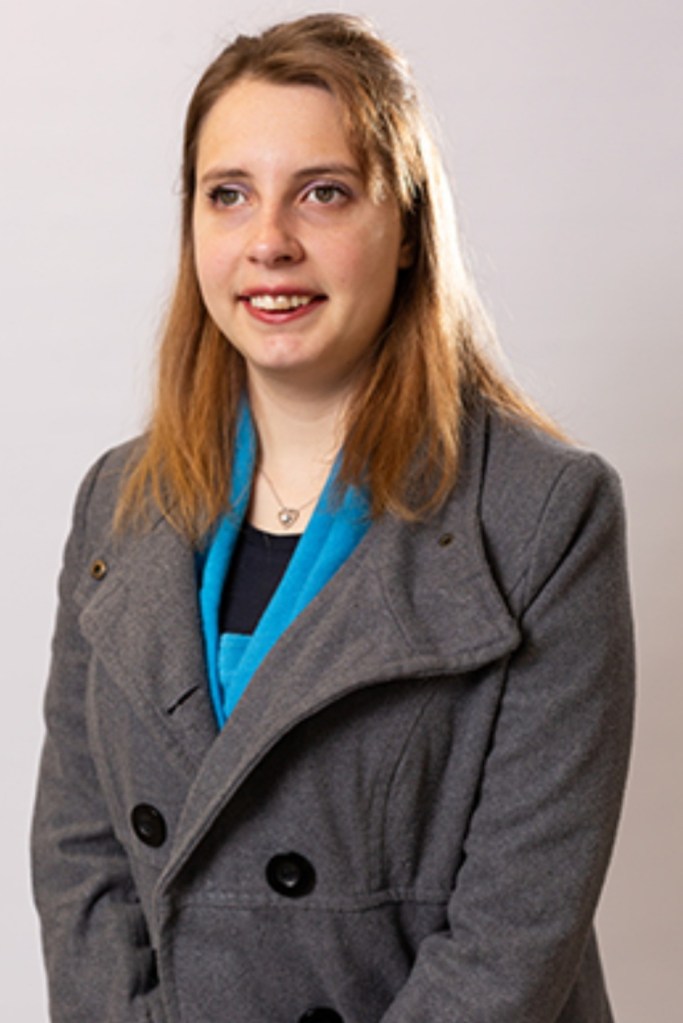
Anel Coetzee

Anel Coetzee, founder of the South African Visually Impaired Community (SAVIC)

Anel Coetzee, the founder of SAVIC, is a legal advisor and a former attorney. Her journey to finding her niche has been no easy feat and was fraught with tremendous challenges because of the unbending nature of society to reject that which is deemed different. Her story shows us that with the right support, we can all become contributing citizens of the World and that we should never underestimate the power of the slightest gesture of support as it can facilitate and alleviate the struggles of others as they go about their daily lives.

This is  Anel’s story …

I can feel the cool metal of the railing surrounding my balcony, with my fingertips. I can hear the sounds of moving vehicles and people going about their daily lives, eight floors beneath me. It smells like rain, but for the moment, the sun warms my face, and it is a beautiful day. I know what beauty feels like, I know what it sounds like, and I know it is something that can be experienced by all of our senses, but I do not know what it looks like. In fact, I do not know what anything looks like. In my world, there are only shapes and shadows in which days are either blurred or too bright, with many moving objects and no colours. 

In 1992, I was born in Johannesburg, South Africa with a condition known as Congenital Rubella Syndrome (CRS). It is a condition that occurs when the rubella virus, German measles, in the mother affects the developing baby. There are a myriad of complications associated with CRS but in my case, it affected my retinas.  With damaged retinas and no available cure, I have had to navigate the world depending largely on my other senses.  

Growing up, my childhood was, by all accounts, normal. Apart from some minor adjustments like teaching me to use my remaining senses to accomplish certain tasks, my father, a businessman, and my mother, a teacher, ensured that I, just like my sighted siblings, live an active life. I learnt to ride a bicycle, played hide-and-seek with the neighbourhood children, made my own bed (when I was reminded to), and spent my school holidays climbing trees and swimming in my grandparents’ dam.

Since I could not attend mainstream school with my sisters, I was sent to Prinshof School, a school for visually impaired children. While completing my formative education, I met other children with disabilities who became my friends, for life. However, this educational system, where disabled children are isolated from society and their families, would ultimately become one of the greatest challenges later in my life, because it did not prepare me for life outside the carefully designed and adapted world in which I grew up in.

Through Prinshof, I received a good education, learnt braille and participated in other curricular activities such as the school choir and piano lessons. However, the school did not offer a broad spectrum of sporting activities. With this in mind, my parents decided to enrol me in acrobatic gymnastics after my eldest sister introduced me to it.

With my visual impairment and my love for Barbie’s, I first learnt acrobatic gymnastics through a gymnastic doll. The doll became the tool used to show me how to perform various acrobatic tricks, as I would feel where the doll’s arms and legs were positioned, and then copied those movements with my own body. I practiced this for hours on end and to my astonishment, realized that I was really good at it. I loved walking on my hands, doing back walkovers and challenging myself to what I could do. My introduction to acrobatic gymnastics was “love at first pointed toe” to the extent that I started to participate in competitions, outside of school grounds. Through this exposure. I was starting to become aware that the world was not designed for people with disabilities and that it was up to me to advocate for my individual needs since fellow competitors complained that I was given preferential treatment because the judges pitied me.  It was for the first time in my life that I learnt that perception matters and that it often matters far more than reality.

Consequently, my dance teacher would enrol me without disclosing my disability and the ramification of this was that I could not ask for reasonable accommodation. Thus, prior to the competition period, my parents would take me to the location of competitions to teach me the layout of the stage and to show me where the judges and the audience would be seated. Determined to prove my naysayers wrong, I put in a lot of effort and practice. Finally, in 2002, at the age of 10, I won the South African National Acrobatics Championships in my category, where I was one of approximately eighteen participants, but the only dancer with a disability.

In 2010, I matriculated and decided to pursue a career in law. I registered for a LLB degree at the University of the Free State and in January 2011, my mother and grandmother dropped me off at campus, a five-hours’ drive from home. I was super excited about the new adventures that lay ahead and was eager to start my university lectures.


At 18 years of age and having already experienced my fair share of discrimination and bullying, I thought if I left my white cane at home (which Mom later sent to me within my first month of arrival. What was I thinking right?) and pretended to not have a disability, I would have a better chance of blending in with the crowd and making new friends. But alas, 2011 was the year that I realized how dismally my country has failed me by not providing inclusive education. All of a sudden, I went from a classroom of five learners to a lecture hall of 500 students, with no reasonable accommodation.

Campus life was a challenge as both lecturers and fellow students had no idea how to accommodate or behave around a visually impaired person. Neither did I receive the appropriate orientation and mobility training to navigate the campus. There were also many other disabled students and a limited capacity to timeously convert my textbooks into braille. In most cases, I did not receive my books in time for test and exam preparations and had to write from knowledge acquired during lectures. I subsequently failed my first year and  when I started over, in my second year of university, I started to learn how to use a computer and screen reader and switched from braille study materials to electronic study materials (e-books), which were not very popular at that time.

For most of my able-bodied peers, living in residence with me, the prospect of attending university, was exciting, and their biggest concern was coping with an increased course load and not being awoken by the early morning calls of their parents. As a disabled person, I had to contend with a lack of accessible study materials, a lack of awareness, inaccessible lectures and having to learn to cook for myself and doing my own laundry. It was overwhelming, and the volume of work which included study guides, textbooks and case law was more reading than I have ever done but I pushed ahead.

During the period of my studies, I have acquired so much knowledge on legal subject matters  but the most valuable lessons I have learnt were about myself. On countless occasions, I have wandered unknowingly into male lavatories, approached store mannequins for assistance, walked into doors and knocked over spectacles from people’s faces trying to feel for a seat on trains. I am no stranger to embarrassment and the older I get, the less these incidents hurt my pride. Although I did not blend in and still experienced bullying and ignorance, I chose to not let the actions of others define me. I went on to graduate with an LLB from UFS and completed my articles of clerkship before becoming a practicing attorney.

Securing a job after the completion of my studies was extremely difficult because I was blind and without a driver’s licence. When some of the law firms realized I was visually impaired, I was instantly rejected after initial consideration. Eventually, I was employed by a law firm in Johannesburg and gained valuable experience, but the career path was very taxing as I constantly had to prove myself to clients. Most of my colleagues knew I was capable and competent, and with their guidance and mentorship, I was able to accomplish my tasks, attend meetings and prepare for and appear in court.   However, the unfortunate reality was that most of my working time were spent with strangers and because I am a disabled woman, I was deemed incapable and was treated with condescension.

As an attorney, is it integral to have a good clientele but as a blind attorney, it was difficult to build up a clientele. After five years in practice, and with the firm’s helpful transition from an archival filing system to a paperless system, I reached my personal goals through hard work and consistent effort and was, by society’s standards, successful. Successful, but not happy … I thought that after becoming an attorney, I would finally receive the respect that I have always yearned for as a human being, living with a visual impairment, but despite my accomplishments, that were recognized, I was never fully regarded as an equal. It was a mental health struggle, for me, and time for a change.

In due course, I found work as a legal advisor at a company that tremendously improved the quality of my life, because for the first time, my abilities mattered more than my disability. I am not a visually impaired legal advisor; I am a legal advisor that is competent, capable and hardworking. I am seen as an equal, functioning individual of the greater society. Fortunately for me, this is my current path, but not many disabled individuals can say the same. They continue to walk a path, in society, that praises them when they succeed in a world that is not designed for them yet fails to accommodate them with opportunities to integrate and contribute. Societal barriers are the greatest hurdle for disabled individuals to overcome and through first-hand experience, I can vouch that if disabled individuals are surrounded by people who actively remove these societal barriers, then their disability will not be an issue.

While I enjoy my career and the challenges it presents, my heart will always be with the disabled community. When I am not at work, I spend my time creating awareness, along with my canine companion, on  disabilities but particularly on visual impairments and guide dogs. I share my story in the hopes that it will encourage disabled people to step outside of their comfort zones and reach for their dreams. I also try to destigmatize the myths and misperceptions on disabilities.

For many years, I have felt that the visually impaired community is disconnected and that although we face similar obstacles and challenges, we tend to waste our time and resources by trying to solve our problems, individually. As a result, I started to research practical and accessible ways  that would unite the visual impaired community. 

Earlier this year, in 2022, I launched an online platform, called the South African Visually Impaired Community (SAVIC) on Discord. The purpose of SAVIC is to create a single platform and sense of community where visually impaired  South Africans can find all the resources available to discuss the different career paths chosen, to provide information on employment and bursary opportunities and to share insights on accessible living. SAVIC is a resourceful community, consisting of 41 members, with a lot of expertise. Currently, we host events on topics ranging from access to justice, accessible traveling and new technologies. Going forward, my vision for SAVIC, is that it can be used to identify and rally, as a collective, against instances of discrimination. We are looking to expand our networks and have created a Facebook group that is open to any interested visually impaired person, and their families.

I may be classified as disabled, but I am more than that. I am a sister, a friend, a partner, a professional and an animal lover. My lack of sight does not define me in these roles. My disability moulded me into a resilient and empathetic person, it taught me patience and to find the humour in every situation, but it will never prevent me from living a fulfilling life.

If you are interested in learning more about Anel or would like to get in contact with her, please reach out via her Facebook page, Life after blindness or email her at coetzee.anel@gmail.com. If you are visually impaired and would like to know more about SAVIC, you can join her Facebook Group, SAVI Community.
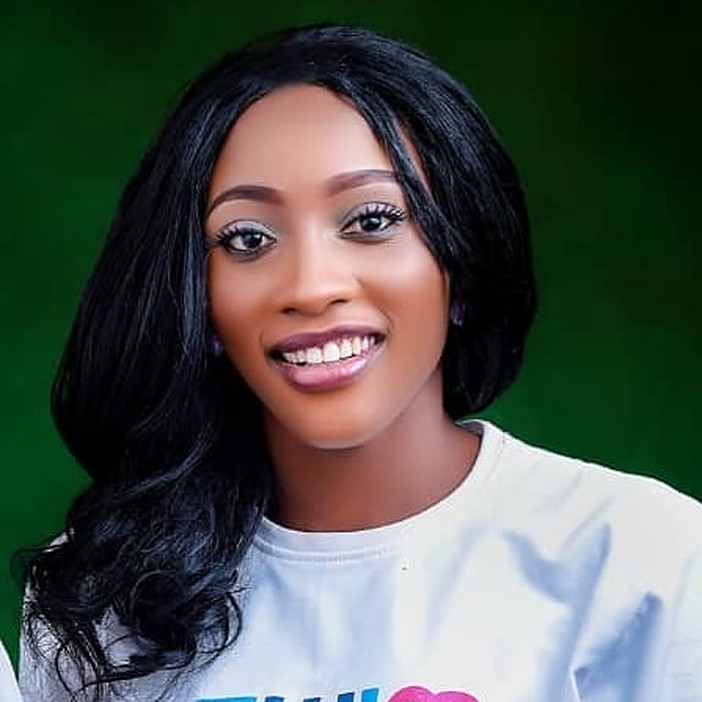
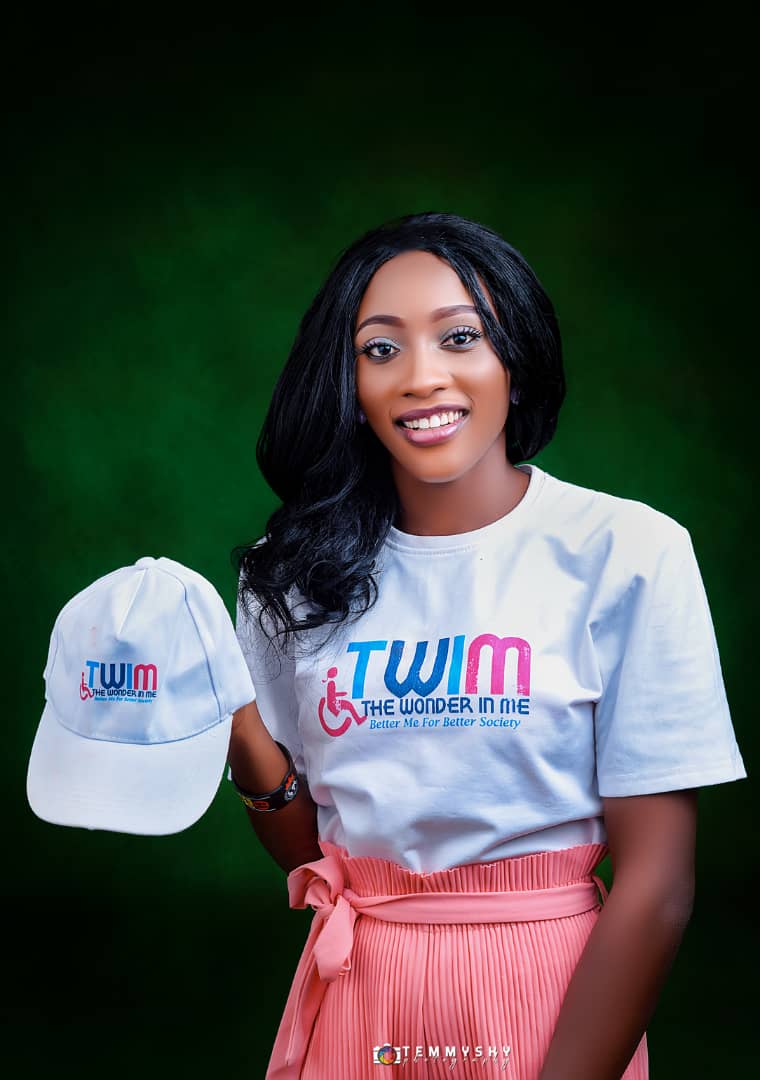
Rachel Affiong Umoh

Rachel Affiong Umoh, founder of The Wonder In Me (TWIM)

Rachel Affiong Umoh is a driven and ambitious young woman. She is a compere, has her own West African pidgin YouTube Channel called Psyche Special TV, which focuses on mental health wellness and special needs, and is a qualified psychologist with a passion to help the most vulnerable within her society.  Her story shows us that the dreams we have may not always evolve as we anticipated but that we need to rise to the challenge that is presented to us because oftentimes, the challenge is the key to achieving our dreams.

This is Rachel’s story … 

Prior to my birth in Kaduna State, Nigeria, my parents both emigrated separately from their respective Yoruba and Ibibio states in the South of Nigeria before meeting, marrying, and raising their three daughters, of whom I am the eldest, in the North. We grew up culturally aware of the different tribes in our families, switching easily between speaking Ibibio in Akwalbom State and Yoruba in Ogun State, when visiting our extended families. Being born into an intertribal family has been, and still is, both a source of pride and honour for me but it has also made me attuned to and impacted by the tribalism that is rife in Nigeria.

As a minority tribe in the community where I grew up in, certain access and privileges were denied not just to my family but also to certain other tribes. We were deprived of free mosquito nets and COVID-19 pandemic palliatives, denied applying for vocational training programmes and poverty alleviation incentives, such as agricultural loans and business grants, that were provided for by the government, but which were locally administered. Through the local management of such programmes, we were never timeously informed or even allowed to participate in such incentives. Recurring stigmatization and discrimination, both historically and presently, of tribes over the hierarchical access to privileges, at grassroots level, often causes rising tensions which leads to communal and tribal clashes and inter-religious conflicts in both Northern and other parts of Nigeria.

Growing up and witnessing such forms of oppression, injustices, and corruption within my region and across Nigeria and having seen, first-hand, the adverse effects it often has on the most vulnerable groups within our society, moulded my perception of the unfairness of the World surrounding me. It motivated me to want to become a lawyer and solicit for the rights of the vulnerable and the violated, to be able to provide them with the adequate support to live independent and self-fulfilling lives

As a top achiever and having been elected as the president of the press club and debate club at secondary school, I applied to study law at my chosen university in the hopes of fulfilling my childhood dream. However, despite my excellent academic record, I was denied admission because my parents did not hold high-powered positions in the country. My mother is a teacher, by profession, and a serial entrepreneur, while my father is a civil servant, but they were not connected to the crème da la crème of society, and this affected my prospects of becoming a lawyer. It felt like a gross injustice but an accepting reality and with this in mind, I proceeded to change university and course with the aim of studying mass communication because I felt that I can still advocate for the rights of the most vulnerable but using a different tactic, mass media.

However, while I was accepted to study at the next chosen university and passed the qualifying exam to be admitted into the mass communication programme, when I received notification of acceptance, I discovered that instead of being admitted into the chosen programme, I was assigned to study psycho-social rehabilitation. While this may sound confusing to others, this is the norm across Nigerian society; you may apply for one course but might end up getting admitted to another course (that you never even chose as a second option!) but we take this either with a sense of humour or a pinch of salt.

Hence, my parents encouraged me to accept studying psycho-social rehabilitation, which would certify me as a psychologist, as God’s Will for my life and with this in mind, I made the intention to commit myself to this course chosen for me although I was, at the time, not happy with the choice as psychology was all new to me. However, I was pleasantly surprised because as I learnt more about psychology in the first few weeks after the commencement of the programme, I realized the level of impact I can leave in my wake with the exposure, skills and training I would receive during my studies. It made me realize that my childhood dream of advocating for women, displaced persons and the special-needs can still come to fruition through the tools of psycho-social rehabilitation. I took to learning with zest and learnt as much as I possibly could on rehabilitation, social violation cases, HIV testing and counselling and volunteered at relevant non-governmental organizations including a 6-month working stint at Kaduna State Rehabilitation Centre and a one-year compulsory internship at the Department of Social Welfare at a general hospital in Kaduna State. The theoretical and practical exposure has been tremendous, and I eventually qualified as a psychologist in 2020.  

It was during my final year of studies that I reached out to individuals within the rehabilitation and counselling sector to form a team and established a non-governmental organization, The Wonders In Me (TWIM). TWIM is a state-registered advocacy organization driven by the mission of a “Better Me For Better Society” and the belief that mental health wellness and inclusiveness is integral to a well-balanced and functioning society. While we advocate against the stigmatization and discrimination of persons with special needs, we have also ensured that 50% of our organization’s executive members and 50% of our volunteers constitutes persons with special needs. Thus, with the current 20 executive members, on board, and 100 volunteers, half of this number represents persons with special needs.

We advocate in communities, at schools, rehabilitation centres, internally displaced (IDP) camps, prisons, and other relevant organizations. The organization’s activities includes both social media campaigns and event hosting. For the past two years, we have launched mental health clubs in 20 secondary schools across Kaduna State, provided relief support to IDP camps, orphanages and rehabilitation centres and donated wheelchairs, crutches and braces, special education training materials and other rehabilitation aids to rehabilitation centres and special education schools. We also organize training programmes for staff on the proper use of modern-day rehabilitation services for children with sensory impairments and learning difficulties and host outreach awareness programmes, which includes guest speakers and key stakeholders. The long-term vision and current challenge are to get TWIM nationally registered and to establish our offices so that we can offer counselling and rehabilitation services to more individuals and expand on the current work that we do.

I am often asked what triggered my interest in advocating for special-needs as I am not a special-needs individual, but the truth is I am part of a minority tribe within my community, and this has deepened my insights into their sense and reality of not being included and having access to an active society. Thus, I would never want any special-needs individual to ever feel like they do not belong or cannot participate. Furthermore, the beauty of having grown up in an intertribal family is that it has granted me the understanding into different worlds that may, in other instances, view each with disdain or hostility and the truth is the spheres within which special-needs and able-bodied individuals navigate tend to be two different worlds. It is important to realize that irrespective of our tribal and religious affiliations, our nationalities, our abilities, or limitations, we are all the same. We are all human and it is important that we represent or provide the vulnerable and the violated with opportunities and platforms to be represented not because of their weaknesses but because they are capable, strong, and willing to participate in society that sadly, often, forgets them. It is important that we reach within ourselves and find our humanity and work together towards a world that can represent all of us and not one at the expense of another.  It is this passion that drives me, despite all my personal and professional challenges, and no matter the hurdles, my story is proof to every African woman that giving up on your dreams is not an option. Keep on striving for your dreams and utilize every opportunity that presents itself to you because all the small steps you take in your journey will lead to greater strides.

If you are interested in learning more about Rachel or would like to get in contact with her, please reach out via her Facebook page, TWIM “The Wonder In Me”, or email her at rachelumoh3@gmail.com or thewonderinme262@gmail.com

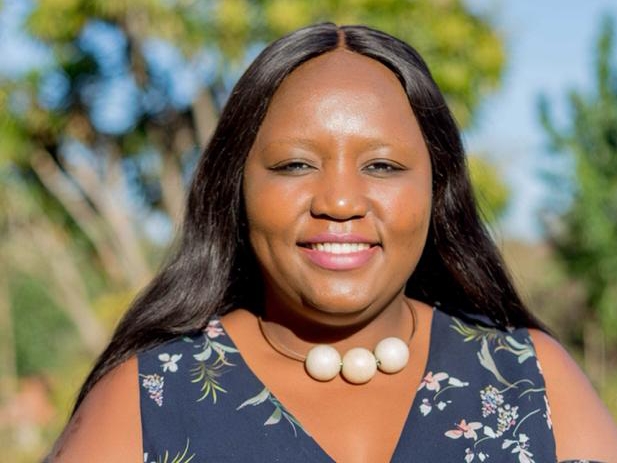
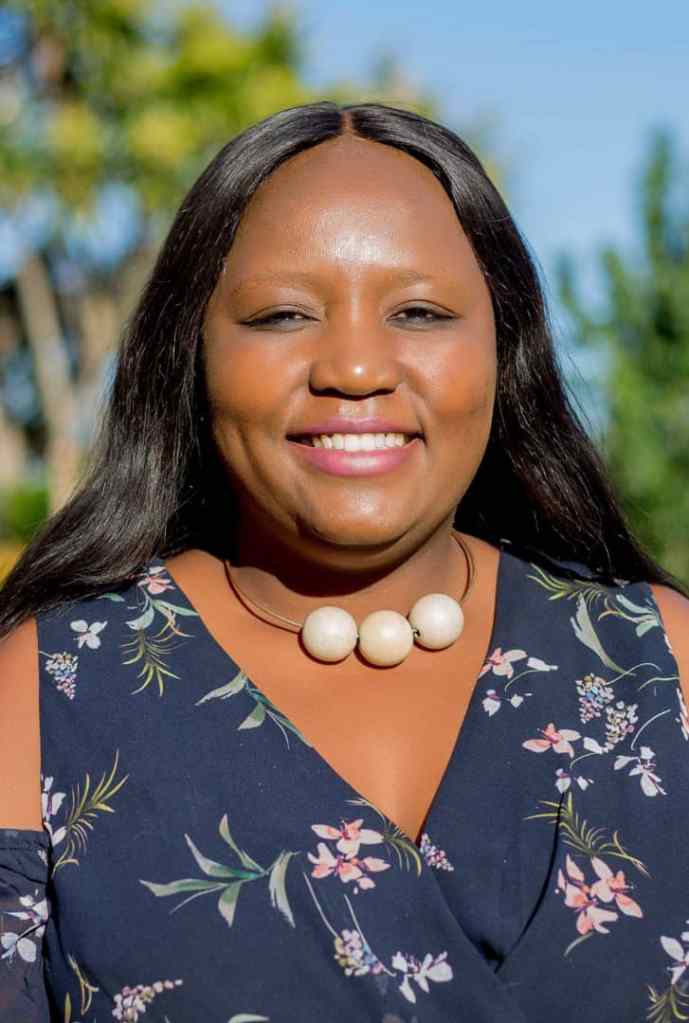
Sylvia Sanyanga

Sylvia Sanyanga, founder of The Nate Foundation

Sylvia Sanyanga is a strong, endearing, and innovative woman who has sought a solution in every challenge. She is a proud mother of three young children who has been hailed for her dedication to service. She has been awarded both the Outstanding Community Pillar and the Local Community Based Organization ZCN Awards by the Zimbabwe Community News Network, in 2020, and is also a 2019 Finalist Nominee for the UK Creativity and Arts Awards for Best Event Organizer and Best Community Leader. Sylvia’s story shows us that the pains and struggles that Life present to us are not there for the sake of destroying us but are there to make us cognizant of the needs within a community and to awaken us to our purpose to serve others within that need.

This is Sylvia’s story…

Growing up, as the eldest of three siblings, I was always close to my mother. Everything she was as an individual was what I aspired to be and everything I have achieved since, has been through her undying love and support for us as children. We were, and still are a very close-knit family even after her unexpected passing in January 2021. Her death has hit us hard but her exemplary life; her involvement in the Ministry, her establishment of the Institute of Healing of Memories branch in Zimbabwe, her hospital visitations to the sick and needy has inspired us to continue her legacy of selflessness, compassion, kindness, and God-consciousness. We are because of her and I am because she is.

Since I had such a wonderful relationship with both my parents and seeing the sacrifices, they made for us as a family, I naturally aspired towards having my own family and after meeting my husband, Eddie, I became a mother to my first and only daughter, Natasha, at the age of 25. As a young mother, and from a family of no health complications, it never occurred to us the challenges that lay ahead.  When Natasha was born, she seemed like a perfectly healthy baby girl, even to the doctors, but five years later and through many assessments, she was diagnosed with a hereditary condition called Fanconi Anemia, after experiencing bone marrow failure. It was then discovered that both my husband and I have the recessive gene, and this was a total shock. It was a very confusing and difficult period for us to have to not only discover that it is genetic but to also see our daughter suffer because of this condition.

As time went by, my husband and I started to learn more about Natasha’s diagnosis. Fanconi Anemia is a rare and life-threatening illness and is the most common variant of a disorder called Aplastic Anemia. Fanconi Anemia affects the bone marrow and its inability to produce bone marrow stem cells which in turn produces all types of blood cells that are responsible for the reparation of damaged cells within the body. When an individual’s body does not produce white blood cells, the body cannot fight infection, the red blood cells cannot provide oxygen to the body and a low platelet count cannot stop bodily bleeding. The symptoms of Fanconi Anemia range according to age and person from growth deficiency, abnormal skin pigmentation, unexplained fatigue, easy bruising, nosebleeds and leukemia or solid tumors. However, some children born with Fanconi Anemia, do not show physical signs of Fanconi Anemia and therefore no one could determine anything out of the ordinary with our baby girl. 

After Natasha’s diagnosis, in 2013, we were advised that she needed a bone marrow transplant. Quite sadly, there was no medical institution in Zimbabwe that could perform bone marrow transplants and there still is none. As we conducted further research, we discovered that not only was a bone marrow transplant a life-threatening procedure, but it is also very expensive one. It was a very difficult and stressful period for us as a family because we did not have the resources to give our child the best treatment available, but my husband and I decided, to walk in faith and, that we were going to do everything within our power to give our daughter a fighting chance.

Since Zimbabwe did not have the available facilities, and South Africa was too costly, we then shifted our focus beyond borders, to a cheaper option, and found India to be able to assist with our daughter’s condition. We began a fundraising campaign to raise US$100,000 which was required for the bone marrow transplant (US$45,000 for the transplant, US$35,000 for the donor and US$20,000 for airfares and living expenses in India for the entire family for six months). With only two days before the scheduled day of departure to India and having raised only US$23,000 we later received incredible news that an anonymous donor paid for the full transplant cost and was ready to pay US$35,000 if any of us were not a match for Natasha. They also advised us that we could use whatever we had raised for travel and living expenses while in India. It was an absolute miracle!

As a family, we travelled to India. Both my husband and I were not a match for Natasha but our 3-year-old son, Raymond, was. Raymond is our miracle child; he was born perfectly healthy despite Fanconi Anemia being a hereditary condition and us as parents having the recessive gene. Raymond was the perfect match for Natasha, and she received her life-saving treatment without any major complications. As parents, it was never easy to ask Raymond to be his sister’s keeper, but we took that decision as a family because by the end of it all, family is everything to us.

While the operation was a success, the bone marrow transplant does not cure the sufferer of Fanconi Anemia, but it extends their lives beyond the life expectancy of 18 years. As a mother, it does not matter if the doctors say your child has 18 years to live or 40 years to live. As a mother, you will give your child everything that you can to give him or her the best chance at Life, no matter what. I felt that God has bestowed us with this privilege of raising a special child and to treat this Gift of Life with the greatest honor.

In 2015, two years after Natasha’s successful treatment, we were gifted with our third child, Nathan. Nathan, which means God’s Gift, was also born with Fanconi Anemia but unlike Natasha, Nathan was born with physical deformities, which made it easier to detect. His physical deformities included bilateral club hands, an absent radius, no thumbs, an absent right kidney, and severe hearing loss. When he was only two months old, he had to undergo surgery as he had a right inguinal hernia. At six months old, he had corrective surgery to centralize his right hand and one and a half years later, when he was 2 years old, he had another centralization for his left hand. The corrective surgeries would have cost us US$40 000 but were performed pro bono by a team of plastic surgeons from the University of San Francisco that were based in Zimbabwe. We are forever indebted to this amazing team for their selfless contribution because ever since then, Nathan has had full use of his hands and is a thriving and budding artist.

In 2018, when Nathan was 3 years and 6 months, his bone marrow failed, and we once again required a bone marrow transplant in India with Raymond pulling through for us once more. However, there were complications that came with the surgery. Nathan endured numerous infections such as a terrible adenovirus (a common virus that causes a range of illness and cold-like symptoms), a graft versus host disease as he was a haplo-identical match (with his brother Raymond), and had to be in ICU (where at one point we were told to prepare for the worst).

All through this, and my children’s struggles, I was also battling with my own issues. In the years since Natasha’s birth, I have suffered from cysts and adenomyosis. While Nathan was undergoing his treatment in India, I was in severe pain with the growth of a cyst. As a mother tending to a sick child, I put his health before mine and that nearly cost me my life. The growth became life-threatening, and I ended up having to undergo surgery, in India. I also suffer from fibromyalgia, a rheumatic muscular condition which leaves me in constant pain and discomfort.

However, as a mother my pain means nothing to me if my children are well-adjusted and happy. I have and always will put them before me, and it gives me the greatest pleasure to see how full of life and resilient they are. Natasha, Raymond, and Nathan are my life’s greatest joys, and they are in good health, are doing well in school and continue to inspire so many people, both young and old.  

Eddie and I went through the most difficult times, watching our children Natasha and Nathan go through pain, particularly with the side effects of chemotherapy that came during their bone marrow transplants. We moved around with a begging bowl, I slept on the floor in general hospitals because that is what you do if you are the primary caregiver, I have had sleepless nights and medical bills piling up because of their condition while having 8 major surgeries of my own. I have been to some of the best hospitals and some which have left a lot to be desired. I have experienced the agony that a parent goes through and the stress that comes when the treatment required is way more than you can ever afford, even if you sold all your possessions. I have been in that place where all you have is hope and faith because your loved one is so ill.

Following our ordeal, Eddie and I agreed that no parent should ever have to go through what we went through, so we founded and registered The Nate Foundation, a non-profit organization that supports children with Aplastic Anemia and related conditions. We also established a subsidiary crowd-funding platform, called Raindrops, to help and assist parents with children suffering from other health conditions that are not related to Fanconi Anemia or Aplastic Anemia.

However, within The Nate Foundation, our support extends beyond fundraising for Aplastic Anemia. We provide psycho-social support to children with Aplastic Anemia and their families and/or caregivers. We also work together with medical personnel in our country to raise awareness of Fanconi Anemia within Zimbabwe and have been able to assist by sending over 6 children to India to receive bone marrow transplants. Over the years, we have assisted patients in countries such as South Africa, Kenya, Zambia, and Nigeria and approximately 20 children have been recipients of The Nate Foundation.

We have done this work with minimal donor support as our government and most people in our country have a limited financial capacity to assist. However, we are excited to announce that we recently received, in August 2021, our first ever grant of US$10,000 from the US-based Fanconi Anemia Research Fund. This huge show of support will ensure that we continue to raise awareness of Fanconi Anemia and provide support to patients, their families, medical personnel, and health facilities.

We also established a special needs preschool called Caterpillar Clubhouse, when we had difficulty in finding a preschool that would accept our son Nathan. Caterpillar Clubhouse is open to all children with various special needs and fosters inclusive learning in mainstream school. We offer a safe and developmentally appropriate environment in which our special children can learn, with a focus on making learning an enjoyable experience for them and to inculcate in them the ability to become lifelong learners. Caterpillar Clubhouse is a self-funded endeavor that charges US$25 per month, per child, and so far, 80 children have entered and left our school grounds and gone on to successfully integrate into mainstream schools with Caterpillar Clubhouse currently hosting 33 children.

Nothing ventured comes without its challenges, but we have been called to serve, and diligently we shall. In addition to continuing our current work, we want to expand by establishing an Aplastic Anemia Treatment Centre, with a bone marrow unit, a learning center for children with special needs, research facilities and a resource library. Our journey of a thousand miles began with one step.

When we count our blessings, we count our children twice. It is such an honor to have beautiful, brave, and loving children and they have taught us so much. The biggest lesson we learnt is that no matter what life throws at you, stand up and fight. There is a blessing in the storm. When we started our journey of a thousand miles, who of us knew that our story of pain and struggle would turn into a tale of beauty and service to others?

If you are interested in learning more about Sylvia or would like to get in contact with her, please reach out via her Facebook pages, The Nate Foundation or Caterpillar Clubhouse, or email her at svsanyanga@gmail.com

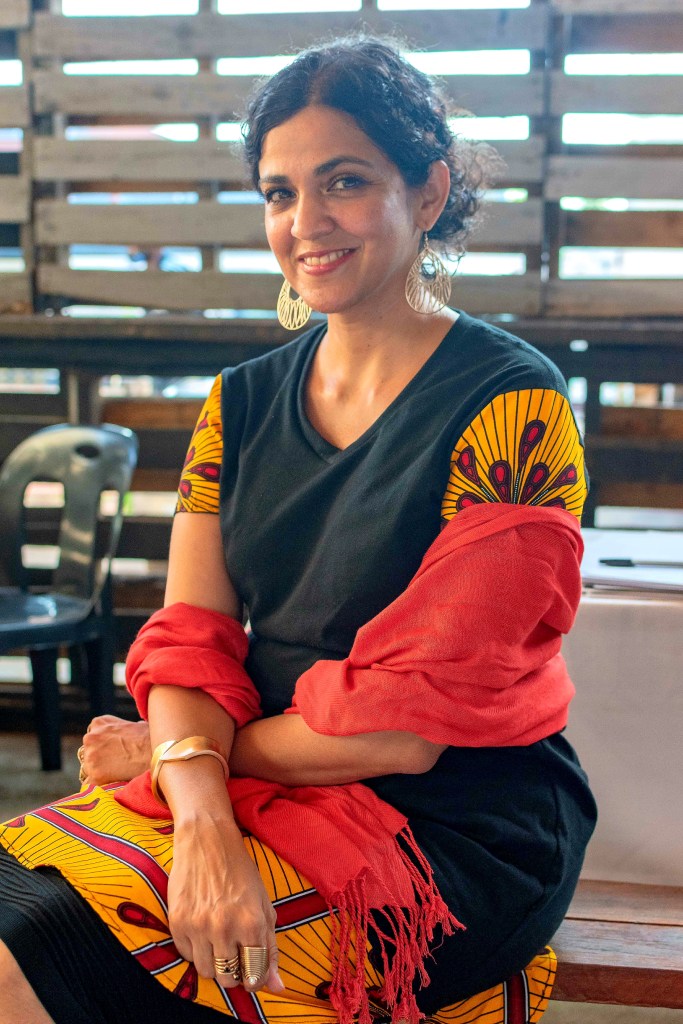
Suraiya Essof

Suraiya Essof, founder of Kites for Peace

Suraiya Essof was named one of the 20 Most Outstanding Zimbabwean Women by The Guardian UK in 2020. She is a tenacious woman who, in spite of her health challenges, has become very influential in bringing together communities, businesses and social networks. Her knack for networking and the ability to create opportunities has seen her social innovative work being recognised and awarded, both locally and internationally. Social entrepreneur, mother, wife and businesswoman are of the many ways in which one can describe her but most importantly, she is proof that to create change, we need to turn inwards before we can power outwards.

This is Suraiya’s story…

I was born in a small mining town, Kwekwe, in the middle of Zimbabwe to a second-generation Zimbabwean father and a South African mother; the youngest of four girls. At the age of 10, I was diagnosed with Type 1 Diabetes. It rocked my family and, in the 90s, with very little access to information, it was indeed a very confusing time. Stories that I would be blind by 30 and an amputee a few years thereafter really got me into a mindset where I felt that time was limited. Likewise, my parents were amazingly proactive; they subscribed to foreign publications of Diabetes magazines and wrote letters and ordered books, just to educate themselves, my siblings and me. Their efforts brought light to my situation and with it the hope that I was not doomed to die a painful, undignified death that had been described by well-meaning yet fearmongering people.

Still, it was difficult. Diabetes is a tight rope of managing your blood sugar levels by finger prick testing several times a day, four insulin injections daily, monitoring what you eat and in what quantities, and making sure you stay active, but also not too active. Managing stress is also a huge part of diabetic care. As a preteen and then a teen at boarding school, I had to contend with stress and anxiety levels that came with trying to negotiate studies, relationships, teen angst, boarding school, autocratic matrons, bullies and a life-threatening condition. Three months before my O level exams, I slipped into a coma due to diabetic ketoacidosis. However, I did well in my exams, but not “well enough” to qualify for a white blazer (a status in Zimbabwean schools associated with being a straight A student) and to fill the big shoes that had been left for me.

I was perceived as an underachiever and with low expectations of myself, academically; I faded into myself, but started to spark socially. Once I reached university level, I shook off the negativity that came with being bullied, was more independent and the world became my oyster.

With internet access and Google, I could get any information I wanted. I started networking, at university and online, to get information I needed for my studies and to help myself and others in various areas. I became a go-to source of information for friends and residence mates. I joined advocacy groups for various causes, co-led fundraisers and through my activism; it expanded my awareness to the plight of others.

The suffering of others can be tremendously sobering, especially when one is self-pitying and is constantly being pitied by one’s own circle. From an oblivious young person, wallowing in my own misfortunes and self-imposed limitations, I awoke to the social injustices that others faced. It seemed futile to feel guilty of my own privilege and of the opportunities and care afforded to me, so I took the initiative and added my name, voice and feet to meaningful causes.

I graduated with distinction, from the University of Johannesburg, with a Bachelor of Commerce degree in Industrial Psychology. On my return to Zimbabwe, I got my first job at a school, where I volunteered to teach a few substitute classes and fell in love with the teaching profession. A few years later, I got married to my soulmate and moved to Harare. I then pursued distance learning and graduated with a Postgraduate Certificate in Education (PGCE) from the University of South Africa while working at a Jewish school for 7 years. As a Muslim who attended Christian schools, being a teacher at the Jewish institution offered yet another perspective to my inherent belief that we are more alike than we are different.

After the completion of my PGCE, my two sons were born, and this again shifted my perspective on the meaning of life and my purpose. As my children grew and my furniture retailing business settled into a rhythm, things came more into focus for me on my path. I decided to follow my dream of uniting communities, teaching peace and spreading the message of kindness, brotherhood and compassion.

In 2014, the year that I embarked on a new journey, I also experienced the sudden loss of my amazing, dynamic mother. There are few words to describe how the death of a loved one impacts your perspective on life. Again, I was more aware of my own mortality and suddenly overwhelmed with the huge responsibility of being a parent myself. Legacy became ever more important to me. What would I leave behind for my children? Had I lived a meaningful life? Have I served others? Did I share? Was I authentic? Would I be a good example? Were the lessons I had left behind be good enough? These questions shaped how I chose to continue my journey.

In the same year, I came across an independent project on Facebook inviting participants to break the world record for the number of kites flown simultaneously. I hosted the event and forty-eight kites were flown in Zimbabwe that year as a part of this initiative. Friends and family picnicked and flew kites. The message was well received; find your joy to find your peace. The world record was broken unofficially the following year, in 2015. That same year, in Zimbabwe, there were calls from the attendees of the previous event to fly kites again; not to break a world record but to celebrate our beautiful environment and to come together in peace on International Day of Peace, 21 September. They scaled the heights of the granite rocks of Ngomokurira and flew bright kites against a stunning backdrop of blue skies and spectacular rock mountains.

With news coverage of the previous year’s festival and increasing interest, 2016 brought a new energy to Kites for Peace. I invited 25 individuals from a WhatsApp group called the Do Gooders to participate in the event. The kite festival had 1000 attendees that year and the following year, in 2017, the number of attendees doubled to 2000! While the initial event was to simply and unofficially break the world record, the subsequent events became a tool of social change.

The Kites for Peace event became a movement that sought to strengthen the ideals that lead to peace. We are committed to the United Nation’s Sustainable Development Goals (SDGs) which we believe are building blocks for peace. In this spirit, and under the Kites for Peace movement, we have engaged over 150 local community charitable organisations to create the Zimbabwe Cares Network. Starting with only 25 at our 2016 event, the Zimbabwe Cares Network is a philanthropic collective of an all-encompassing, community-based and goodwill initiative driven by a shared humanity, compassion, shared vision and a passion to help others. We believe that these organizations are integral to driving social change and use various platforms to network, collaborate and support each other. They meet annually at the Kites for Peace event and use the respective platform to fundraise and raise awareness of their causes. There are currently over 7000 members interacting on our platforms and the impact of this network is immeasurable. Membership for organisations is free and only requires proof of registration. It is coordinated by me and an enthusiastic group of volunteers and is the main project of the Kites for Peace movement.

With increasingly difficult conditions in the country and subsequent increased despair, the need for peace is ever more pressing, and thus the movement for peace has grown in impact, with more people engaging and valuing the need for mental strength, hope and resilience. The 2019 event was held in the jewelled lungs of the city at the Harare Botanical Gardens with a record number of participants and attendees, and in partnership with United Nations Development Programme Zimbabwe. Our 7th event was in 2020. It was an online event which saw more than 20 countries participating, with Kites for Peace festivals held in Tunisia, Nigeria, India, Reunion Island and Zimbabwe.

Through the Kites for Peace platforms, I continue to spread the message of peace and hope and to inspire compassion by highlighting the efforts of the organisations of the Zimbabwe Cares Network all year round. Kites for Peace is a registered organization in Zimbabwe and a registered International Day Of Peace event. It is part of Peace One Day Peace Coalition, a network of global organizations all working towards peace. It continues to grow as a movement for global peace, starting with the individual and inspiring communities to create healthy spaces for recreation and social change. Kites for Peace pledges respect for all life, rejects violence, promotes forgiveness for self and others, promotes goodwill, encourages to uplifts others and help them, to listen to understand and to preserve the planet.

I am driven by my commitment to helping others with support and upliftment through networking and education. I seek to solve the systemic challenges of finding peace in an ever-changing world where economics, politics, climate change issues and the media affects our state of mind.  By promoting inner peace and unity/ubuntu, and through community activism, I aim to change perceptions to drive social change and make us, our communities and the world more productive, purposeful and fulfilled.

I use recreation as a non-intimidating way to approach sensitive issues and to especially encourage children, who are our future policy makers, to become involved in issues that affect individuals, the communities that they live in and the world at large.

I hope that my story will encourage others to have faith in their path, trust their instincts and to truly follow their purpose, even if their purpose is ever changing and their situation is currently not ideal. I believe that no experience is ever wasted and that your path will lead you to your purpose, and ultimately to contentment, fulfilment and perhaps even happiness!

If you are interested in learning more about Suraiya or would like to get in contact with her, please reach out via the Kites for Peace website www.flykitesforpeace.com or email her at suraiya@flykitesforpeace.com