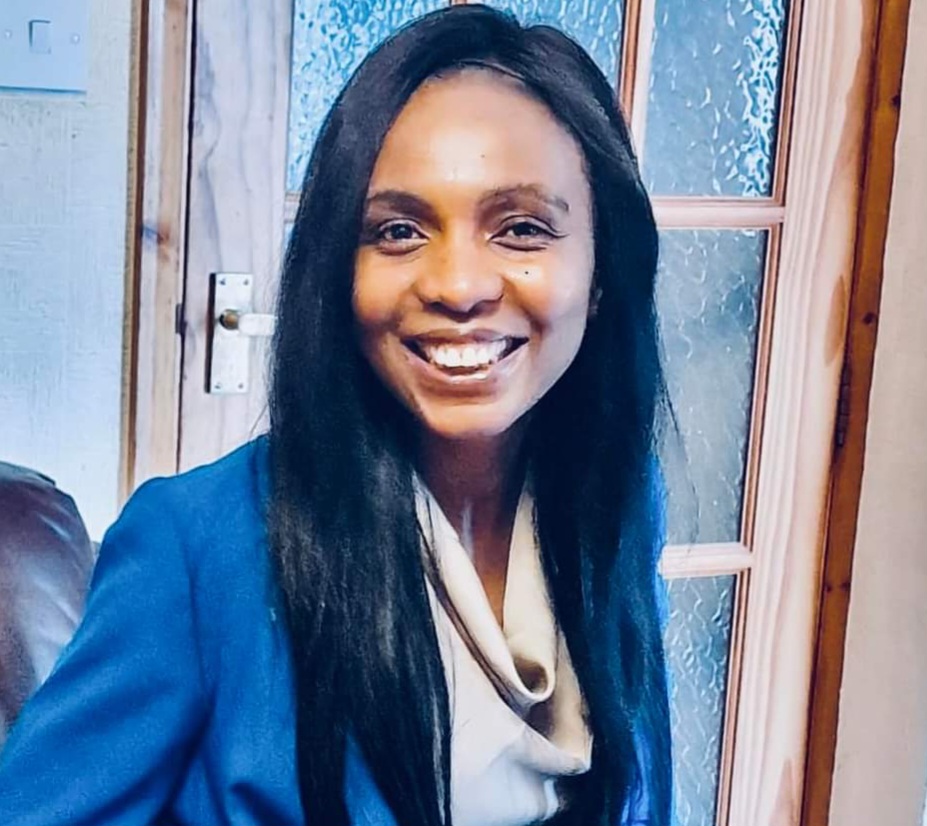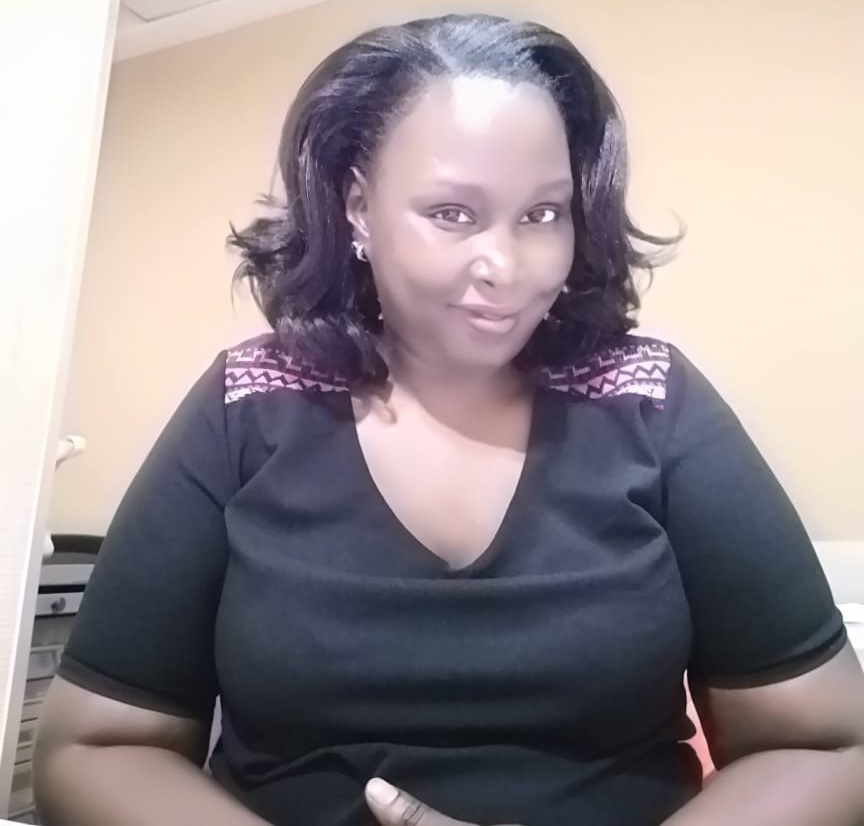
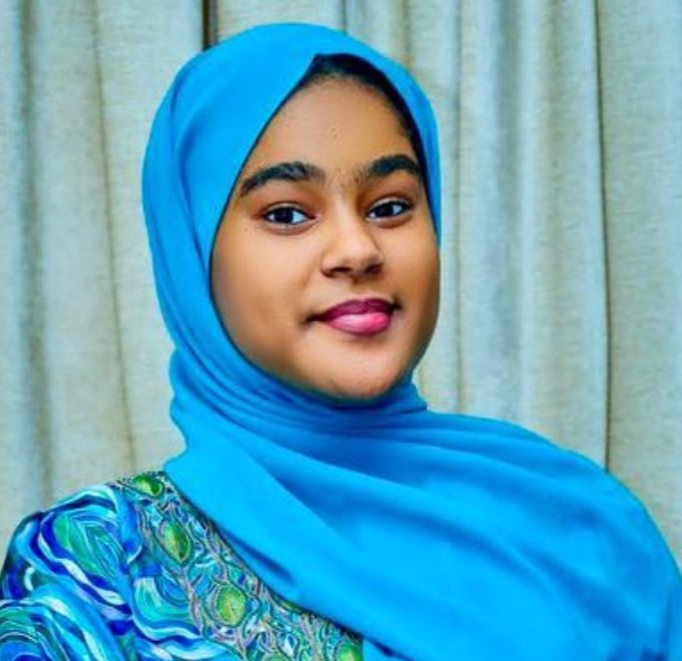
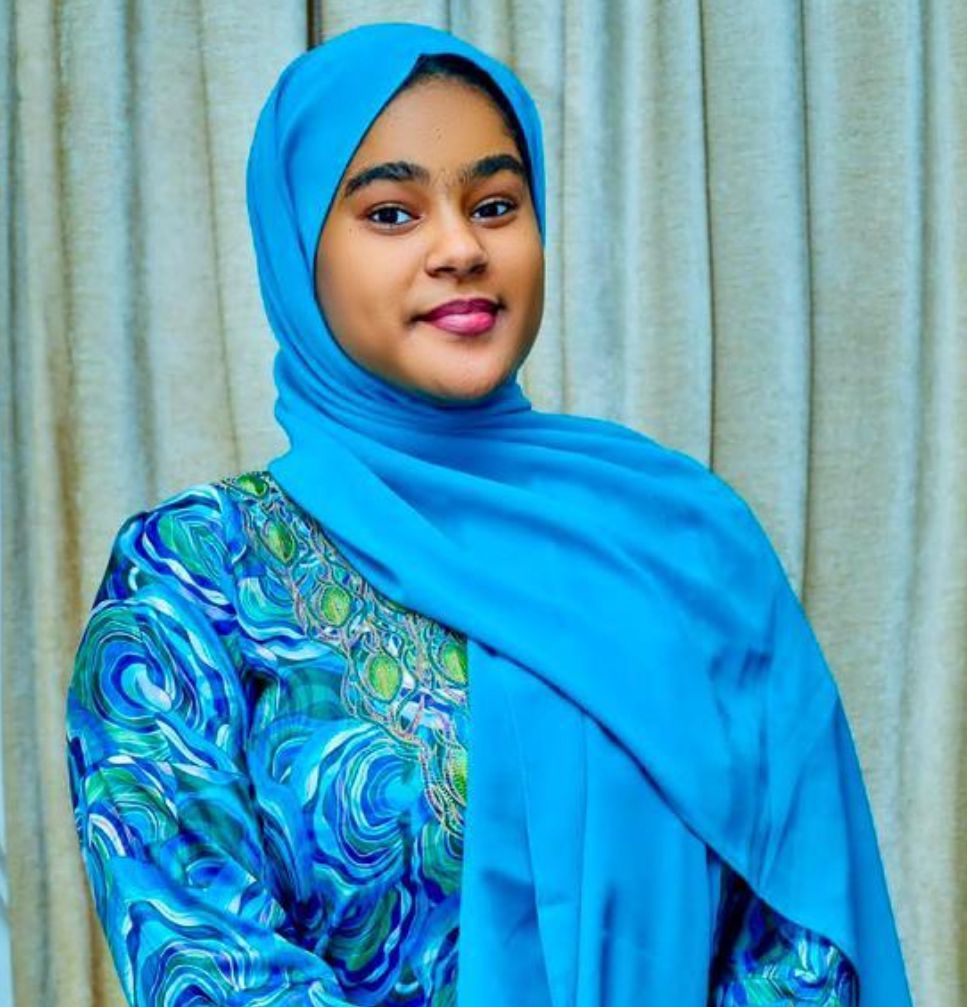
Rahma Abdulmannan

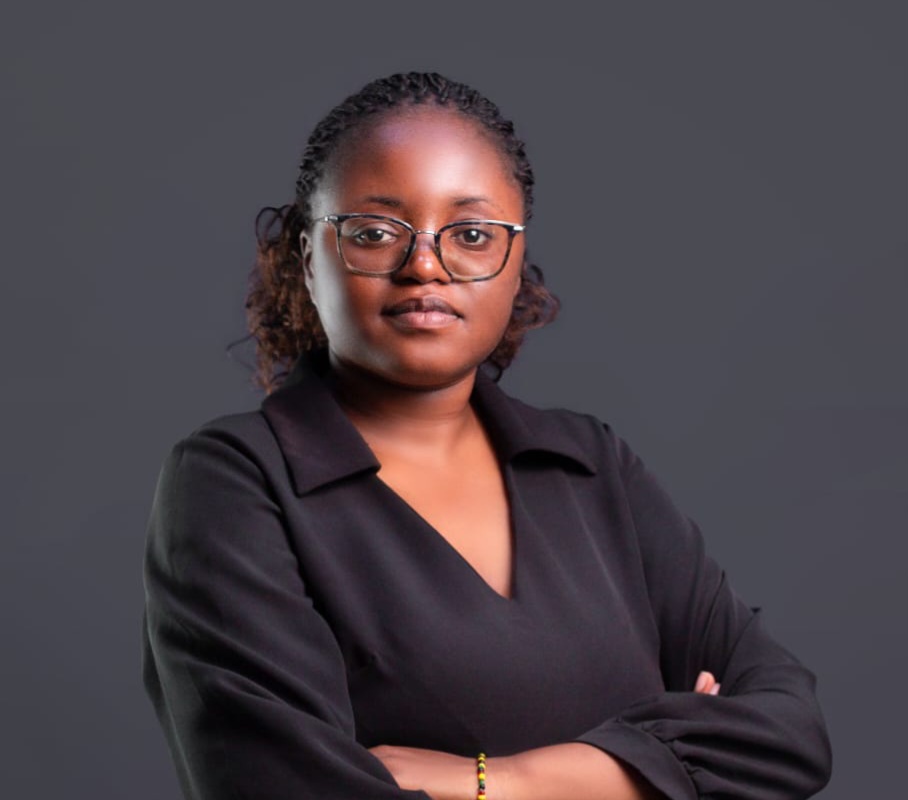
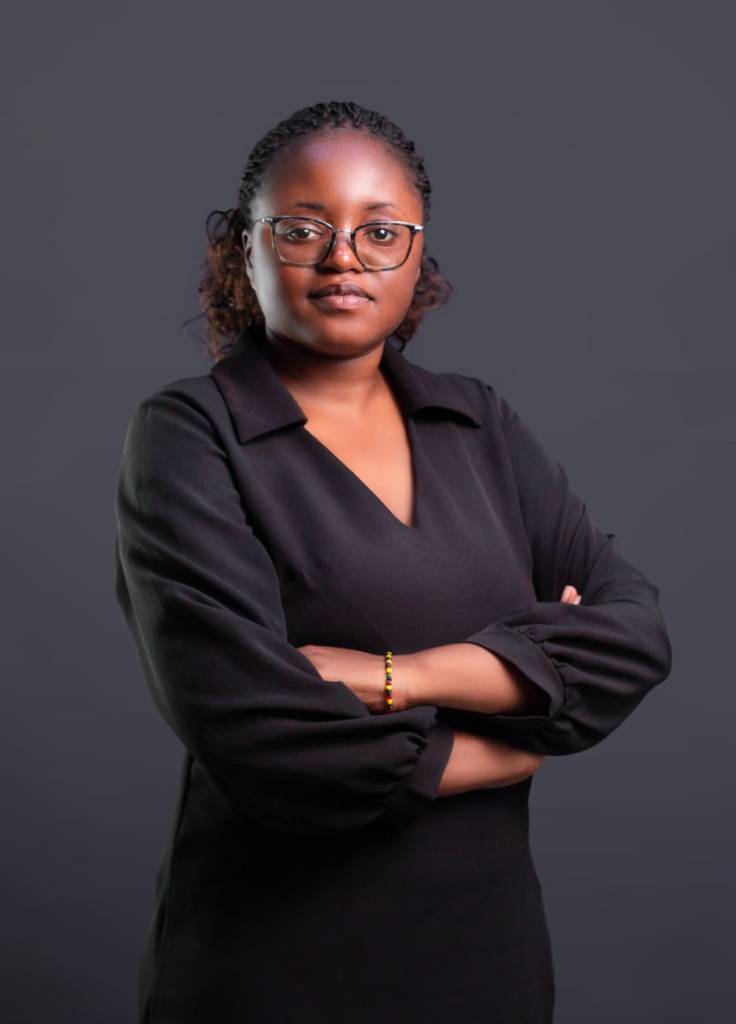
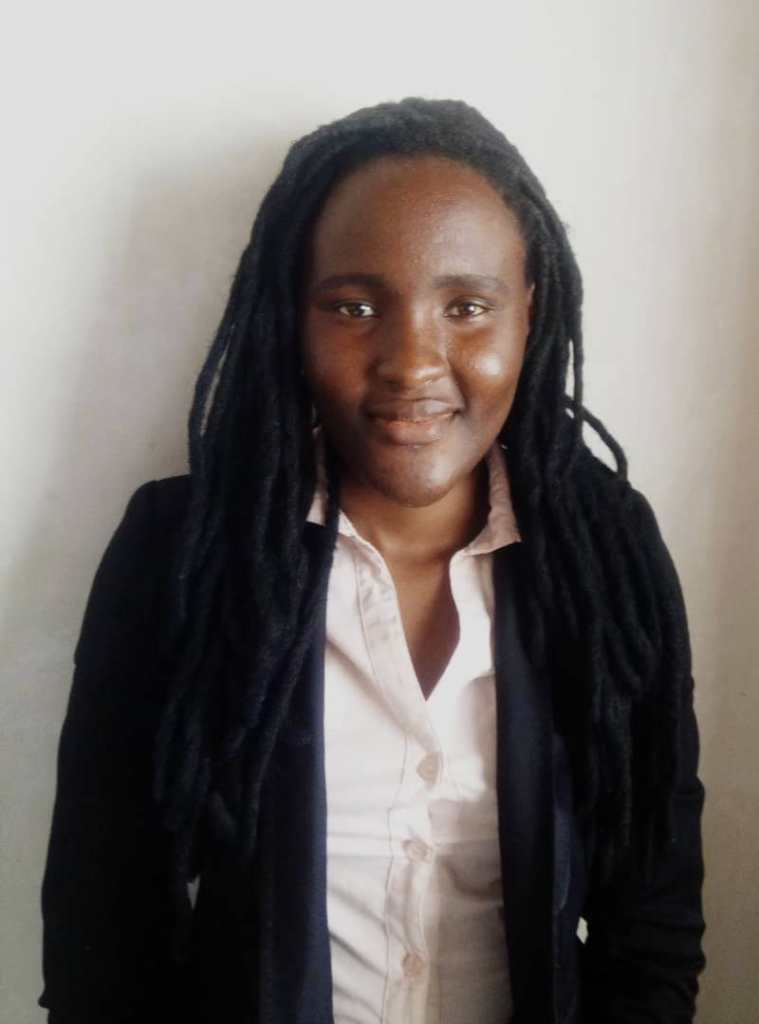
Rahma Abdulmannan, co-founder of Creating Happiness and Assistance Foundation (CHAF)

Rahma Abdulmannan, the co-founder of Creating Happiness and Assistance Foundation (CHAF), and a nurse by profession, is driven by her passion for making a difference in the lives of those less fortunate than her. As a humanitarian and a lifelong volunteer, her area of interest has always been focused on the empowerment of the girl-child and on orphans. Her story shows us that the privileges we may take for granted are not necessarily the reality of those around us and that oftentimes, it takes one person to make the difference in the trajectory of the lives of others and that we should never underestimate the power of the impact that we each hold within our hands.

This is Rahma’s story …

Being born in rural Kano State, Nigeria, a society in which cultural perceptions often dictate the lived reality of girls and women around me, stands in stark contrast to the home environment in which I was nurtured. As a little girl, the third child of five siblings born to a Yemeni mother and a Nigerian father, I have had the privilege of being raised by open-minded parents who were driven by an ethos of religion and not cultural beliefs steeped in ignorance.

Growing up, I always thought that the egalitarian values of my home environment extended to those around me, to relatives, close associates and family friends. I always felt that the treatment of girls and women as second-class citizens was the further reality, the reality of others, confined only to certain spaces within our society even though I was an active part of it as I was volunteering throughout secondary school at various organizations and orphanages. However, the veil of naivety fell from my eyes, when years later, I was preparing to attend university and my father sought out counsel, with his kinsmen, if he should send me to join my elder sister, to study in Cairo, at The British University of Egypt. I was of the former belief that our fellow kinsmen, males I regarded as second fathers, would be supportive of his intentions but alas! Instead, my father was met with disdain, mockery and patriarchal mindsets. They all laughed at my father, discouraging him, and saying that it would be a waste of his resources to continue spending money on me or any of his four daughters. They were clear in their worldview that the purpose of the girl-child is to be married off, to raise a family and to not have the liberty of a career. To their dismay, my father believed that all five of his children, both his only son and all of his daughters, should receive the same privileges and that just because men may have a degree of responsibility over women, in looking after them, did not mean that women should be deprived of their rights. Through the Grace Of God, my parents – both businesspeople – sent me to join my sister in Cairo, Egypt where she was already studying pharmacy and where I was to embark on a BSc Degree in Nursing.

From 2019 to 2024, I studied in Cairo and during semester vacations, I returned home, continuing with tuition classes and my volunteerism. In 2022, during one of these semester breaks, I stumbled upon a fifteen-year-old girl. It was one late evening, while returning home from lectures, when I saw her. Her face was swollen, and she was unkempt. I saw from a distance that she was sobbing but despite being by the roadside in a heavy downpour, everyone looked her way, saw her state, but no one did anything to assist her. After half an hour of keenly observing, I went up to her, saddened by the lack of sympathy towards her and driven by curiosity to assist her. I introduced myself, and asked her to follow me to the nearest possible shelter, since there were no shelters within walking distance, but she refused. After much placating and reassurance, I convinced her that she is safe with me. She eventually relented and we went to the nearest restaurant, where she washed her face and was served food. Upon finishing our meals, I encouraged her to share her story with me and her story was a tale I have heard all too often throughout my years of volunteering. Her story was one of maltreatment, physical abuse and violence at the hands of her own blood, her aunt. Six months prior to our encounter, she lost her parents to a land dispute and since she was the only child of her late parents, she was made to go stay with her mother’s elder sister. Escaping abuse, she ended up on the streets that night where our paths crossed. With all the details on hand, I then took her to the community leader, the next day, where arrangements were made for her better welfare. Fast forward to 2025, she is happier and is in the first year at university. However, not many of these girls have happy endings. There are many girls and women in the rural parts of Nigeria that face innumerable barriers with zero to minimal opportunities to education, employment and healthcare services while having to contend with social issues such as early marriages, domestic violence, rape and unwanted pregnancies.

Coming from a privileged upbringing and with my passion for humanitarian work, I was geared to wanting to be an agent of change within my society. One year prior to meeting the fifteen-year-old girl, I officially became a volunteer at Creating Happiness and Assistance Foundation (CHAF), a non-profit organization that was established in 2019, while I was in Egypt. I would return home and actively volunteered in the organization until the principal founder, Mr. Aliyu Bello, proposed that I become a co-founder of CHAF as the team was looking to partner with someone with a medical background.

In 2023, I officially joined as the co-founder of CHAF and since then, we have expanded our networks and programmes with a primary focus on widows and orphans. As an organization, we work across four spectrums: personal development, healthcare and medicine, education, and empowerment. Through fundraising campaigns, we strive to create activities that are both educative and entertaining to foster the personal development of orphans, render quality medical assistance to widows and orphans by paying their hospital bills and buying medicine for them, create supportive learning environments, empower young minds for a brighter future and establish sustainable businesses for widows, with orphans under their care, by training and supervising them to be able to independently raise their own children.

Across the country of Nigeria, there is a high rate of orphans due to abandonment relating to poverty and because of children that are born out of wedlock, not because of the death of their parents. Many cases, both reported and unreported, are incidences of babies abandoned at the doorsteps of many residences, found in trashcans and across public places. In the case of reported incidences, these abandoned babies are brought in by the public to organizations, such as CHAF, who then report such incidences to the police and place these vulnerable children in orphanages. While our current focus is on orphans and widows with projects such as Our Kids to the World and Widow Empowerment and Ramadan Feeding, going forward we hope to expand even further by focusing on Back-to-School Drives, Menstrual Hygiene Practices for Girls and Health for All.

Besides my involvement as a co-founder, and being a professional nurse, I am also involved in creating public awareness through radio presentations and offer discounted prices on my products, bought for orphans, under my shoe enterprise, Sparklee Shoeroom. Everything in my life is driven by the question: how can I make life better for those less fortunate than me? Sometimes, I question why I have been given the opportunities that others may not have been granted but then I realize that better opportunities do not mean that I have to improve my lifestyle, it simply means that God is using me as a tool to help others. While I may not be able to change the world, I believe in the power of one person. It takes one person to make the difference in the life of another person and it takes one person to change the outcome of another person. If I am that one person that can make the difference in the life of another person, then I am not just changing that person’s life but also the lives of their coming generation and I would want to be that person.  

If you are interested in learning more about Rahma or would like to get in contact with her, please reach out via the website https://www.chafoundation.com/, their Facebook page, Creating Happiness Foundation – CHAF, or email her at agadrahma@gmail.com.

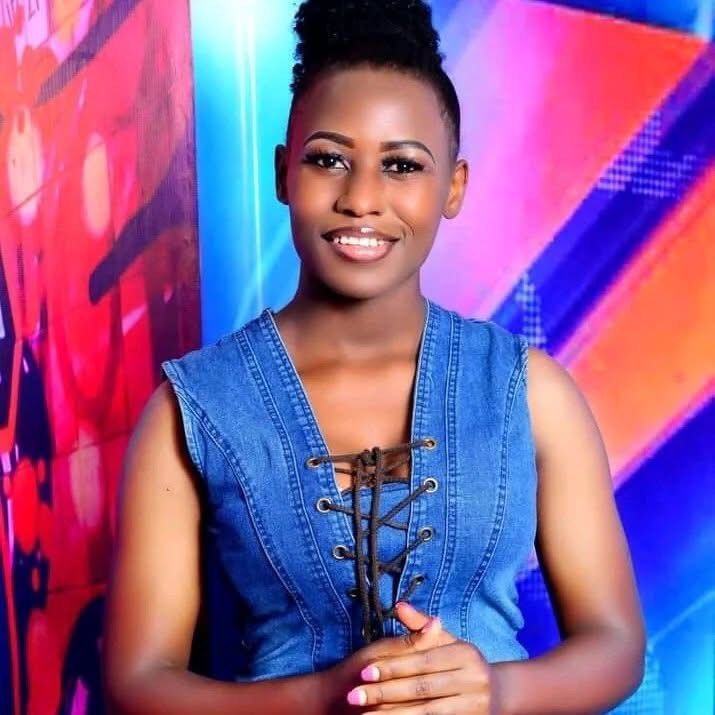
Sharon Nambakire

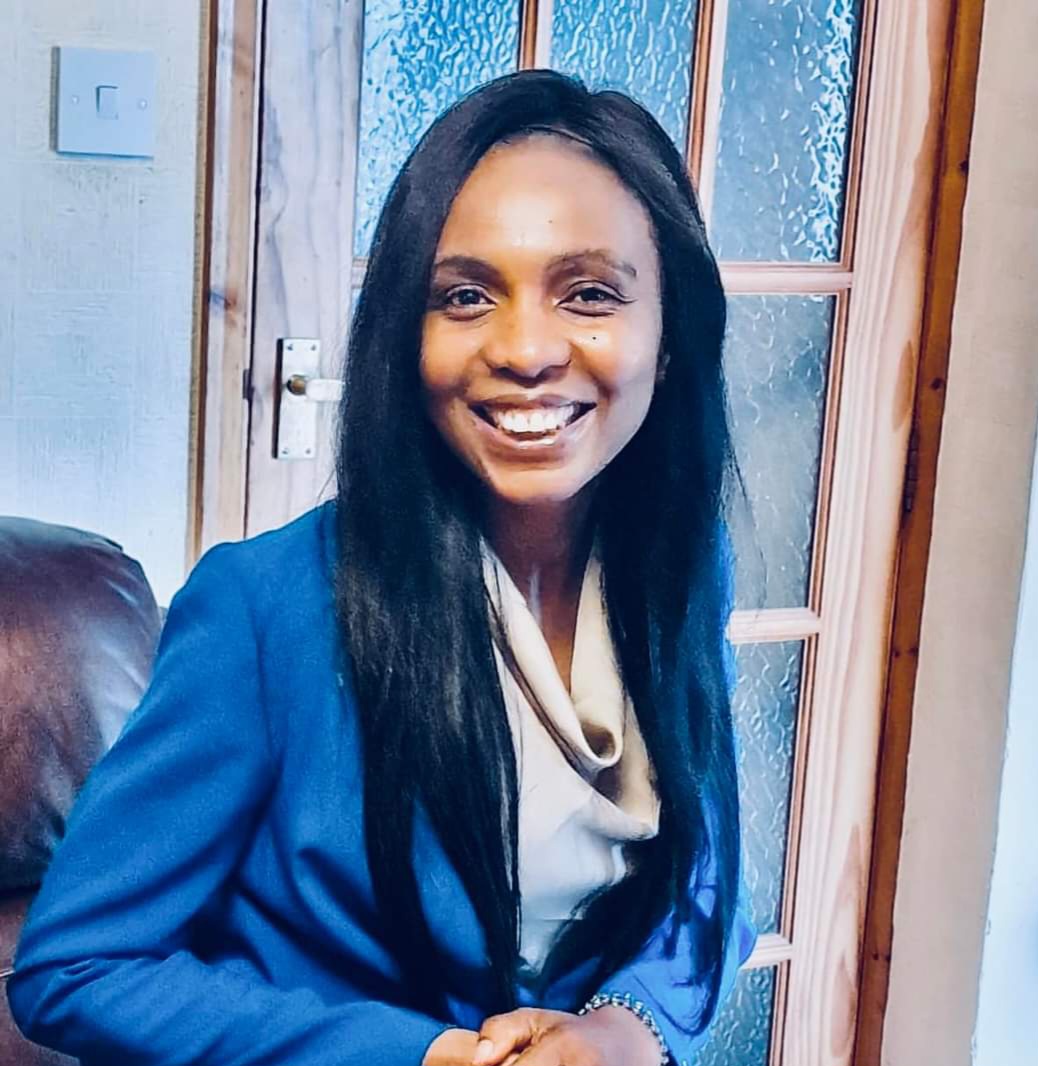
Sharon Nambakire, the founder of the MHAMIA Foundation and SIYA TV Uganda

Sharon Nambakire, the founder of the Mental Health and Mental Illness Awareness Foundation (MHAMIA) and Siya TV Uganda, an online streaming channel, is a mental health advocate and humanitarian who is dedicated to helping the vulnerable and needy populations within Uganda. Shaped by her struggles of socioeconomic hardships, Sharon vowed as a little girl to become a contributing citizen of society. Her story shows us that a pure, good heart will always shine through, and that it will lead us to doors of opportunities no money can.

This is Sharon’s story …

As the youngest child and only daughter among eight siblings, I grew up surrounded by the love of my brothers and hardworking mother. After my parents’ divorce, when I was a little girl, my mother had to fend for us, her children, single-handedly, in the bustling and unforgiving terrain of Makindye, Kampala. Life was hard, and money was little to come by but my mother forged ahead by working as a cook at a nearby primary school, to pay for our school fees and to make ends meet.

During the school holidays, our mother cooked maize that my siblings and I would sell on the streets of Kampala but in spite of all her efforts, the financial woes just deepened, resulting in my mother being forced to send two of my brothers to live with her own mother in Entebbe, a neigbouring city of Kampala.

Seeing the hardships, the sweat and the struggles of my family, was the only life I knew. I did not know of a life beyond the microcosm of my own existence and that of my neighbours. We all went about our lives, living hand to mouth and hustling to earn the basic living standards. Surrounded by this reality, I had no dreams, growing up, but I most certainly aspired to be like my mother; hardworking, loyal and dedicated to the upkeep of her children who were sadly neglected by our own father.

A short while after the divorce of my parents, my father was initially present in our lives. I remember him bringing us stuff, at times, to support us in his own way but he was not very present growing up. As an adult, I harbour no resentment nor hate towards him because I understand how hard life can get although the little girl in me always questions the ‘why’. Be that as it may, our lives continued without him because our mother became our sole focus.

I thought our financial woes were normal until it was time for me to attend primary school. It was here that I realized just how bad our situation was because the schoolchildren would make fun of me. They made fun of my shoes, saying I wore my brother’s shoes and my schoolbag, was basically a plastic, polythene bag. I also got chased away from the school premises, during exams, because my mother defaulted on my school fees. I did not inform my mother of the bullying as I knew how hard she was trying to give us the best she could. Despite all the struggles, I became close to one of the teachers, Madam Christine, when I reported the bullying to her and she helped me with my term fees and provided me with books to read, to improve my English since Luganda is my home language.

Growing into a more socially aware young girl, and entering my secondary schooling years, I always used to admire the other children that had better resources than me but it seemed like such a far-fetched reality for me to have nice stuff. Our financial woes resulted in me skipping a school term and working as a nanny, washing clothes and selling maize, to save up money to return to school but even then, it was not enough. When I reached Senior Four, my mother wanted me to attend a vocational institute but I was determined to finish secondary school by attaining my A-Levels.

Fortunately, the secondary school that I attended, Molly and Paul High School, always received visits from American missionaries and through one of these visits, I met a lady by the name of Kimberly, two years prior, during Senior Two, and we kept in touch since then, via emails, as I did not own a cellphone back then.

When I reached my wit’s end on how to proceed with completing my schooling, despite working for extra money, I decided to explain my situation to Kimberly and she offered to pay my school fees for me. With her help, I managed to finish my A-Levels and am forever indebted to her for her assistance.

Shortly after the completion of secondary schooling and with my passion for talking, I received an opportunity to venture into online broadcasting, on a pioneering channel called Vory Wood TV and was trained on the job. During my first stint, I had a show, called Follow Up, where I interviewed different people in the movie industry, every Friday. Later on, I joined Crown TV Uganda, where we hosted The Expendables, interviewing different people in the music industry and then TMC where we hosted the Deep Dive show, once again focusing on the entertainment industry but I eventually quitted the industry due to the prevalent nature of sexual harassment – of which I refused to be a victim of – and decided to focus full-time in the non-profit sector, while hosting my own online broadcasting show called Siya TV Uganda.

Due to growing up very poor, I developed an affinity for helping those just like me. It was during secondary schooling years, when in Senior Five, that our school grounds shifted from Kibuye, to a village in the MPIGI District. It was here that I saw children coming to school without shoes. I was so touched by their plight that I prayed to God to one day put me in a position where I am able to help others. The decision to follow through on my prayers came after I quit working for others, in the online broadcasting sector, and ventured on my own.

In 2021, I established the Sharon Inspiring Youth Africa (SIYA) Foundation dedicated to the upliftment of the youth. During this period, for three years, my family, friends and I would collect shoes and clothes for school-going children, to give them a sense of dignity when attending schools. We also provided stationery and any other materials, to facilitate their school-going years, and to this day as an organization, we still do these collection drives albeit under a different name,

We rebranded the SIYA Foundation to the Mental Health and Mental Illness Awareness (MHAMIA) Foundation, in 2024, shortly after the suicide of my cousin in April 2023. His death came as a complete shock to our family, which many deemed as a result of witchcraft, which is a common misconception among Ugandans. I have to admit, even I was not clued up on mental health, and its prevalence, until I had to educate myself on it and with this, the MHAMIA Foundation was born.

The purpose of the MHAMIA Foundation is to create mental health awareness and destigmatize misconceptions surrounding mental illness in Uganda. To date, we have had outreach programmes within twenty-two communities, including schools. Through our awareness campaigns, both the youth and older generations have gained insight and understanding on topics relating to the importance of mental health and well-being and the demystification of witchcraft, as its cause. As an organization, and through my online broadcasting show, we hope to reach more people and create a culture of acceptance, non-judgement and compassion towards those suffering from mental health issues and to stress the importance of mental well-being.

By the end of my life, when I look back on all the milestones in my life, I want to be proud of myself for taking the needed steps to help others. I want to help people. I want to listen to them, without judgement. I want to be there, even if its just my presence. I also want to encourage others to be the needed tool of change within their respective societies. You do not need the world to make a difference but the world certainly needs you, to make that difference, to be like the Madam Christine’s and the Kimberley’s that shines their light when it is most needed.

While I may not be a university graduate, although this is a milestone and dream, I will achieve in the foreseeable future, God-Willing, my journey shows that it does not take an education to make a difference. It simply takes a good heart, with pure intentions, to light the candles of others, so they, too, can achieve their dreams.

If you are interested in learning more about Sharon or would like to get in contact with her, please reach out via her website https://mhamia.ahavah-creations.org/, her Facebook page, MHAMIA Foundation, or email her at mhamiafoundation18@gmail.com.

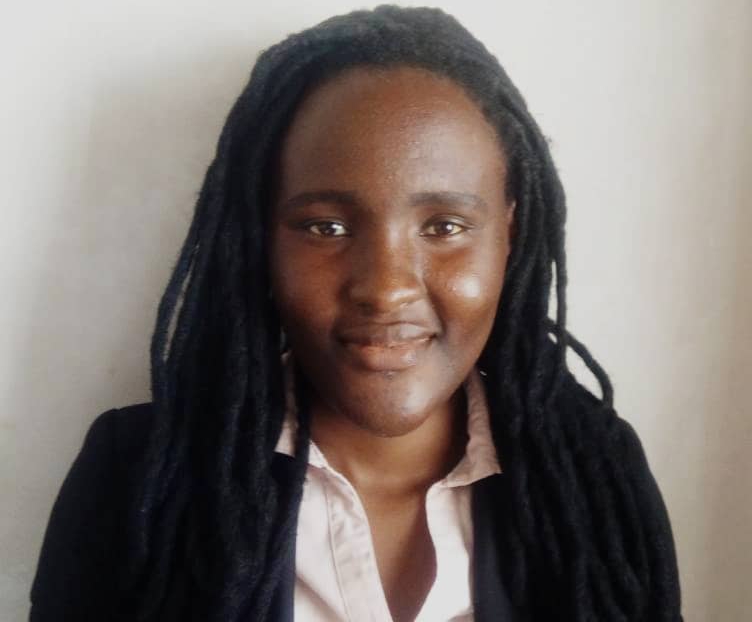
Tabitha Lilungwe

Tabitha Lilungwe, Project Director of Peoples Action for Accountability and Good Governance in Zambia (PAAGZ)

Tabitha Lilungwe, the Project Director of People’s Action for Accountability and Good Governance in Zambia (PAAGZ,) has always been motivated by her drive to make a difference in the lives of others. She served as a Deputy Managing Editor for Lusaka Star, blogs about menstrual education and is a Human Rights Peer Educator. She understands the importance of making an impact, being impacted in her own personal experiences with others, and is always driven by the need to make a difference in everything she touches. Her story shows us that in our journeys, we meet people to inspire them and to be inspired by them and that to never take things for granted.

This is Tabitha’s story …

Born in 1996 in the Southern parts of Africa, in Lusaka, Zambia, I was always driven by my curiosity of the world but was never sure of the career path to take because of my diverse interests in law, medicine and the social sciences. However, being the second eldest of seven children, our financial resources were limited and this consequently narrowed my choices to what was made available, at the time, which was a government scholarship, to study at the University of Zambia. The secured government scholarship, though, did not enable me to study law. Thus, I selected to pursue a degree in Mass Communications but it later became transparent that it was the right choice as it set me on the path I was destined to pursue.

In 2015, I commenced my studies, and three years later, expanded my networks by joining the global Women in News initiative, provided through the university, which is dedicated to gender equality, diversity, and inclusion across the international news industry. Through this network, I became acquainted with female journalists and ventured into the civil society. Networking with civil society leaders, I developed an interest in community outreach and social justice. I collaborated with and volunteered for various non-governmental organizations (NGOs), including Bloggers of Zambia, Alliance for Community Action, and the Centre for Young Leaders in Africa (CYLA) Zambia.

After graduating with my degree in Mass Communications, in 2020, and officially entering the working world, I was approached by a colleague, a well-known Zambian rapper Pilato, to collaborate with him on his non-profit organization, People’s Action for Accountability and Good Governance in Zambia and was subsequently appointed as the Project Director to facilitate the vision of the organization. 

People’s Action for Accountability and Good Governance in Zambia (PAAGZ) is dedicated to advancing governance and accountability processes in Zambia. It focuses on citizen-driven accountability, inclusive governance, and systemic improvements. The organization strategically positions itself to engage with communities, to encourage civic engagement, voter registration, and participation in general elections. The focus areas of the organization are community-led social accountability and public resource management monitoring, artistic freedom and freedom of expression, grassroots mobilization and community empowerment, promoting political awareness and participation and human rights advocacy.

Driven by its mission, PAAGZ also became involved in many campaign partnerships, including with Magamba of Zimbabwe and Selam of Sweden that have resulted in the defamation of the president law being repealed by the President of Zambia and the launch of the Pan-African Network for Artistic Freedom (PANAF) Zambia, respectively. Many of PAAGZ’s initiatives include projects such Activate, Meet my Debt and Ticheze Zambia. Activate focuses on mobilizing and empowering young people to register and vote in the general elections, Ticheze Zambia provides platforms for amplification of citizens’ voices and promoting government accountability and Meet My Debt is designed to bridge the information gap across, social classes, and to make the debt management discourse accessible to the general public.

Through these respective projects, 800 women and youths, across 13 rural constituencies in Zambia. were positively impacted. We have also successfully amplified the demand for social and democratic accountability. Notably, PAAGZ’s efforts had a tangible influence on political campaign messages for the August 2021 elections, with a substantial voter turnout of 70%, the highest since Zambia’s first multi-party elections in 1991. More than half of the 70% of voters were below the age of 35 and it shows the effectiveness of our projects but also highlights the growing role of young people in shaping the political landscape.

In addition to creating political awareness through PAAGZ, I am driven by my own personal experience of being a 15-year-old girl and not knowing how to manage my periods. Growing up in a conservative society, menstruation is a taboo topic, leading me to realize the prevalent issue of period poverty affecting many young girls in Zambia. As a result of it being a difficult topic to discuss, this inadvertently leads to teenage pregnancies, with approximately 30% of Zambian girls becoming pregnant at aged 18, resulting in higher high-school to university dropouts.

With this in mind, I created a blog Lilungwe Daily to create awareness among young girls but will extend my services from blogging to formally establishing a youth hub, the Harmony Healthy Club, in the near future. Harmony Healthy Club will focus on issues associated with adolescence, early marriages, teenage pregnancies and menstruation. It will also create a safe space, without stigma and discrimination, where sexual education can be discussed, especially in a society that encourages abstinence over comprehensive sexual education. It aims to focus on the well-being of young women and to provide them with sexual and reproductive health, with the long-term goal of reducing teenage pregnancies. Plans for its launch are underway, with the initial roll-out to be introduced in my community, Kanyama, with the aim of expanding to other areas in Zambia.

Throughout all my pursuits, over the years, I always think back to my university days, particularly my friendship with my former classmate, Matilda Chali, who impacted me deeply. We were two peas in a pod and did everything together, from our chosen modules to tutorial groups and even lived at the same student residence. Being 7 years older than me, Matilda inspired me with her story to reach university levels and we vowed and made a promise, to each other, that one day when we are “successful enough”, we would share our story, with the world, but she never got to share hers. Matilda unexpectedly died, shortly after achieving her life-long dream of a university education. At aged 32, she passed away, alone in another province in Zambia, where she was working, with cerebral malaria.

Her passing came as a complete shock to my system and deeply affected me, reminding me of the fragility of life and to share our stories, and experiences, with others. it made me realize the importance of not waiting on second chances because not everyone gets a second chance in life. Sometimes, as I go through my life, I have those moments where I want to call Matilda, to tell her of the latest developments in my life, then in that fraction of a second, I have to remind myself that she is no longer.

As humans, we tend to fool ourselves by thinking that we have time but the clock is always silently ticking in the background. Seize that opportunity that may never come again because while hardships may be temporary, the rewards of success are reverberating. Be present in everything that you do, for yourself and others, because that moment will eventually become a memory. Share the ebbs and flows of your life, the struggles and successes, with others, so that your story becomes your legacy that inspires others to succeed in their own paths. We meet people for a reason and often that reason is to show us how we are all interconnected and to also show us the importance and impact we, as individuals, can have on others.

If you are interested in learning more about Tabitha or would like to get in contact with her, please reach out via the Facebook page, Peoples Action for Accountability and Good Governance in Zambia (PAAGZ) read her blog Lilungwe Daily, or email her at tabitalilungwe@gmail.com or tabitalilungwe@peoplesactionzambia.org

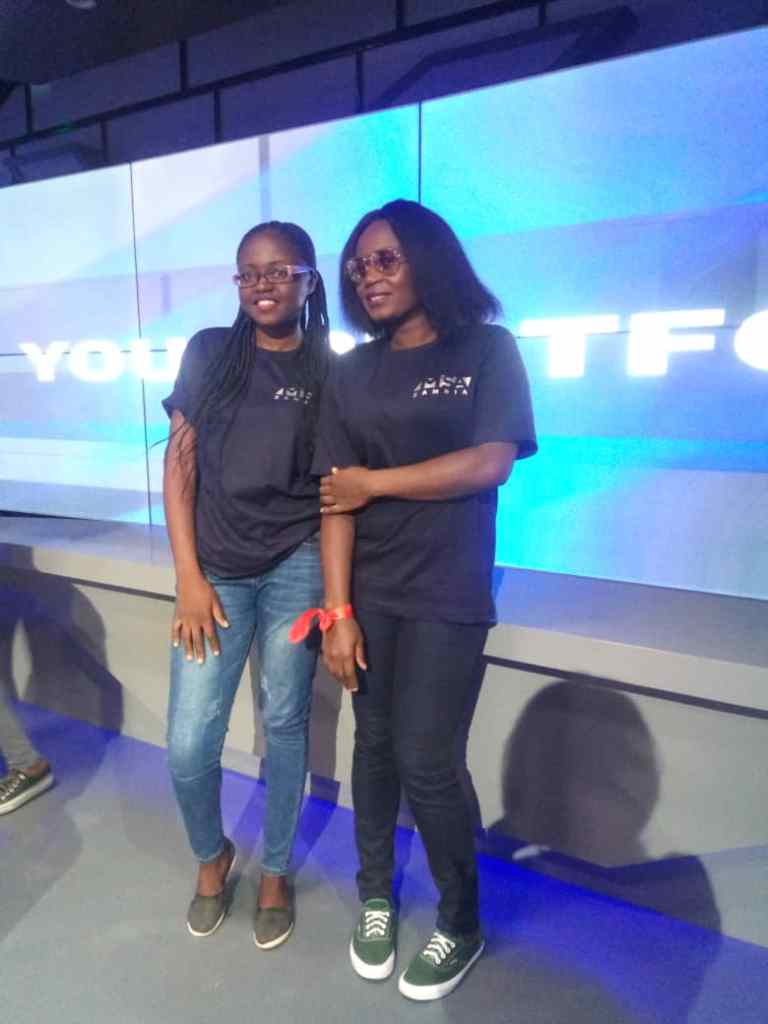
In loving memory of Matilda Chali (right) standing next to Tabitha Lilungwe (left)

Joy Chinwe Aguguo

Joy Chinwe Aguguo, founder of the Joy Chinwe Foundation and Joy in Health

Joy Chinwe Aguguo, the founder of Joy Chinwe Foundation and Joy in Health is motivated by her personal experience, of leaving her Nigerian homeland to the shores of Europe. She is driven to create awareness, on migration and health, for the minority groups within her newfound home and dedicates her time to uplifting and empowering others, such as herself. She wears many hats, as an author, a motivational speaker, a woman in tech and a health advocate. Her story shows us that traversing foreign terrains is never an easy feat but with the right mindset, you can achieve anything.

This is Joy’s story …

As the eldest daughter, born into an Igbo family in the Eastern parts of Nigeria, I always felt the need to empower myself with the deep-seated desire of supporting my loved ones and this desire was strengthened by the sudden passing of my father during my secondary school years. The devastation and grief that accompanied me with the loss of my father was searingly painful, but this motivated me even more to pursue my education and subsequently increase my employment potentiality. While I intended to study Medicine, unforeseen circumstances lead me to pursue a degree in Marketing. 

During my studies in Marketing, a fated encounter with a Nigerian man, working in Italy, at that time, changed the trajectory of my path. I was initially hesitant in marrying him because this meant I would forsake my dream of attaining my higher education but with the intervention of my grandmother who approached the family stipulating her condition of first wanting me to finish my degree in Nigeria, I happily married my husband, upon the completion of my degree, and excitedly followed him to the shores of Italy.

In 1999, I arrived in Italy with great hopes and expectations, as the perception within my community and in the broader African context, was that Europe is a land of opportunities, especially prior to the growing European migrant crisis. However, this feeling was short-lived as the harsh realities of migration in Europe started to sink in and within the first six months, I was battling with language barriers, cultural adjustments, stereotypical views of African immigrants and the icy cold European weather and was struggling to find employment, going for months without a job. 

It was a stressful period for me as I was desperately seeking work until an opportunity finally arrived when a friend informed us of a company in a neighbouring village that was seeking employees. Filled with anticipation and optimism, I was accompanied by my brother-in-law to pursue this opportunity, only to be met with a devastating (and heartbreaking) blow. The director callously informed us that “no blacks” were welcomed. Overwhelmed with a sense of injustice, I wept bitterly, grappling with the realization that, in their eyes, I was reduced to nothing more than my race and immigration status, despite knowing my worth as a capable human being. 

Despite my despair, the rejection proved to be a catalyst for my growth. More determined and refusing to let adversity get the better of me, I started researching any available offers and seized an opportunity to enrol in a one-year social care programme, which was a totally different field from Marketing. Nonetheless, the different path chosen led me to meaningful experiences.

After completing the social care programme, I secured a position as a social assistant for the elderly in a hospital in Italy. Through this experience, I encountered like-minded individuals who viewed me neither as black or an immigrant, but as a contributing citizen, based on my essence. Although the early stages of my work were marked by instances of racism, discrimination, and disrespect from some colleagues, the unwavering support from my director, managers, and close colleagues prevented these challenges from significantly affecting me. Additionally, I have diligently mastered the Italian language and forged meaningful relationships during my time in Italy, fostering connections with both Italians and individuals of other nationalities. Therefore, what initially appeared to be a bitter experience in my job search ultimately revealed itself as a blessing in disguise.

While carving out a good and sustainable life for myself in Italy, giving birth to three beautiful children and working in hospital, I was consciously aware of the plight of my fellow Africans, crossing perilous waters, in dinghy boats, in search of a better life who now had to battle with issues such as human trafficking and illegal migration on the shores of Europe. Through my observations, I was inspired to write my story, drawing from my own experiences as an African living on European shores to create awareness for my fellow Africans and to debunk the myths of life in Europe. With this, I penned and published my first book entitled The Morning Sunset.  

In addition to my first book, I established the Joy Chinwe Foundation with the aim of raising awareness among the people of Africa about the perils of illegal migration and undertaking hazardous journeys, to Europe. As an organization, we provide support to victims of human trafficking and illegal migration. The aims and objectives of the Joy Chinwe Foundation is to campaign for the provision of support in the development and delivery of programmes, studies, and technical expertise on combating migrant smuggling and trafficking of women, and children in a manner consistent with law, to sensitize young people on the dangers behind travelling to the West, through the desert and the Mediterranean Sea and we offer expert advice, research, and needed financial assistance to the victims of human trafficking. 

After thirteen years in Italy, we left for the United Kingdom in pursuit of better educational opportunities for our children, especially when my eldest daughter entered secondary school. Comparatively, the United Kingdom was so much easier to relocate to as there were no language barriers. It was while working briefly in residential homes, that I got admitted into a Masters programme, subsequently attaining a Masters in Human Resource Management, and eventually specializing and earning the professional distinction of being a Chartered Member of the United Kingdom’s Institute of Personnel and Development (CIPD), currently navigating the ever-evolving landscape of Information Technology and finding myself at the intersection of human ingenuity and technological advancement.  

Although I was chasing the corporate world, in my heart, I was still driven by a fervent commitment to effect change and subsequently, established another non-profit organization called Joy in Health. The purpose of Joy in Health is dedicated to the physical and mental well-being of Black, Asian and Minority ethnic groups and strives to dispel the ignorance associated with the importance of their well-being which inadvertently leads them to neglecting their health.

Through awareness campaigns, educational initiatives, and digital platforms, Joy in Health strives to empower individuals to prioritize their health and lead fulfilling lives by providing insights on managing diseases like high blood pressure, mental health, kidney diseases, and diabetes. We prioritize education by extending our efforts to social media platforms, particularly YouTube and podcasting, where we collaborate with medical professionals to disseminate crucial health information within our communities, such as healthcare awareness and prevention and cure of ill-health related ailments, to foster a culture of proactive self-care. We intend not only to inform but also to bridge the gap in understanding, speaking in ways and languages, that resonates with the diverse communities within the Black, Asian, Minority ethnic population with the goal of a healthier population who have access to their fundamental human right of high-quality healthcare.

Looking back on my journey, leaving my country at the age of 23, to build a life with someone I barely knew, at the time, I can honestly say this; you never know what is waiting for you on the other side of taking risks and all it takes is courage. Some might say I was young and naïve but like a child, any child, they learn and grow by not knowing and that ignorance is their biggest asset because to know is to fear. If I knew I would be facing all the hurdles I subsequently did, I probably would have said no but I took that leap of faith with great hopes and in spite of all the struggles, it has been a journey worth taking because if I didn’t embark on the journey I did, I would never have made the impact I do, in the way I do, which is powered by my personal experience.

In the mosaic of my life, today, I find myself at the crossroads of various roles; a professional in Information Technology, a devoted mother to three children, a supportive wife, and a fervent advocate for health and well-being. Each aspect of my journey adds depth and complexity to my narrative, weaving together a tapestry of experiences and aspirations. As I navigate through life, I am guided by the threads of curiosity, resilience, and a steadfast belief in the profound impact of both words and actions. Together, these elements shape the ever-evolving story of my life.

If you are interested in learning more about Joy or would like to get in contact with her, please reach out via her website, joyinhealthservices.com, check out her YouTube channel, Joy in Health by Joy Chinwe Aguguo, or email her at chinweduru@me.com.

Maureen Bii

Maureen Bii, founder of Kipkogo Ogiek Women and Youth Program and the Huts of Knowledge

Maureen Bii, the founder of Kipkogo Ogiek Women and Youth Empowerment Program and the Huts of Knowledge has dedicated her entire life to the empowerment of the indigenous Ogiek community in Kenya. She is a Peace and Conflict Resolution & Training Practitioner, a community development champion, and a women & youth advocate that is driven by her personal fight for freedom. Her story shows us that we need to appreciate and utilize the rights we have been given because thousands of miles away lived an eight-year-old girl with a far-fetched dream to access her basic human rights.

This is Maureen’s story …

The Ogiek are a marginalized minority and indigenous hunter-gatherer community native to the Mau Forest with a population of 52 000 out of a total of 50 million Kenyans. The history of the Ogiek community, scattered across 6 counties in the Rift Valley region of Kenya is one marred by injustices such as the lack of citizenship rights, displacement, and recurring land disputes but discrimination is prevalent both against the Ogiek community and within the Ogiek community. Patriarchal leadership has been unrelenting towards indigenous Ogiek women and girls, depriving them of access to an education and healthcare and enabling harmful cultural practices such as child marriages and female genital mutilation (FGM).

In 1992, when my mother heard whispers in the neighbourhood, for my hand in marriage, at the tender age of 8, she refused to present me, the fourth of her five children, as a wife to the village elder. My mother, a hardworking woman, with no education and struggling to feed five children when my father left us, planned my escape, to make sure I achieved my dream of attaining my education. She sent me away to live with her sister in another village in Nakuru, the county of my birth, to save me from the clutches of early marriage and FGM.

Initially, I took shelter with my aunt to attend school but because she too, had financial difficulties, I sought out employment to pay for my education and would live and work in the homes of my employers, who were kind enough to allow me to attend school. It was not easy, as the school would frequently send me home due to outstanding fees.

It was a recurring problem since there were also limited access to technology and a subsequent lack of information on scholarships, which meant that it took me years to complete my primary and secondary education. While at school, I never complained about my situation, to anyone, nor did anyone notice but when I became more focused on my academics and participated in school drama activities, the teachers noticed my absence and questioned when I suddenly disappeared into thin air.

One of my teachers enquired after me, thinking I was married off, but she persisted in trying to locate me, to complete school. Finally, after two years, she found me. When she found out the cause of my absence was crippling school fees, she pleaded my case with the principal. With her support and fundraising initiative, I was able to finish my secondary education and settle my outstanding debt.

Six years after completing my secondary education, I finally managed to enrol in a Bachelor of Commerce (Finance) degree at Kabarak University in Nakuru and zealously searched for scholarship opportunities at the Campus Library, for fear of dropping out. I stumbled upon and applied online for a Forum for African Women Educationalists (FAWE) scholarship but received no response from the organization. Out of desperation, I took a four-hour bus trip from Nakuru to Nairobi, the capital of Kenya, to the FAWE’s Head Office, with no idea of where I would sleep that night. When the staff members heard my story, and saw my level of commitment, they sent me back home that same day, with the promise of awarding me a full scholarship and true to their word, they kept their promise for the entirety of my degree course.

It was during my second year of university, in 2008, aged 24, that I returned to the village from which I had to flee, in Nessuit, Nakuru, with the mission of creating awareness on gender equality and education empowerment. I realized the reason most of my people in the Ogiek community suffer is largely due to a lack of information. With the help of a presiding pastor, not native to the Ogiek community, we set out to provide information on scholarship availability.

Fortunately, during my third year of university, I was able to secure a job and sponsored the secondary education of two girls from the Ogiek community with the purpose of emancipating them from the cultural and poverty constraints. I also managed to secure scholarships, from organizations and good Samaritans, for ten more students, both girls and boys and in the subsequent years, a total of 75 students were sponsored. The outcome of my community participation has resulted in three medical doctors, two pilots, teachers, lawyers, marine engineers, and human resource specialists. ICT consultants, with other young men and women obtaining their economics and computer engineering degrees.

Before we could achieve such an outstanding level of success, we endured prejudice, intimidation, and resistance from the village leaders as there was a lot of discomfort in changing the status quo. However, in my absence, my most ardent supporter and teammate, Pastor Julius Lelei, was able to mobilize teachers to monitor their students to mitigate the chances of school dropouts due to the migration from the lowlands to the urban areas. Our work was also simplified by the evidence that in spite of fleeing my village in pursuit of an education, I still returned to my roots 16 years later, which proved to the village leaders that even if an Ogiek girl seeks out her education, she will still return home and invest in her people.

After graduating with a BCom degree and working full-time, I embarked on and completed my MBA at Jomo Kenyatta University of Agriculture and Technology (JKUAT) while doing numerous online courses from financial modelling to peace and conflict resolution. With my passion for empowering and developing the Ogiek community, I have founded two community-based organizations: Kipkogo Ogiek Women and Youth Empowerment Program and the Huts of Knowledge.

Kipkogo Ogiek Women and Youth Empowerment Program (KOWYEP), holds advocacy programs to highlight the problems of early marriages and female genital mutilation, provide education empowerment for children and focus on women empowerment. 

We create awareness of harmful cultural practices, among old women, who have been practicing the cut, by enlightening them on the dangers associated with FGM, such as diseases, health issues and death since the cultural mind frame is that a woman that has not undergone FGM, is an incomplete woman.  For girls, we empower them to attend classes every day and provide reusable sanitary towels, underwear, soap, and train them on menstrual health management. In addition, we also provide stationery, and writing materials to enable continuous learning. 

On women empowerment, we work closely with widows, single mothers, and teenage girls, and have started table banking, in collaboration with microfinance organizations, for 32 women who benefited from our small loans to start off income generating activities, to earn a decent income and to break away from poverty. We also offer a vocational training hub to train teenage girls’ entrepreneurial skills, like clothing and design, basket weaving, beading and agri-business. 

Our KOWYEP advocacy program has resulted in reducing the dropout rate of girls experiencing menstruation by 80% and have imparted knowledge on sexuality and self-awareness, killing FGM by 68%. We also have a teen mentorship program involving both girls and boys, to ensure that all Ogiek children get equal opportunities. We secure financial support for these children to continue their education and have also reduced illiteracy rates for future employment opportunities. 

Within the sphere of the Huts of Knowledge, we have built a classroom near the forest, to help children under the ages of five and have also added four mobile libraries for children, aged 3-7 years, that are unable to trek long distances, to school to enable them to learn informally, as they wait for the opportune time to attend school. These mobile libraries have tremendously improved the awareness of these young children and  have facilitated young mothers in their search for food for their kids, while knowing that their children are safe.

Going forward, the next focus is to build and establish an ICT centre for information sharing among students as there is none in the area. Information sharing will enable the Ogiek youth access to scholarship opportunities, farming information, grant opportunities, fellowships, online learning, and travel grants. Such opportunities are often taken for granted by many born into such luxuries or who live in close proximity to such access. 

Returning to my roots, with an empowered mind has gifted me with the honour of investing in my community. When I escaped, I fled with a vision of attaining my basic rights to an education even when the steps seemed insurmountable. Through my journey, I have learnt, with specific context to the injustices against the Ogiek community, is that empowered people are champions of peace. They help in bringing calm where there is conflict and bring understanding between warring parties and are able to support the fight for freedom through shared knowledge and wisdom. Thus, escaping from the lowlands of Kenya as a scared yet determined 8-year-old girl to the achievement of my dreams, and legacy, as a strong and empowered 38-year-old woman, has made all my sacrifices worth it.

If you are interested in learning more about Maureen or would like to get in contact with her, please reach out via her Facebook page, Kipkogo Ogiek Women Empowerment Program, or email her at hutsofknowledge@gmail.com.

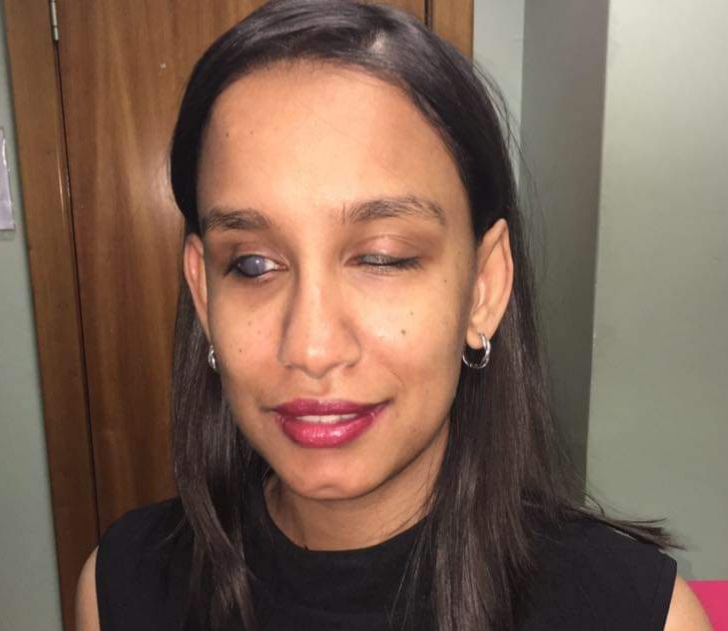
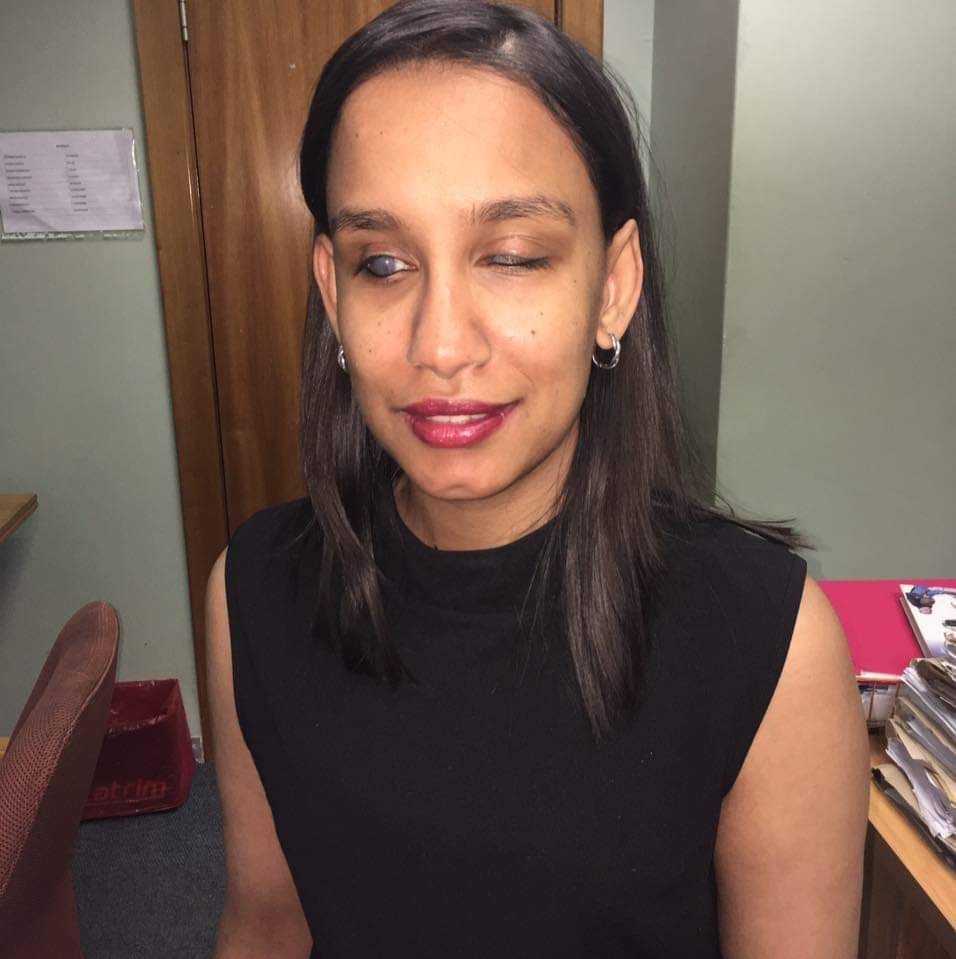
Maymoona Chouglay

Maymoona Chouglay, founder of Infinite Abilities

Maymoona Chouglay, the founder of Infinite Abilities, is a social worker both in her professional capacity and as a volunteer. She is deeply involved in trying to alleviate the societal challenges of the disabled community. Her journey to finding her own path has driven her to facilitate the lives of the visually impaired. Her story shows us that it is important to always find the silver lining in the cloud, irrespective of the challenges, and that we all have the power to turn our pain into purpose.

This is Maymoona’s story …

I am sitting in the classroom and all I see is a colourful blurriness, but I cannot see the distinct features on the faces of my fellow classmates nor the letters on the dark green board a few feet away from me. It feels like a cloud hovering in front of me, through which I need to see, but I find comfort in the presence of my mother, my pillar, and my strength. She is seated alongside me, to make the lines in the book darker, to read to me from the board and to help me with learning to write, between the lines, and on the days that she is not present in class with me, my teacher tries her best to include me in all the activities.

When I reflect on my first two years of mainstream schooling, in Johannesburg, South Africa, I can remember clearly how challenging it was trying to immerse myself in a classroom designed for and filled with learners without disabilities. The struggle to immerse myself in my new surroundings was not due to a lack of care but due to a lack of special-needs resources and infrastructure, which is predominant in most mainstream schools within South Africa. 

In 1987, I was born six months prematurely, in Kimberley, South Africa, weighing 680 grams. While being incubated, I was given too much oxygen which resulted in my retinas becoming detached. Despite having undergone several operations, and receiving the best ophthalmologic care, nothing could be done to reverse the damage, thereby causing me to become visually impaired. With the need to search for better working opportunities, my parents returned to my father’s hometown, in Johannesburg, a city situated five hours away from Kimberley.

It was while I was in Johannesburg, that I entered mainstream schooling. However, the respective school was not equipped to accommodate my condition and we were referred to Prinshof School, for the visually impaired, in Pretoria, South Africa. After we went for our first appointment at Prinshof, to ascertain if it would work for me, my mother assured me that I would manage at the special school, and that she would continue to assist me.

When I was eight years old, we relocated from Johannesburg to Pretoria to enable me to start my new journey. I went from having to sit in front of the board in my former mainstream school, to be able to read the letters, to being able to immerse myself in an accommodating world with learners who endured similar challenges as me. Prinshof was truly the game changer in my development as an individual. It set me on a path of healing and growth by creating a space of belonging. Before Prinshof, I did not have a strong sense of self but through Prinshof, I became very confident and found my sense of self.

I became active and partook in many school activities including athletics, swimming, piano lessons, and the school choir. I completed Grades 1, 2 and 3 within 6 months of commencement. The rate of my development was outstanding to the extent that Prinshof wanted to promote me to Grade 4 within my first year. However, my mother refused the suggestion with the reason of wanting me to focus on learning braille and to become more well-rounded by acquiring skills in other areas, not just academics.

For the next three years, I was thriving at Prinshof but then, in Grade 6, at age 11, my World got shaken to the core by the sudden loss of my mother to lupus. It really stunned me that my biggest supporter was no longer there to cheer me on and to guide me on my path of becoming … There are days that I still miss my mother. I miss her tender touch, her comforting hugs, and her unconditional love but as a child, it was harder to navigate the World, without her, because she was my voice, and as a child, I was still finding my voice. In the midst of the darkness, my father and I held on to each other, and even if I never got over the loss of my mother, I appreciate and have the greatest respect for my father, for always being there for me and for creating a sense of normalcy for me, when she left this World.  

One year after my mother’s passing, my father remarried, and I was blessed with a second mother. She became the mother I needed when my own mother was no longer, and our little family of three was later expanded with the arrival of my twin brothers. This sense of family has been my comfort and through the coming years, I continued to thrive at Prinshof until I completed my secondary education. When I started studying at university, interestingly, it felt like I was regressing into the real world where the mundaneness of university life was in fact, a blind person’s nightmare, all because of a lack of reasonable accommodation.

It was tough adjusting but fortunately, my mother accompanied me to campus as I embarked on my BA Degree in Social Work at the University of Pretoria. She was there for the first six months, assisting me with navigating classes and making notes, until we employed the services of an assistant that walked me to classes, typed my notes and books, where needed, and executed any other tasks that were required. Although I used a white cane, it was very difficult navigating campus with it because university buildings are not always streamlined and flat-surfaced to facilitate walking unaided or even, with a cane.

During my second year of university, I was further diagnosed with glaucoma, which caused me to lose my eyesight completely. I nearly threw in the towel and quit university because my condition got progressively worse, and the daily challenges were just mounting. It was tough but as a believer, I was reminded of one of the most enlightening verses in The Qur’an, “Allah does not burden any soul greater than it can bear” (Chapter 2, Verse 286) and I soldiered on. Six years after I started university, not only did I complete my BA Degree in Social Work, in 2012, but I also graduated, in 2013, with a BA Honours in Social Work.

I have worked and continue to work both within the governmental and non-governmental sectors, from Gauteng North Services to the Department of Social Development and am currently busy with my Masters in Disability Studies. Being a person that is living with a disability, has augmented, and aligned me to assist people with disabilities, in addition to my other social work responsibilities. I am involved in extensive voluntary community work, with other organizations, including the supervision of a home for blind children, from ensuring their well-being to their accessibility to an education, and an empowerment center under the auspices of a non-governmental organization, Garden Social Services. I was previously involved in consulting work with the braille packaging of skincare product ranges with L’Occitane, for a two-year period (2018-2019), and currently participate in public speaking engagements, disability awareness training and campaigns and have also established my own organization.

In 2019, Infinite Abilities was established as a consulting firm to serve persons with disabilities, and their families, with therapeutic to general support and empowerment services. The organization offers educational and disability awareness training to businesses and organizations and supervises social workers and social auxiliary workers in their respective roles in accordance with the Social Work Supervision Policy Framework but with a special focus on dealing with persons with disabilities. The vision of Infinite Abilities is that through its services, every professional will become aware of and be educated and equipped with the skills, tools, and guidelines to assist persons with disabilities that they may encounter in the workplace or in their everyday lives.

For the past four years, since its inception, Infinite Abilities has been a one-woman show. Hence, with the aim of expanding and bringing members on to the executive board, the organization hopes to reach more individuals, living with disabilities, by providing resources to aid in their medical care and counselling services, their educational aspirations and to enable the disabled community to live empowered lives. Furthermore, Infinite Abilities aspire to assist social workers to establish their own private practices with the aim of accommodating more persons with disabilities that are unable to reach the government’s social work services due to geographical locations or being under-capacitated.

There are numerous daily challenges that I encounter in my interactions with people that are not attuned to my visual impairment, from a personal assistant that may not read the instructions clearly, to me, to a driver that does not drop me off at a precise location and it is frustrating, and it can be depressing but I refuse to live in those moments of darkness. I am a firm believer that this condition has been bestowed upon me, to be of service to humanity, to aid me in understanding the nuances of living with a visual impairment and to use my voice to be a voice for other visually impaired children and adults.  No matter where my journey may lead to next, I will continue to strive and empower myself, to the best of my ability, to use those skills to help the disabled community but my deepest desire, in all of this, is that society learn to pass the baton, to persons living with disabilities too. We are more than just being disabled.

If you are interested in learning more about Maymoona or would like to get in contact with her, please reach out via her Facebook page, Infinite Abilities, or email her at info@infiniteabilities.co.za.

Suraya Williams

Suraya Williams, founder of Design26 Foundation

Suraya Williams, the founder of the Design26 Foundation, has been featured in several local South African newspapers, media campaigns and has been awarded recognition for her contribution to the young women of the Cape Flats, through her skills empowerment programme. Her story shows us that the key to our destiny is often right in front of us and that no matter what path we choose to follow, it will keep bringing us back to what we need to do and when we persevere to answer that call, the level of impact and influence we leave in our wake, is momentous.

This is Suraya’s story…

I was born in Bonteheuwel, a suburb within the larger Cape Flats region of Cape Town, South Africa, that is often only associated with gangsterism, poverty and crime. My parents, with their growing family, lived in a backyard shack and the struggle to make ends meet, within a segregated coloured community, under the Apartheid regime, were both common but also our norm.

When I was 2 years of age, in 1979, my parents moved into their own home, in Rocklands, Mitchell’s Plain; another area within the segregated Cape Flats. My father was a paint contractor and my mother was a clothing factory worker, with both of them having obtained a primary school education.  

In 1984, my mother was retrenched, when most clothing manufacturing companies, in Cape Town, were closed down. Subsequently, she made the decision to use her seamstress skills and worked from home.  However, due to the lack of a formal education, she worked from hand to mouth, barely making a minimum wage.

As a little girl, growing up, I remember always standing alongside her while she did her sewing and cut-make and trim (CMT) work. She would always tell me, in these shared moments, that she wants me to continue in her footsteps when she passes on. I secretly scoffed at the idea of taking over from her, as I believed it was a dying industry flooded with low-paid labourers destined for a life of continued poverty and destitution. I wanted better for my own life and sewing was not what I associated with having or doing better.

Determined to do better, and to help our parents in our own small way, my older sister and I, aged 14 years, would work for a salon on weekends and earned R30 (US$2) and a plate of food. In 1992, aged 15, during Grade 10, I started working for Kentucky Fried Chicken (KFC) after school hours and during weekends, earning R450 (US$29) every second weekend. In 1996, I finally graduated from secondary school, after failing Grade 10, at first attempt, but through sheer persistence and focus, I finished school, at aged 19.

Upon completion of secondary school, I did a one year secretarial course that enabled me to get my first formal job as a receptionist, at a community newspaper house, Cape Flats Mirror and Muslim Views. After a one year stint, I saw an opportunity to progress as a secretary at a much bigger company and in 1999, secured the job. However, a few years later, I got retrenched, in 2004, but soon thereafter, I became employed as an administrator at a well-known accounting and auditing firm, Mazars. Within two years of being employed, I progressed from being an administrator to becoming a personal assistant to two directors at the firm.

I have had to hustle all my life to get to this level of ease, from being a child of menial workers to working in the corporate sector but just when things seemed to be falling into place, my life was, unknowingly at the time, starting to shift gears, and steered me onto a pathway that was always meant to be my destiny.

In 2006, my mother passed away of yellow jaundice. Her death was sudden and shocking. Two weeks after she was diagnosed, all her organs failed and sadly she passed away, on my birthday, the 26th of January. She bequeathed her sewing machines and all her dressmaking equipment and fabrics to me; the middle child of her five children, but I was just as disinterested in sewing then as I was while growing up. I was not prepared though to dispose of it just yet, as it held sentimental value, and instead stored the sewing machines in the garage, until I found a suitable candidate to give them to.  

Three months after my mother’s passing, my brother was murdered as he was a state witness to another murder. It was hard losing two family members in quick succession. I then decided to have another child, who was unfortunately born with a weak immune system. With a sickly baby and being in and out of hospitals, while shouldering other responsibilities, compounded by increasing responsibilities at work, this subsequently interfered with my career. I was not in an emotionally good space to deal with the trauma and hardships but I somehow soldiered on because I was afraid of losing my financial independence.

During one incident of having to be home to tend to a sick baby, I was approached by my cousin who insisted that I make her child a 21st birthday dress. I flatly refused but she was persistent saying that I have the machinery, left her fabric with me and stated that my mother used to be the one making dresses for the family and I should give it a try.

Weeks passed by and her fabric started to haunt me. as her child’s 21st birthday party drew closer. Eventually, one Saturday morning, I thought let me just give this a try and if I mess up, she is well aware of me never having sewed in my life. I called her up to bring her daughter over for measurements and then the magic started to happen. Everything I thought I did not know, I knew. I made that dress from the memories of seeing my mother making dresses. It was a complete out of body experience. It felt as if my mother was with me in spirit guiding my hands, in every cut, every trim, and every measurement. I never knew I was capable of this. Needless to say, my first beautifully made pumpkin-styled dress and bolero jacket were a success. To have created it from scratch and to see the kind of joy I brought to my family changed me internally and a dream within me, my mother’s dream, was born.

I went about my normal, daily life, striving to keep my financial independence, but the dream kept growing within me and presented me with mixed emotions and potential challenges. Do I leave my job to pursue something that I did not know anything about or do I stay in my comfort zone and sacrifice my soul’s desire? What do I do?  

After opening up to my husband about wanting to start my own clothing line, and with his full support, I handed in my resignation letter in September 2012. Instead of accepting the resignation letter, my directors made a counter-offer, offering me more money, which I accepted. I thought maybe more money is what I needed for the extra responsibilities that I had to take on but the feeling of wanting to make dresses and making women smile did not leave me. Two months later, after 14 years in the corporate world, I resolutely handed in my final resignation letter and embarked on my destined path.  

With no knowledge nor qualification of how to manage a business, I established Design26 (Pty) Ltd, a public company, in February 2013, in commemoration of my late mother and the significance of her passing and my birthdate. I started from my bedroom, with two inherited sewing machines and R500 (US$33) to open a bank account. I manufactured women’s ready-to-wear clothing, custom-made matric ball dresses and wedding dresses and each year, I would donate a matric ball dress to a less fortunate girl living in Mitchell’s Plain. Two years went by, and I realized I was selling dresses but without making a profit. I then enlisted in a small business management course offered by the University of Stellenbosch, at a discounted price, specifically for people living in the Mitchell’s Plain area. Through this course, I learnt skills on presentation, marketing and financial management and realized that in order to be charitable, and make a difference, I need to ensure that I am profitable.      

Fast forward to 2018, I have been donating matric ball dresses for several years now and would follow up with each of my customers on whether they passed secondary school and enquired about their future plans. The common response I would get is that they cannot afford to further their studies and some struggled to find employment because they lacked working experience or skills. Since many of them could not find employment, they then turned to one of the many social ills that clouded the Cape Flats; teenage pregnancies.   

Teenage pregnancies is a scourge that deeply affects the lives of young girls living in the Cape Flats. A third of girls, between the ages of 15 and 20, fall pregnant, each year, and instead of things improving, it appears to be getting worse. The problem is not always solved through the use of contraceptives. It goes deeper than this; it can be influenced or directly impacted by other social factors such as an unstable home environment, drug and alcohol abuse, gender-based violence, gangsterism and crime and high rates of unemployment.

The circumstances of these girls really affected me and galvanized me to be more involved by imparting my skills to them. I then registered the Design26 Foundation, a non-profit organisation and public benefit entity, and set about offering a free sewing skills training course for underprivileged girls, from the ages of 15 to 20, from Mitchell’s Plain and the greater Cape Flats area, with the hope of making them employable, self-sustainable and restoring dignity to women in my community. 

To date, the Design26 Foundation has assisted 104 women; 50% of them are working class women, over the ages of 20, who attended our paid courses, to start their own businesses or to sew as a side hustle or for their personal needs. The other 50% are teenage mothers or underprivileged girls, between the ages of 15 and 20 years, which we offer our sewing skills training course to, for free of charge. Both salaried and free courses, which are FP&M SETA (Fibre Processing and Manufacturing Sector Education and Training Authority) Accredited, are conducted over a 12 week or 6 month period.  40% of these women have started their own businesses. The Design26 Foundation also have an alumni programme that provides further mentoring and opportunities to the women who attended our courses and shared networks, in  which these women have access to our premises and are able to make use of our machinery to improve the quality of their products.

Currently, with 3 directors, of which I am actively involved in the day to day operations of the organization, and 2 qualified facilitators. who became qualified through our skills training programme, the Design26 Foundation provide these weekly classes on a Monday, Tuesday and Saturday, from 8h30 to 12h30, in an adjoining section to my house.  We are only able to accommodate five ladies per class, due to space constraints. However, we are in the process of securing land to develop a fully operational skills center in Mitchell’s Plain and to expand our skills training course, with an in-house CMT (cut-make and trim) factory, to be able to provide employment opportunities to women who completed our skills programme.

As the founder of Design26, I hope to reach out to more young girls, to start them off with skills during their most formative years, and to keep them focused on the future. The social reality of these young girls in the Cape Flats are often daunting and disempowering and can easily distract them from a life that they are capable of achieving. However, success is still within their reach if they stay focused. My message to these young girls; teenage mothers or not, is that there are organizations out there, like ours, that care about your well-being and while success may seem outside of your reach, with consistent effort, time and dedication, it is achievable.

If you are interested in learning more about Suraya or would like to get in contact with her, please follow her on her Facebook page, https://web.facebook.com/design26foundation or email her at info@design26foundation.org.za

Ruvimbo Kadyevu

Ruvimbo Kadyevu, founder of EthelartConnect

Ruvimbo Kadyevu is a recipient of the Tony Elumelu Entrepreneurship Award. She is an innovator, entrepreneur and motivational speaker with a passion for the Arts. She strives to serve by developing and empowering aspiring African artists. Her personal story is a reminder of how much we tend to take for granted and teaches us to appreciate the fragility of Life. We may be here today and gone tomorrow but what we choose to do with our time determines our legacy. 

This is Ruvimbo’s story … 

“I was born prematurely, at eight months, with a lung condition called chronic bronchiectasis in the Murewa District of Zimbabwe. As a result of this condition, I suffer from permanent damage to my aveolis and bronchiles, causing symptoms like breathing difficulties, fatigue, a large production of phlegm and chronic coughing. 

It was particularly taxing to grow up with bronchiectasis especially considering that I was always misdiagnosed, which meant that I did not have the correct support system to treat it, and was also single-handedly raised by my mother. 

My mother was a head school teacher and the nature of her work entailed being despatched to work at rural schools in the Murewa District and other parts of Zimbabwe. This left her with no choice but to ask relatives to look after me in her absence. Although they agreed to take me in, I would sometimes end up staying for short periods of time because some of them did not know how to deal with my condition and because of it, I was moved to another relative.

Throughout the years, I suffered from infections and episodes and would be hospitalized all the time but it was only in 2019 that I was correctly diagnosed with bronchiectasis. I was told it was a miracle I survived and still a miracle that I am alive. 

While growing up and being hospitalized frequently, I went less and less to school and would constantly move from one house to another much like a foster kid. My illness made everything worse but luckily I was a bright student, so even if I spent one week per month at school, I still managed to catch up with my schoolwork. It was a hard fight for me to pass; no one ever thought I would make it to university or amount to anything. 

Living with a chronic lung condition is very hard and a continuous struggle. For the average healthy person, it may take 3-4 days to recover from flu but for me, it could be fatal. In an incident of getting the flu, I can be hospitalized from one to three months and be in constant pain trying to recover and have to learn to walk again. 

I battled with low self-esteem and became socially distant and had to depend on the natural Instinctive tactics of survival, to make it to the next level. I worked hard and became focused on achieving my goal to finish and graduate secondary school. I could not attend boarding school due to my health issues and was instead moved to relatives to attend better schools in the city. I passed my ordinary level (O-Level) and advanced level (A-Level) and could move on to university level but my mother could not afford my university tuition since my younger brother was starting secondary school and hence, I had to take a gap year 

During my gap year, I had to look for a job and in that time someone attempted to rape me which brought on added trauma. I returned home and received counselling while staying focused on getting to university. I applied to study psychology because of my passion to help people but I also had another passion; I wanted to pursue a degree in the Arts with the hopes of establishing a career.  Besides, passion, I was also talented but my mother instead encouraged me to focus on a more stable career choice since as I am academically gifted as well. 

I then opted to study psychology but juxtaposed it with researching the Arts industry in Zimbabwe and Africa. It was during my research that I realized there are so many artistically young and talented people out there that were sitting on their talents because of a lack of support and mentorship programmes. Due to this, and my galvanizing passion for the Arts, I established a company called EthelartConnect which promotes upcoming artists and African Visual Art on global spaces.

I established EthelartConnect, at the age of 22, during my second year of studies at the University of Zimbabwe, and had to hustle after university classes selling chargers in the streets to make my vision become a reality. Fortunately, I had a friend who was tech-savvy and believed in my vision. He helped me with setting up my website and tending to the technicalities of domain hosting and management. Although we were both amateurs in this new process, we would stay awake at night researching, reaching out to people to support us and establishing a marketing brand for the new company. We received so many rejections but still forged ahead to the current platform we have established and of course, we are still growing as an organization.

In 2018, shortly after the establishment of EthelartConnect, my lungs collapsed while I was in my final year of university. I was resuscitated after a hectic struggle but the doctors, through God’s Mercy, managed to revive me. Through this incident, I lost and later recovered my event memory. I also lost my job as a research executive for a consultancy firm due to my long period of hospitalization. Fortunately though, I managed to graduate from university with a BSc Hons in Psychology. 

In February 2020, I started developing hypoxia as my bodily cells and tissues were lacking oxygen to the point that I was again hospitalized for a 2 month period and were on life support. All this occurred before the COVID-19 pandemic hit Africa and even prior to this pandemic, I had to wear a mask to protect myself from contracting the flu. Due to rising hospital bills, I had to be discharged even though I needed oxygen support. I took a leap of faith and went home, hoping God would heal me. It was a very depressing period because it was such a struggle to breathe and I could not afford an oxygen tank, which is very costly. I thought I was losing everything. People do not realize the gift of oxygen and fail to appreciate the God-given ability to inhale oxygen. In my case, I needed to buy an oxygen tank, simply to breathe but through God’s Grace, I managed to recover, without an oxygen tank, and I hope I will never have to experience hypoxia again.

Since I was so focused on my recovery, it adversely affected my business and my artists who were dependent on me to lead the way. Although my health is a major challenge, we are working towards our goal and I have a wonderful team of young and talented individuals that assists with the administrative and managerial side of EthelartConnect.

EthelartConnect is an art talent management and marketing organization with the objective to provide clients globally with quality artistic services and promoting talents to be career-oriented. We serve artists by identifying and recognizing talent, grooming it into professional careers and brand talent into international standard markets. We then market the talent through the selling of artworks and by finding clients. We also represent artists as their front runners for partnerships and collaborations and create events, exhibitions and projects to showcase their talents. 

As an organization, we also conduct visual art awareness campaigns and embrace visual artists’ work through our media segments and feature the artists behind the artworks and their inspirational stories of becoming. Through the establishment of EthelartConnect, we have assisted more than 50 artists and during our years of operation, we have coached them into realizing their skills and have given them exposure both nationally and internationally. We have created not only a brand but also a safe space for artists to achieve more. We recently expanded and registered our business in South Africa, while working with amazing artists from Botswana and have reached other major players in Africa and Europe with the hope to promote more contemporary African Art.

I am a firm believer that our background, struggles and circumstances does not define who we are but what we do as individuals does. While Arts is my passion, my personal struggles with bronchiectasis has led me, in partnership with my friend, Anesa Murawu, also a lung condition sufferer, to establish a non-governmental organization called Breathe Hope Foundation which provides moral support for people living with and battling lung conditions and the foundation aims to create awareness among communities and the health sector for individuals such as myself. While lung conditions may not be outwardly defined as a disability, it certainly robs us of opportunities since we are always sick or prone to sickness. It is for this reason that I am fighting for people, such as myself, that struggles daily. I am a survivor; not a victim and I live one day at a time and each day I try my best to bring happiness to someone with what I have. While others may find me to be inspiring, I believe I am here today because of God’s Grace and everything I am today and everything I have managed to  achieve has been because of Him; The One whose Hand, I lean on, to guide me through every battle … “

If you are interested in learning more about Ruvimbo or would like to get in contact with her, please reach out via her Facebook page, EthelartConnect Enterprise, or email her at ethelartconnect@gmail.com

Suraiya Essof

Suraiya Essof, founder of Kites for Peace

Suraiya Essof was named one of the 20 Most Outstanding Zimbabwean Women by The Guardian UK in 2020. She is a tenacious woman who, in spite of her health challenges, has become very influential in bringing together communities, businesses and social networks. Her knack for networking and the ability to create opportunities has seen her social innovative work being recognised and awarded, both locally and internationally. Social entrepreneur, mother, wife and businesswoman are of the many ways in which one can describe her but most importantly, she is proof that to create change, we need to turn inwards before we can power outwards.

This is Suraiya’s story…

I was born in a small mining town, Kwekwe, in the middle of Zimbabwe to a second-generation Zimbabwean father and a South African mother; the youngest of four girls. At the age of 10, I was diagnosed with Type 1 Diabetes. It rocked my family and, in the 90s, with very little access to information, it was indeed a very confusing time. Stories that I would be blind by 30 and an amputee a few years thereafter really got me into a mindset where I felt that time was limited. Likewise, my parents were amazingly proactive; they subscribed to foreign publications of Diabetes magazines and wrote letters and ordered books, just to educate themselves, my siblings and me. Their efforts brought light to my situation and with it the hope that I was not doomed to die a painful, undignified death that had been described by well-meaning yet fearmongering people.

Still, it was difficult. Diabetes is a tight rope of managing your blood sugar levels by finger prick testing several times a day, four insulin injections daily, monitoring what you eat and in what quantities, and making sure you stay active, but also not too active. Managing stress is also a huge part of diabetic care. As a preteen and then a teen at boarding school, I had to contend with stress and anxiety levels that came with trying to negotiate studies, relationships, teen angst, boarding school, autocratic matrons, bullies and a life-threatening condition. Three months before my O level exams, I slipped into a coma due to diabetic ketoacidosis. However, I did well in my exams, but not “well enough” to qualify for a white blazer (a status in Zimbabwean schools associated with being a straight A student) and to fill the big shoes that had been left for me.

I was perceived as an underachiever and with low expectations of myself, academically; I faded into myself, but started to spark socially. Once I reached university level, I shook off the negativity that came with being bullied, was more independent and the world became my oyster.

With internet access and Google, I could get any information I wanted. I started networking, at university and online, to get information I needed for my studies and to help myself and others in various areas. I became a go-to source of information for friends and residence mates. I joined advocacy groups for various causes, co-led fundraisers and through my activism; it expanded my awareness to the plight of others.

The suffering of others can be tremendously sobering, especially when one is self-pitying and is constantly being pitied by one’s own circle. From an oblivious young person, wallowing in my own misfortunes and self-imposed limitations, I awoke to the social injustices that others faced. It seemed futile to feel guilty of my own privilege and of the opportunities and care afforded to me, so I took the initiative and added my name, voice and feet to meaningful causes.

I graduated with distinction, from the University of Johannesburg, with a Bachelor of Commerce degree in Industrial Psychology. On my return to Zimbabwe, I got my first job at a school, where I volunteered to teach a few substitute classes and fell in love with the teaching profession. A few years later, I got married to my soulmate and moved to Harare. I then pursued distance learning and graduated with a Postgraduate Certificate in Education (PGCE) from the University of South Africa while working at a Jewish school for 7 years. As a Muslim who attended Christian schools, being a teacher at the Jewish institution offered yet another perspective to my inherent belief that we are more alike than we are different.

After the completion of my PGCE, my two sons were born, and this again shifted my perspective on the meaning of life and my purpose. As my children grew and my furniture retailing business settled into a rhythm, things came more into focus for me on my path. I decided to follow my dream of uniting communities, teaching peace and spreading the message of kindness, brotherhood and compassion.

In 2014, the year that I embarked on a new journey, I also experienced the sudden loss of my amazing, dynamic mother. There are few words to describe how the death of a loved one impacts your perspective on life. Again, I was more aware of my own mortality and suddenly overwhelmed with the huge responsibility of being a parent myself. Legacy became ever more important to me. What would I leave behind for my children? Had I lived a meaningful life? Have I served others? Did I share? Was I authentic? Would I be a good example? Were the lessons I had left behind be good enough? These questions shaped how I chose to continue my journey.

In the same year, I came across an independent project on Facebook inviting participants to break the world record for the number of kites flown simultaneously. I hosted the event and forty-eight kites were flown in Zimbabwe that year as a part of this initiative. Friends and family picnicked and flew kites. The message was well received; find your joy to find your peace. The world record was broken unofficially the following year, in 2015. That same year, in Zimbabwe, there were calls from the attendees of the previous event to fly kites again; not to break a world record but to celebrate our beautiful environment and to come together in peace on International Day of Peace, 21 September. They scaled the heights of the granite rocks of Ngomokurira and flew bright kites against a stunning backdrop of blue skies and spectacular rock mountains.

With news coverage of the previous year’s festival and increasing interest, 2016 brought a new energy to Kites for Peace. I invited 25 individuals from a WhatsApp group called the Do Gooders to participate in the event. The kite festival had 1000 attendees that year and the following year, in 2017, the number of attendees doubled to 2000! While the initial event was to simply and unofficially break the world record, the subsequent events became a tool of social change.

The Kites for Peace event became a movement that sought to strengthen the ideals that lead to peace. We are committed to the United Nation’s Sustainable Development Goals (SDGs) which we believe are building blocks for peace. In this spirit, and under the Kites for Peace movement, we have engaged over 150 local community charitable organisations to create the Zimbabwe Cares Network. Starting with only 25 at our 2016 event, the Zimbabwe Cares Network is a philanthropic collective of an all-encompassing, community-based and goodwill initiative driven by a shared humanity, compassion, shared vision and a passion to help others. We believe that these organizations are integral to driving social change and use various platforms to network, collaborate and support each other. They meet annually at the Kites for Peace event and use the respective platform to fundraise and raise awareness of their causes. There are currently over 7000 members interacting on our platforms and the impact of this network is immeasurable. Membership for organisations is free and only requires proof of registration. It is coordinated by me and an enthusiastic group of volunteers and is the main project of the Kites for Peace movement.

With increasingly difficult conditions in the country and subsequent increased despair, the need for peace is ever more pressing, and thus the movement for peace has grown in impact, with more people engaging and valuing the need for mental strength, hope and resilience. The 2019 event was held in the jewelled lungs of the city at the Harare Botanical Gardens with a record number of participants and attendees, and in partnership with United Nations Development Programme Zimbabwe. Our 7th event was in 2020. It was an online event which saw more than 20 countries participating, with Kites for Peace festivals held in Tunisia, Nigeria, India, Reunion Island and Zimbabwe.

Through the Kites for Peace platforms, I continue to spread the message of peace and hope and to inspire compassion by highlighting the efforts of the organisations of the Zimbabwe Cares Network all year round. Kites for Peace is a registered organization in Zimbabwe and a registered International Day Of Peace event. It is part of Peace One Day Peace Coalition, a network of global organizations all working towards peace. It continues to grow as a movement for global peace, starting with the individual and inspiring communities to create healthy spaces for recreation and social change. Kites for Peace pledges respect for all life, rejects violence, promotes forgiveness for self and others, promotes goodwill, encourages to uplifts others and help them, to listen to understand and to preserve the planet.

I am driven by my commitment to helping others with support and upliftment through networking and education. I seek to solve the systemic challenges of finding peace in an ever-changing world where economics, politics, climate change issues and the media affects our state of mind.  By promoting inner peace and unity/ubuntu, and through community activism, I aim to change perceptions to drive social change and make us, our communities and the world more productive, purposeful and fulfilled.

I use recreation as a non-intimidating way to approach sensitive issues and to especially encourage children, who are our future policy makers, to become involved in issues that affect individuals, the communities that they live in and the world at large.

I hope that my story will encourage others to have faith in their path, trust their instincts and to truly follow their purpose, even if their purpose is ever changing and their situation is currently not ideal. I believe that no experience is ever wasted and that your path will lead you to your purpose, and ultimately to contentment, fulfilment and perhaps even happiness!

If you are interested in learning more about Suraiya or would like to get in contact with her, please reach out via the Kites for Peace website www.flykitesforpeace.com or email her at suraiya@flykitesforpeace.com